
Frequent Questions - FAQ
INSOLES
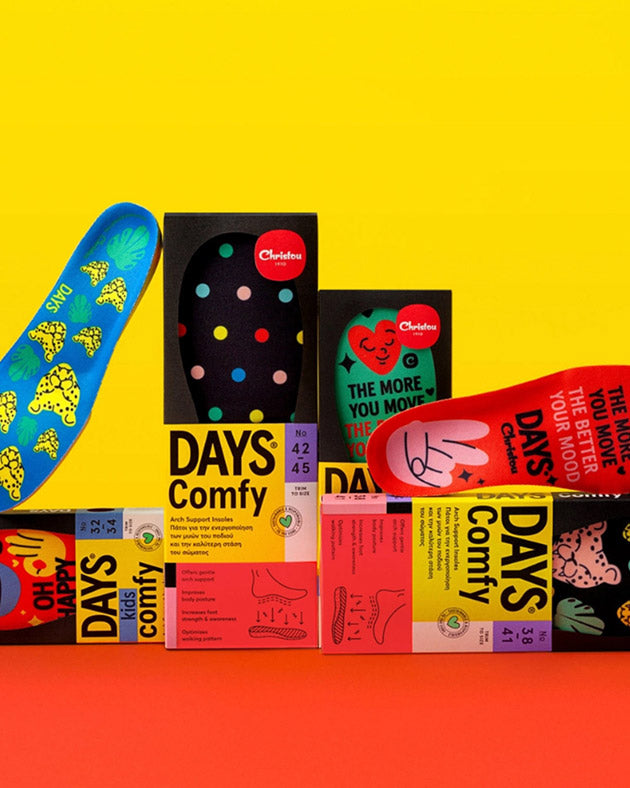
Insoles provide additional support and cushioning for your feet, helping to improve the alignment of your
legs and body.
They can:
● Correct issues such as flat feet or high arches
● Reduce strain on muscles and joints
● Distribute pressure more evenly across the foot
● Improve comfort and reduce fatigue
● Enhance daily and athletic performance
The right pair of insoles helps your whole body move more efficiently.
The best insoles for you depend on your specific needs:
● Foot pain, overpronation, or high arches → Look for insoles with targeted arch support.
● Runners → Choose anatomical insoles designed for shock absorption and stability.
● Plantar fasciitis or specific foot conditions → Consider specialized orthotic options designed for
those issues.
Selecting insoles based on your foot type and activity level ensures better comfort and results.
Insoles can be highly beneficial if you experience:
● Foot discomfort
● Overpronation
● Alignment issues
Quality insoles with arch support and shock absorption can:
● Reduce strain on feet, knees, and lower back
● Help prevent injuries
● Improve comfort during daily activities or sports
However, not everyone needs insoles — they’re most effective when addressing a specific issue.
Yes, insoles can help with knee pain, especially when it’s caused by poor foot alignment (such as
overpronation or flat feet).
By correcting foot positioning and improving arch support, insoles can:
● Reduce stress on the knees
● Improve posture
● Redistribute pressure more evenly
● Potentially relieve pain in the knees, hips, and lower back
Insoles can provide relief for bunions by:
● Redistributing pressure away from the affected area
● Reducing friction
● Adding cushioning
● Supporting better foot alignment
While insoles won’t cure bunions, they can make walking more comfortable and help prevent further
irritation.
Many runners benefit from insoles that offer extra cushioning and stability — especially those with:
● Overpronation
● Plantar fasciitis
● High-impact training routines
Running insoles are designed to:
● Absorb impact
● Support the arches
● Improve overall comfort
● Help reduce injury risk
For best results, choose insoles that fit properly and match your running style.
BRACES & SUPPORTS
Yes, musculoskeletal disorders (MSDs) are very common — especially in the workplace.
They account for approximately 30% of all work-related injuries, affecting millions of workers
each year. These conditions are often caused by:
● Repetitive movements
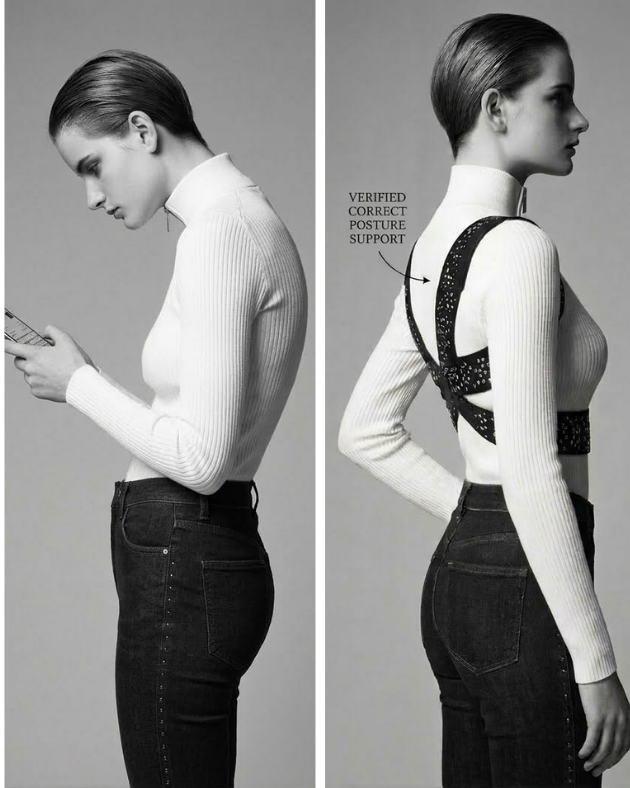
● Poor posture
● Improper lifting techniques
● Poor workplace ergonomics
Yes, MSDs can be serious if left untreated.
They may lead to:
● Chronic pain
● Reduced mobility
● Decreased strength
● Functional limitations
● Negative impact on mental well-being
Early management is important to prevent symptoms from worsening over time.
MSDs are not always permanent, but they can become chronic without proper care.
Early intervention can significantly reduce long-term effects. Treatment options may include:
● Bracing or supports
● Physical therapy
● Exercise and strengthening programs
● Ergonomic adjustments
● Lifestyle modifications
Many MSDs can be prevented with proper habits and workplace practices.
Preventive strategies include:
● Maintaining good posture
● Using ergonomic equipment
● Practicing correct lifting techniques
● Exercising regularly
● Taking breaks during repetitive tasks
● Stretching throughout the day
Prevention plays a key role in reducing the risk of injury.
The musculoskeletal system consists of:
● Bones
● Muscles
● Tendons
● Ligaments
● Other connective tissues
Together, they:
● Provide structure and support
● Enable movement
● Protect vital organs
Muscles contract and pull on bones to create movement, while tendons and ligaments help
stabilize and support joints.
Bracing plays an important role in injury management and recovery.
Braces and supports can:
● Stabilize joints and muscles
● Reduce strain on injured areas
● Prevent further injury
● Promote proper alignment
● Support the healing process
They are especially helpful during recovery, physical activity, or when managing chronic
conditions.
LEGWEAR
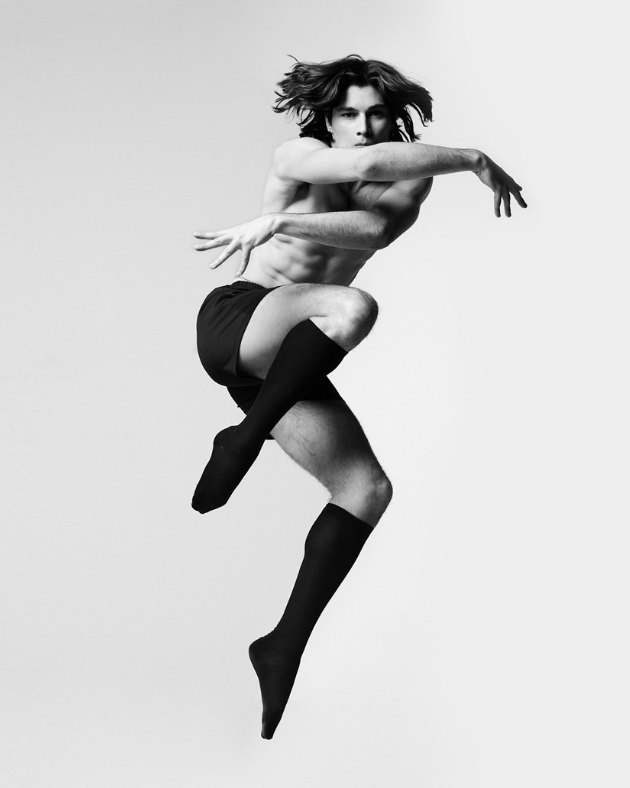
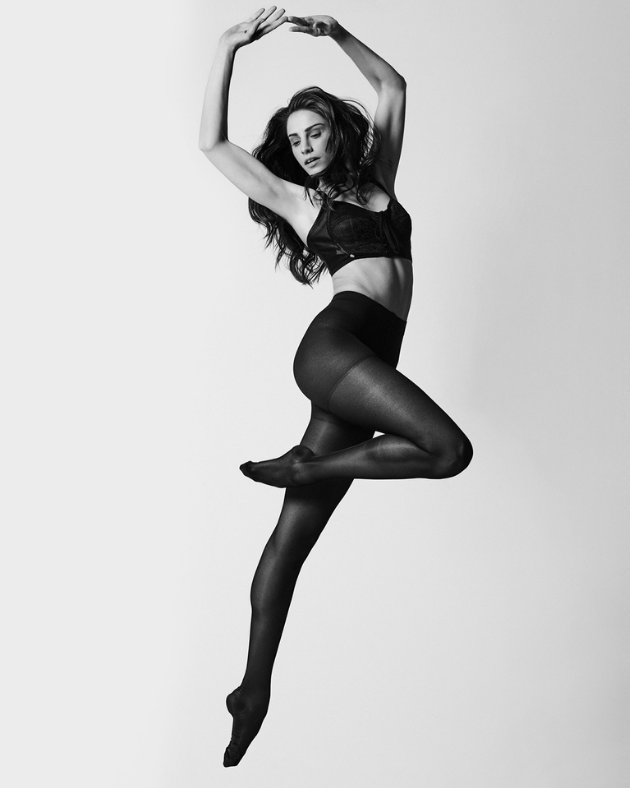
Compression socks are designed to:
● Enhance blood circulation
● Reduce the risk of blood clots
● Prevent swelling in the legs and ankles
● Help manage varicose veins
● Support muscle recovery after exercise
They are commonly used for both medical support and everyday comfort.
Compression socks apply graduated pressure to the legs — tighter at the ankle and gradually
decreasing up the leg.
This helps:
● Assist veins in pushing blood back to the heart
● Reduce blood pooling in the lower legs
● Improve overall circulation
● Decrease swelling
Compression socks may benefit individuals who:
● Stand or sit for long periods
● Travel frequently or take long flights
● Are at risk of deep vein thrombosis (DVT)
● Have varicose veins
● Experience leg or ankle swelling
● Participate in athletic activities
They are useful for both medical needs and lifestyle support.
Yes, compression socks are beneficial for many people.
They can:
● Improve blood flow
● Reduce swelling
● Help prevent DVT
● Decrease leg fatigue
● Support recovery after physical activity
They are especially helpful for people with prolonged sitting or standing routines.
Compression socks may help reduce leg cramps by:
● Improving circulation
● Reducing muscle fatigue
● Supporting muscles during activity
This can help minimize cramping during exercise or long periods of standing.
Yes, compression socks are effective at reducing swelling in the legs and ankles.
They work by:
● Promoting better blood flow
● Preventing fluid buildup in the lower extremities
● Supporting the lymphatic system
Compression socks are generally not recommended at night unless advised by a healthcare
professional.
They are typically worn during the day while active. Removing them at night can help:
● Prevent skin irritation
● Allow the skin to breathe
● Avoid unnecessary pressure during rest
During long flights, sitting for extended periods can increase the risk of deep vein thrombosis
(DVT) and leg swelling.
Compression socks help by:
● Promoting blood circulation
● Reducing fluid retention
● Lowering the risk of blood clots
● Minimizing swelling in the lower legs
They are especially useful for long-haul travel.
Yes, compression socks can be too tight if:
● The size is incorrect
● The compression level is too high
They should feel snug but not painful. Signs they are too tight include:
● Numbness
● Tingling
● Discomfort
● Skin discoloration
Proper sizing is essential to ensure safe and effective use.
No, diabetic socks and compression socks are different.
● Compression socks provide graduated pressure to improve circulation.
● Diabetic socks are designed to reduce irritation and protect sensitive feet.
Diabetic socks usually feature:
● A looser, non-binding fit
● Extra cushioning
● Seamless construction
● Moisture-wicking materials
Diabetic socks help protect the feet by:
● Reducing moisture buildup
● Preventing blisters and friction
● Promoting healthy circulation
● Minimizing pressure points
They are specifically designed to help prevent foot ulcers, infections, and other complications
common in individuals with diabetes.
FOOTCARE
Yes, bunion correctors such as splints and toe separators are generally safe to use.
They can:
● Help temporarily align the toes
● Reduce pressure on the joint
● Provide relief from discomfort
While they don’t permanently fix bunions, they may improve comfort when used consistently
and correctly.
Bunions cannot be fully corrected without surgery.
Non-surgical options can help relieve symptoms, including:
● Wearing wider, supportive shoes
● Using bunion pads or cushions
● Toe separators
● Orthotics
However, surgery is the only definitive method to permanently straighten the toe and remove the
bunion.
Yes, bunions can contribute to knee pain.
Because bunions alter foot alignment and walking mechanics, they can:
● Change posture and gait
● Increase stress on the knees
● Lead to joint discomfort over time
Proper support and alignment may help reduce strain.
Bunions develop when the big toe joint becomes misaligned.
Common causes include:
● Genetic predisposition
● Wearing tight or narrow footwear
● Foot injuries
● Structural foot abnormalities
Over time, this misalignment leads to a noticeable bony bump on the side of the foot.
Bunions typically become painful:
● When wearing tight or narrow shoes
● After long periods of walking or standing
● When the joint becomes inflamed or swollen
● Due to friction and rubbing against footwear
Pain may vary from mild discomfort to persistent soreness.
No, bunions do not go away on their own.
Without treatment, they may gradually worsen. However, symptoms can be managed with:
● Bunion cushions or pads
● Toe separators
● Supportive footwear
● Orthotics
Surgery is required for permanent correction.
Metatarsal pain (pain in the ball of the foot) often results from excessive pressure on the front of
the foot.
Common causes include:
● Improper footwear
● Bunions or other deformities
● High-impact activities
● Arthritis
● Structural imbalances
Reducing pressure and improving support can help relieve discomfort.
Hammer toes develop due to an imbalance in the muscles, tendons, or ligaments that keep the
toe straight.
Contributing factors include:
● Tight or ill-fitting shoes
● Foot injuries
● Genetic predisposition
● Muscle imbalances
Over time, the toe bends abnormally at the middle joint.
In early stages, hammer toes can often be managed without surgery.
Non-surgical treatments include:
● Hammer toe cushions
● Stretching exercises
● Toe strengthening exercises
● Wearing properly fitting footwear
Severe or rigid cases may require surgical correction to restore proper alignment.


