





Scientific Aromatherapy: Discover the secrets of the world's oldest therapy!
[quote]A small drop, a small application, such a small act, can and indeed does make a difference.[/quote]
[caption id="attachment_4975" align="aligncenter" width="371"]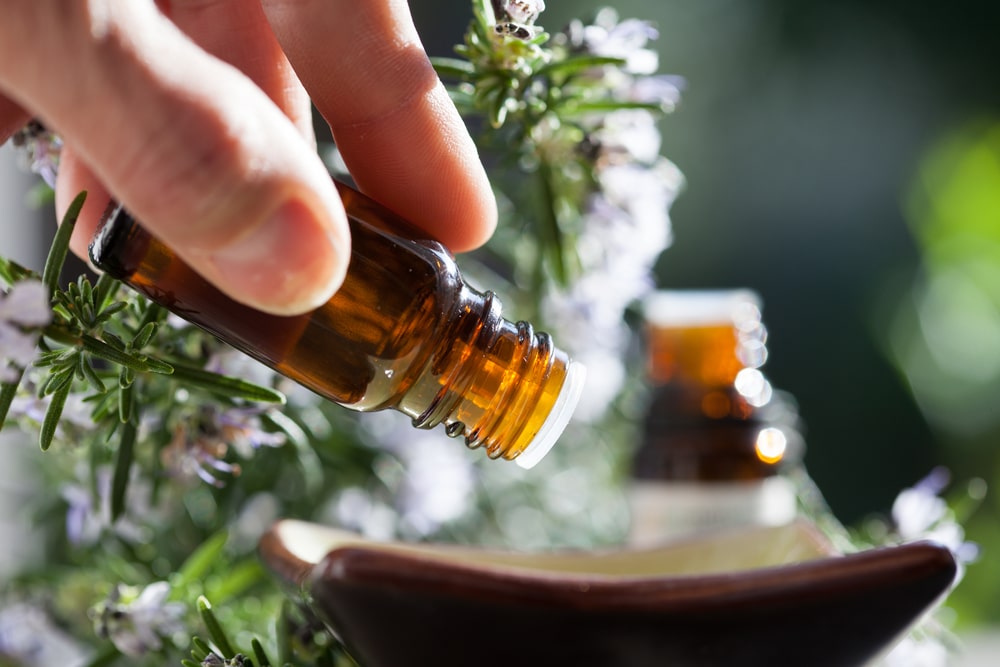 image credits: pinterest.com[/caption]
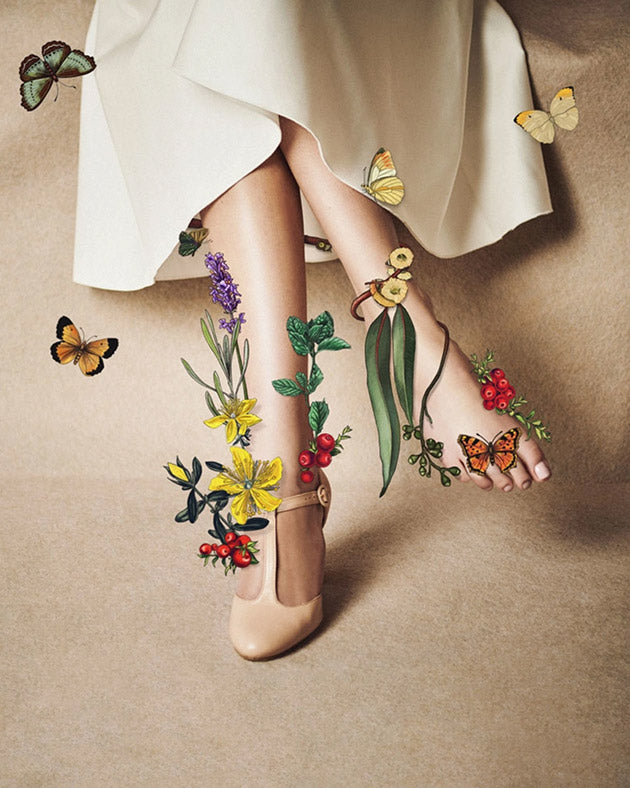
When we hear the word aromatherapy, we usually think of a treatment with essential oils that exude unique aromas and give our body a pleasant fresh and invigorating scent. However, scientific aromatherapy is much more!
Scientific aromatherapy is the specialized study of herbs found in nature and their therapeutic properties, and their controlled use to combat specific ailments, both mental and physical.
[big]Essential oils are the most advanced and powerful extracts of the plant kingdom and are found in aromatic plants. They are called essential because their aromas and their therapeutic molecules are volatile, meaning they evaporate into the atmosphere around us faster than vegetable oils, such as olive oil, which is a product of fruit pressing, but they are equally beneficial. [/big]
[caption id="attachment_4983" align="aligncenter" width="532"]
image credits: pinterest.com[/caption]
When we hear the word aromatherapy, we usually think of a treatment with essential oils that exude unique aromas and give our body a pleasant fresh and invigorating scent. However, scientific aromatherapy is much more!
Scientific aromatherapy is the specialized study of herbs found in nature and their therapeutic properties, and their controlled use to combat specific ailments, both mental and physical.
[big]Essential oils are the most advanced and powerful extracts of the plant kingdom and are found in aromatic plants. They are called essential because their aromas and their therapeutic molecules are volatile, meaning they evaporate into the atmosphere around us faster than vegetable oils, such as olive oil, which is a product of fruit pressing, but they are equally beneficial. [/big]
[caption id="attachment_4983" align="aligncenter" width="532"]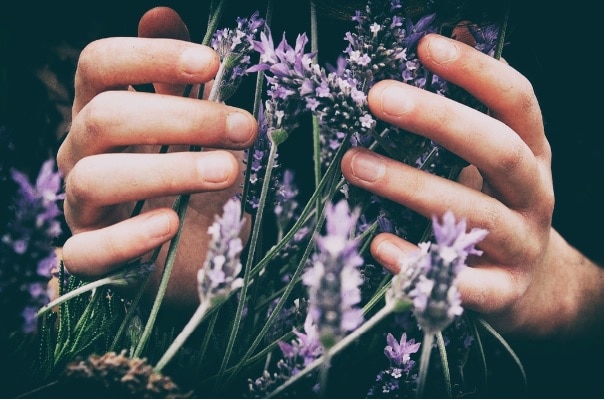 image credits: unsplash.com[/caption]
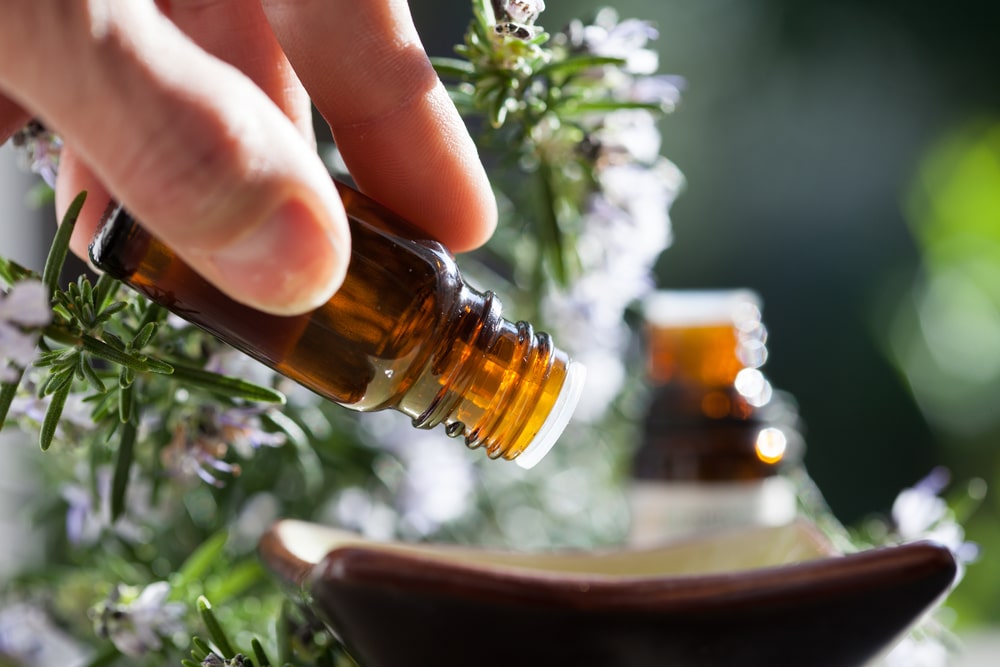
Often, essential oils can only be found in a specific part of a plant, such as the flowers of roses. The oils are isolated through the distillation process from aromatic flowers, as well as from leaves, fruits, stems, seeds, barks, woods, peels, and berries.
[caption id="attachment_5054" align="aligncenter" width="434"]
image credits: unsplash.com[/caption]
Often, essential oils can only be found in a specific part of a plant, such as the flowers of roses. The oils are isolated through the distillation process from aromatic flowers, as well as from leaves, fruits, stems, seeds, barks, woods, peels, and berries.
[caption id="attachment_5054" align="aligncenter" width="434"] image credits: unsplash.com[/caption]
[caption id="attachment_5056" align="aligncenter" width="404"]
image credits: unsplash.com[/caption]
[caption id="attachment_5056" align="aligncenter" width="404"]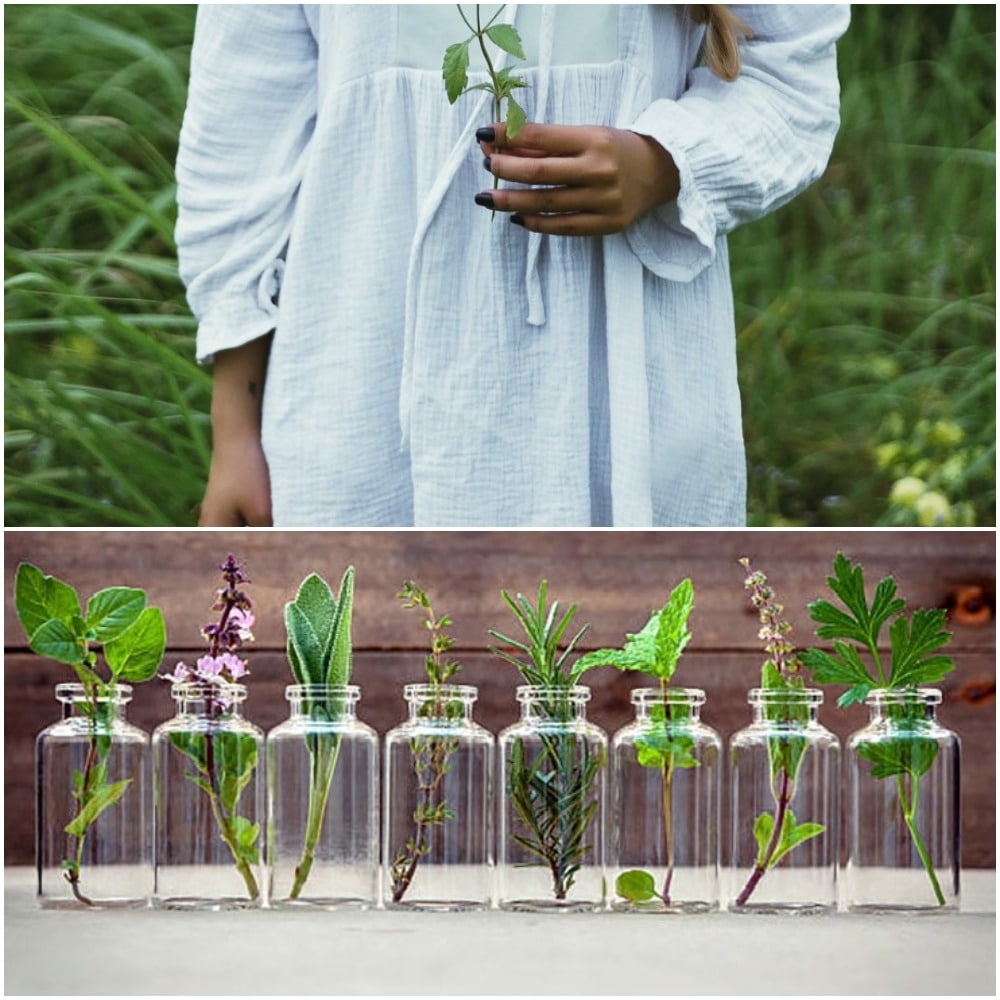 image credits: unsplash.com[/caption]
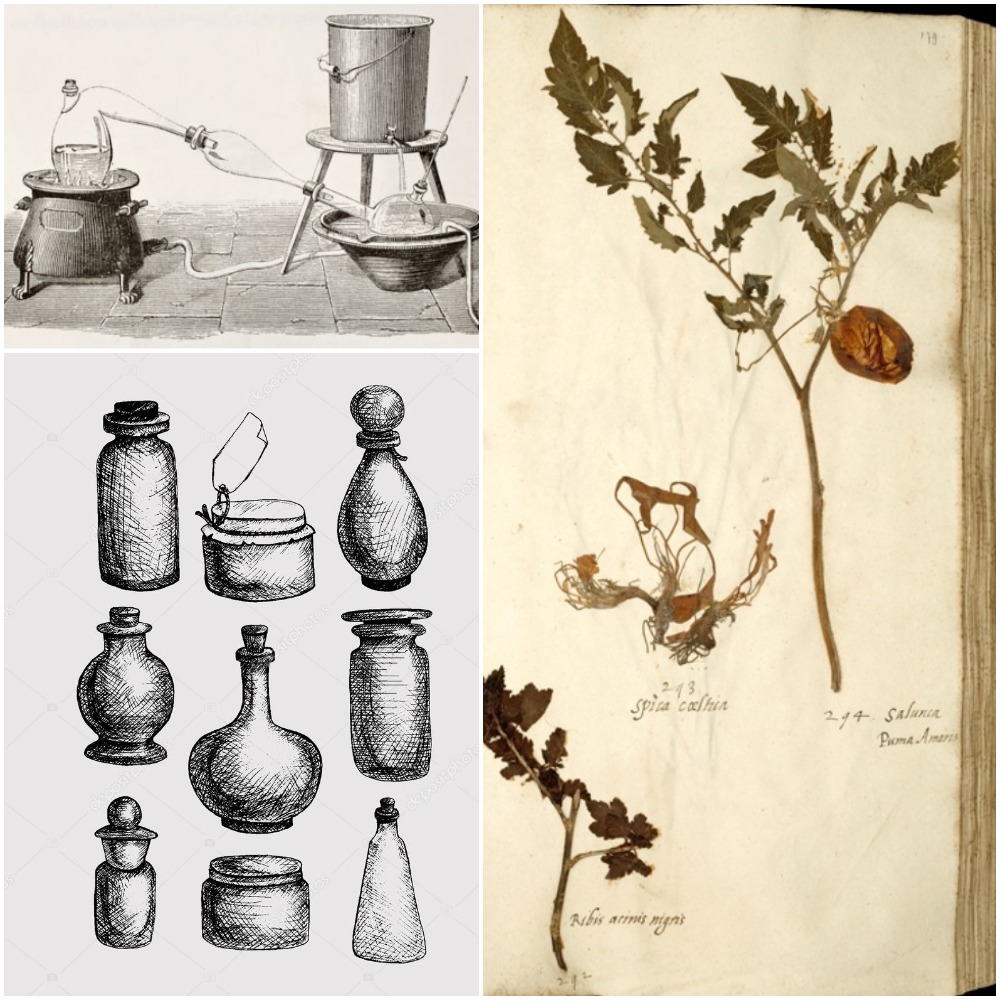 image credits: google images[/caption]
Aromatherapy, the use of herbs and aromatic flowers found in nature for the relief and healing of patients, is knowledge that comes from the depths of centuries, reaching its most developed form today.
As physician Nikos Christidis recounts in his retrospective on the evolution of aromatherapy, 40,000 years ago the Aborigines of Australia, the oldest civilization in the world, survived difficult conditions by exploring the environment and developing their knowledge of indigenous flora, already using the leaves and oil of the well-known tea tree (Melaleuca alternifolia).
[caption id="attachment_4989" align="aligncenter" width="407"]
image credits: google images[/caption]
Aromatherapy, the use of herbs and aromatic flowers found in nature for the relief and healing of patients, is knowledge that comes from the depths of centuries, reaching its most developed form today.
As physician Nikos Christidis recounts in his retrospective on the evolution of aromatherapy, 40,000 years ago the Aborigines of Australia, the oldest civilization in the world, survived difficult conditions by exploring the environment and developing their knowledge of indigenous flora, already using the leaves and oil of the well-known tea tree (Melaleuca alternifolia).
[caption id="attachment_4989" align="aligncenter" width="407"]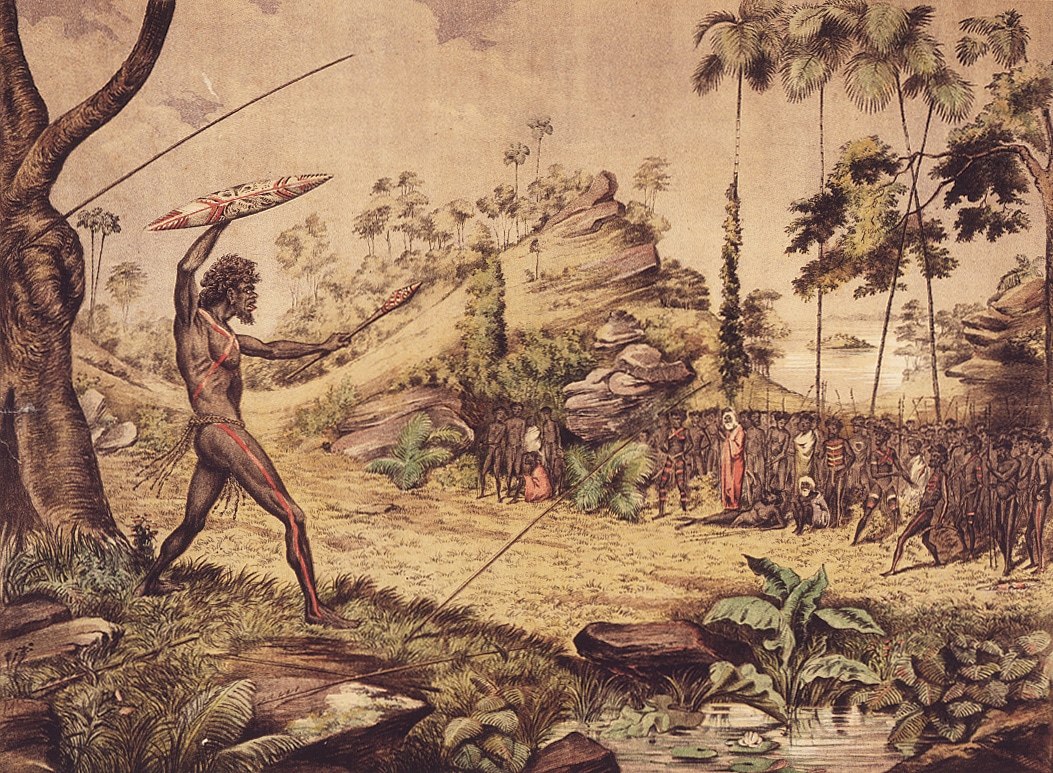 Aborigines image credits: pinterest.com[/caption]
The three great geographical zones in which the study and application of therapeutic plant aromas developed are China, India, and the Mediterranean basin. India is the homeland of basil, which was considered a sacred plant, while ancient Rishis prophets recommended aromatic plants for body and soul treatments. In fact, in the Sacred Texts (such as the Rig Veda) in India 3,000 years ago, numerous aromatic plants and their properties were recorded.
In Mesopotamia, a 4,000-year-old inscription mentions the use of oils in combating epidemics, while in China 4,500 years ago, Shennong wrote the oldest manual of herbal medicine, recording valuable aromatic oils and mentioning their topical use for massage.
[caption id="attachment_4991" align="aligncenter" width="315"]
Aborigines image credits: pinterest.com[/caption]
The three great geographical zones in which the study and application of therapeutic plant aromas developed are China, India, and the Mediterranean basin. India is the homeland of basil, which was considered a sacred plant, while ancient Rishis prophets recommended aromatic plants for body and soul treatments. In fact, in the Sacred Texts (such as the Rig Veda) in India 3,000 years ago, numerous aromatic plants and their properties were recorded.
In Mesopotamia, a 4,000-year-old inscription mentions the use of oils in combating epidemics, while in China 4,500 years ago, Shennong wrote the oldest manual of herbal medicine, recording valuable aromatic oils and mentioning their topical use for massage.
[caption id="attachment_4991" align="aligncenter" width="315"]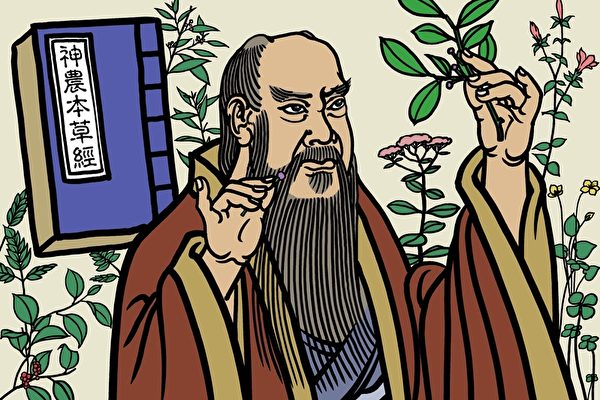 Shennong[/caption]
In Egypt, between 2,000 and 3,000 BC, a rudimentary method of distillation developed, using aromatic oils such as Juniper (Juniperus Communis) and cinnamon (Cinnamomum zeylanicum) for impregnation, topical ointments, and medicinal wines to treat diseases, as well as for religious ceremonies and even the mummification method, with the impregnation of a mixture of 60 aromatic plants.
[caption id="attachment_4993" align="aligncenter" width="472"]
Shennong[/caption]
In Egypt, between 2,000 and 3,000 BC, a rudimentary method of distillation developed, using aromatic oils such as Juniper (Juniperus Communis) and cinnamon (Cinnamomum zeylanicum) for impregnation, topical ointments, and medicinal wines to treat diseases, as well as for religious ceremonies and even the mummification method, with the impregnation of a mixture of 60 aromatic plants.
[caption id="attachment_4993" align="aligncenter" width="472"]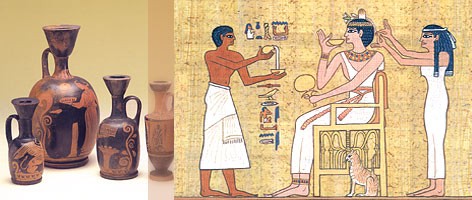 Essential oil preparations in Egypt image credits: quintessence.com[/caption]
The inventors of true distillation in 1000 BC were the Persians, and more specifically Avicenna (980-1037), also known as the "prince of physicians." Avicenna produced the first pure essential oil from the hundred-petaled rose (Rosa centifolia). His contribution is very significant as he wrote over 100 medical treatises, including the "Canon of Medicine," which contains an extensive reference to therapeutic aromatic oils.
[caption id="attachment_4995" align="aligncenter" width="214"]
Essential oil preparations in Egypt image credits: quintessence.com[/caption]
The inventors of true distillation in 1000 BC were the Persians, and more specifically Avicenna (980-1037), also known as the "prince of physicians." Avicenna produced the first pure essential oil from the hundred-petaled rose (Rosa centifolia). His contribution is very significant as he wrote over 100 medical treatises, including the "Canon of Medicine," which contains an extensive reference to therapeutic aromatic oils.
[caption id="attachment_4995" align="aligncenter" width="214"]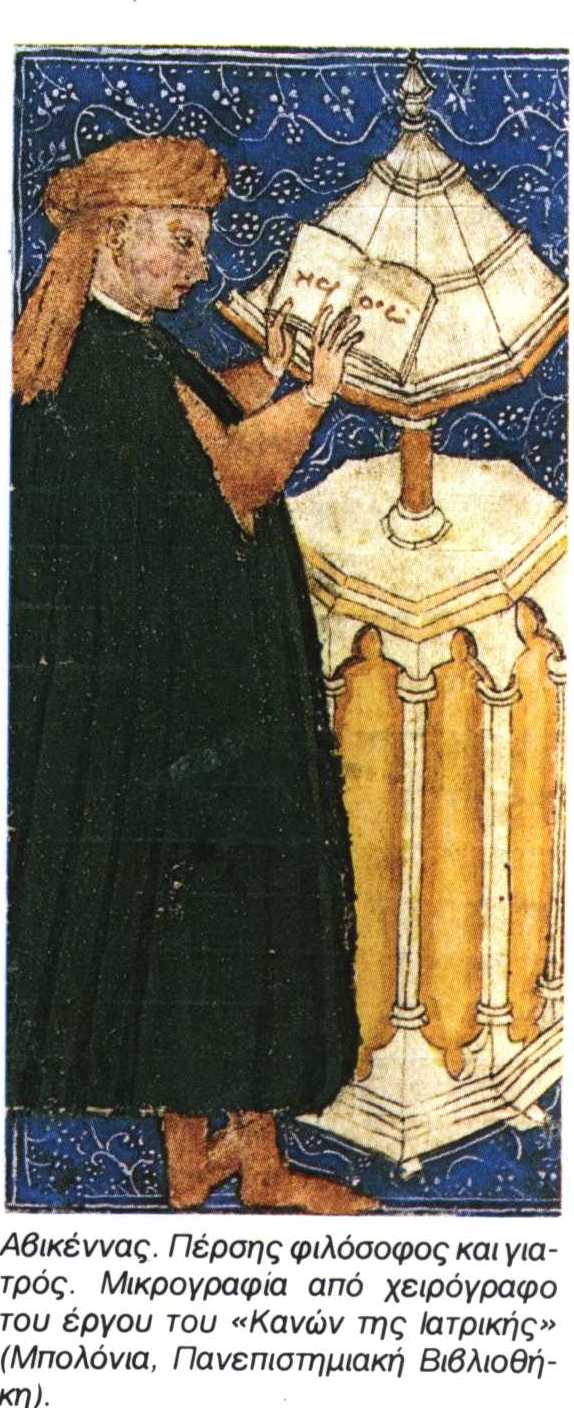 Avicenna[/caption]
In ancient Greece, the "father of Medicine" Hippocrates treated the great plague in Athens by burning lavender, rosemary, hyssop, savory, and many other aromatic plants, while in his book "Aphorisms," he recommended aromatic baths for combating women's diseases. In the 1st century AD, Dioscorides wrote a book on herbal medicine, collecting all aromatic plants and their contribution to ailments, with the Romans renaming it "De Materia Medica," keeping it as a reference point for Western medicine for more than 1000 years!
[caption id="attachment_4997" align="aligncenter" width="220"]
Avicenna[/caption]
In ancient Greece, the "father of Medicine" Hippocrates treated the great plague in Athens by burning lavender, rosemary, hyssop, savory, and many other aromatic plants, while in his book "Aphorisms," he recommended aromatic baths for combating women's diseases. In the 1st century AD, Dioscorides wrote a book on herbal medicine, collecting all aromatic plants and their contribution to ailments, with the Romans renaming it "De Materia Medica," keeping it as a reference point for Western medicine for more than 1000 years!
[caption id="attachment_4997" align="aligncenter" width="220"]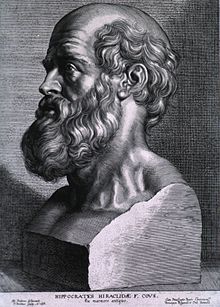 Hippocrates[/caption]
[caption id="attachment_4999" align="aligncenter" width="239"]
Hippocrates[/caption]
[caption id="attachment_4999" align="aligncenter" width="239"]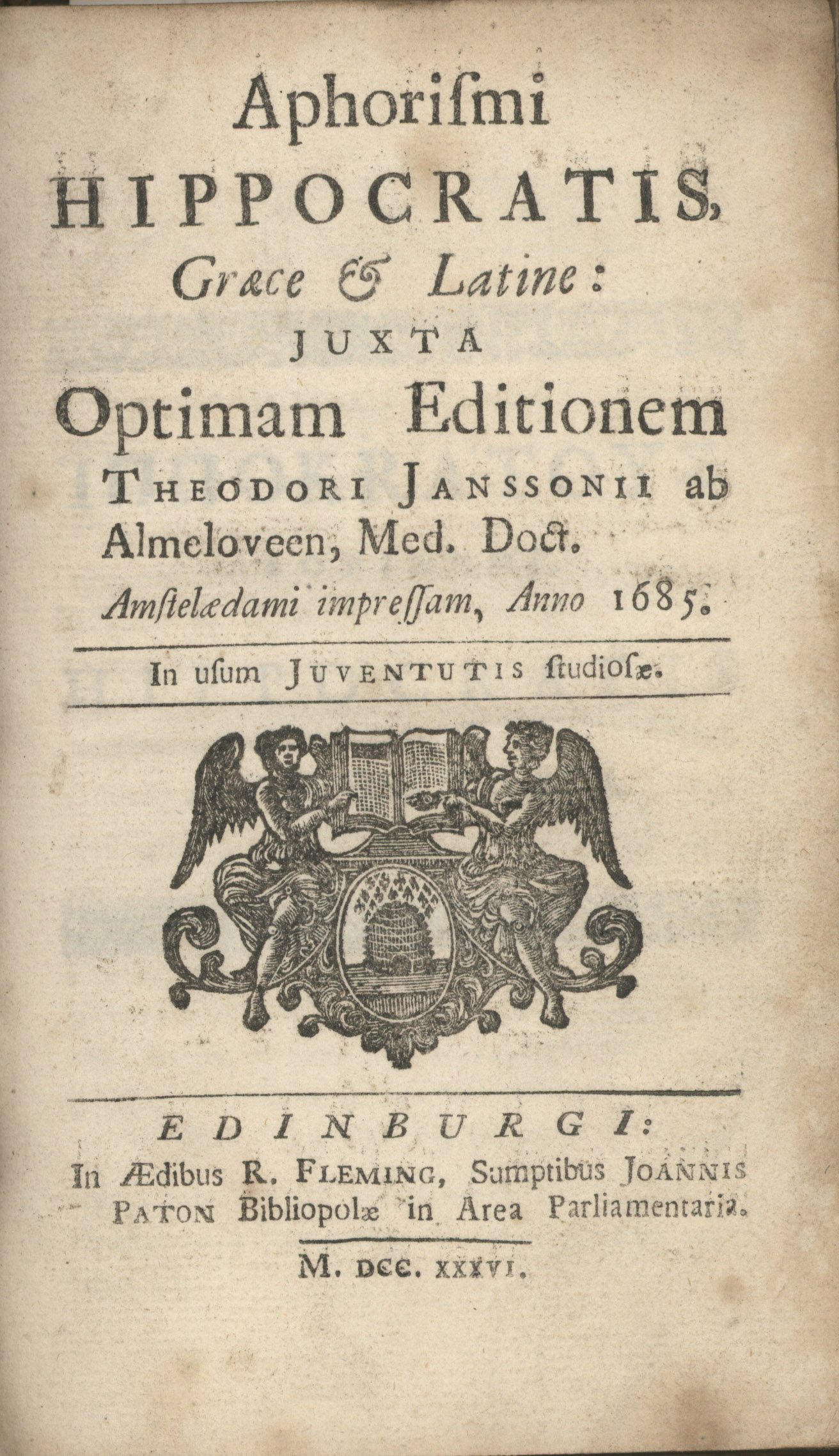 Hippocrates' Aphorisms[/caption]
[caption id="attachment_5001" align="aligncenter" width="268"]
Hippocrates' Aphorisms[/caption]
[caption id="attachment_5001" align="aligncenter" width="268"]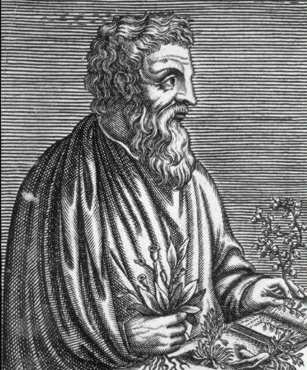 Dioscorides[/caption]
In the Middle Ages, the widespread use of spices and aromatic extracts in the West was due, in large part, to the Crusades, as crusaders brought the art of distillation from the Arab world. In fact, 15th-century pharmacists were called aromaterii, giving us an idea of the important position aromatic plants and extracts held in the medicine of the time.
[caption id="attachment_5003" align="aligncenter" width="322"]
Dioscorides[/caption]
In the Middle Ages, the widespread use of spices and aromatic extracts in the West was due, in large part, to the Crusades, as crusaders brought the art of distillation from the Arab world. In fact, 15th-century pharmacists were called aromaterii, giving us an idea of the important position aromatic plants and extracts held in the medicine of the time.
[caption id="attachment_5003" align="aligncenter" width="322"]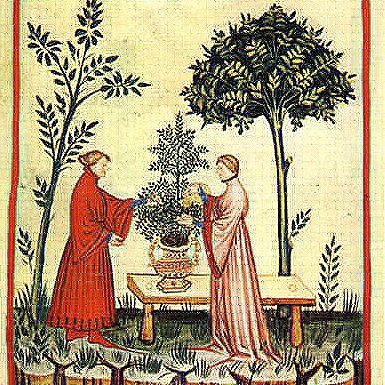 Aromatherapy in the Middle Ages[/caption]
With the advent of industrial civilization and complex chemical drugs, this knowledge was marginalized, but increasingly we seek and turn to the wisdom of nature to improve our quality of life and our physical well-being.
Today, their beneficial ingredients are isolated mainly by steam distillation of the aromatic components of the plant. Their composition is rich and complex with different properties and effects on the body.
Aromatherapy in the Middle Ages[/caption]
With the advent of industrial civilization and complex chemical drugs, this knowledge was marginalized, but increasingly we seek and turn to the wisdom of nature to improve our quality of life and our physical well-being.
Today, their beneficial ingredients are isolated mainly by steam distillation of the aromatic components of the plant. Their composition is rich and complex with different properties and effects on the body.
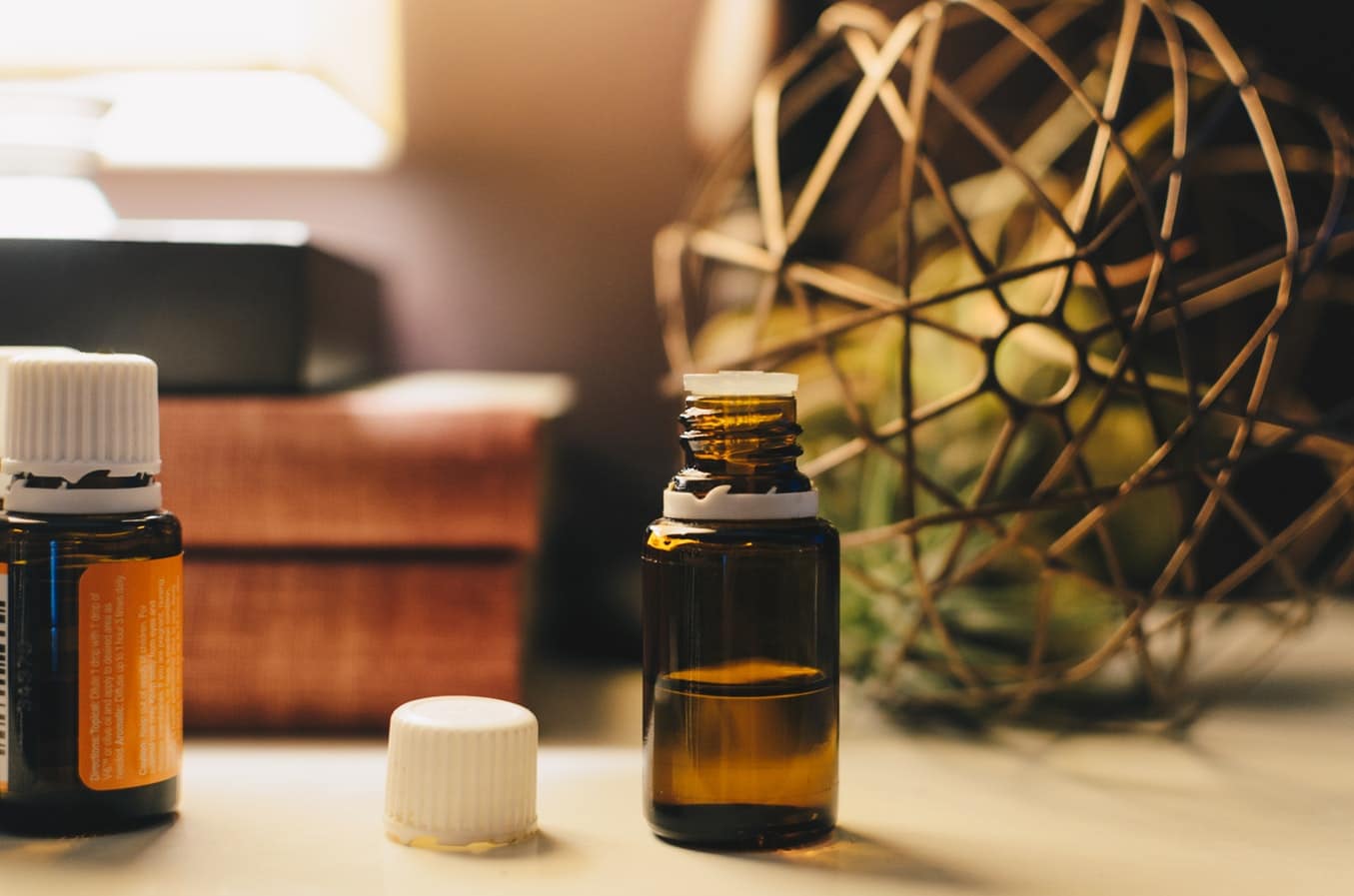 image credits: unsplash.com[/caption]
The use of the science of aromatherapy in modern medicine is equally important not only as a natural alternative method but also for a truly holistic approach to treating ailments and is particularly related to the sense of smell and the often unknown processes of the human brain.
As Raphael d’Angelo, a holistic physician and researcher specializing in microbiology, eloquently explained in the geriatric journal Today's Geriatric Medicine:
[caption id="attachment_5016" align="aligncenter" width="134"]
image credits: unsplash.com[/caption]
The use of the science of aromatherapy in modern medicine is equally important not only as a natural alternative method but also for a truly holistic approach to treating ailments and is particularly related to the sense of smell and the often unknown processes of the human brain.
As Raphael d’Angelo, a holistic physician and researcher specializing in microbiology, eloquently explained in the geriatric journal Today's Geriatric Medicine:
[caption id="attachment_5016" align="aligncenter" width="134"] Raphael D'Angelo[/caption]
[big]"Although the sense of smell tends to decline as we age, the essential oils of aromatic plants can have a profound impact on patients. For example, a particular scent has the power to recall memories of events and emotions locked within us for many years. Their effect on the limbic system of the brain, which is associated with emotions, can easily be used positively to suppress anxiety and insomnia, increase appetite, and provide a general sense of inner calm."[/big]
[caption id="attachment_5013" align="aligncenter" width="476"]
Raphael D'Angelo[/caption]
[big]"Although the sense of smell tends to decline as we age, the essential oils of aromatic plants can have a profound impact on patients. For example, a particular scent has the power to recall memories of events and emotions locked within us for many years. Their effect on the limbic system of the brain, which is associated with emotions, can easily be used positively to suppress anxiety and insomnia, increase appetite, and provide a general sense of inner calm."[/big]
[caption id="attachment_5013" align="aligncenter" width="476"]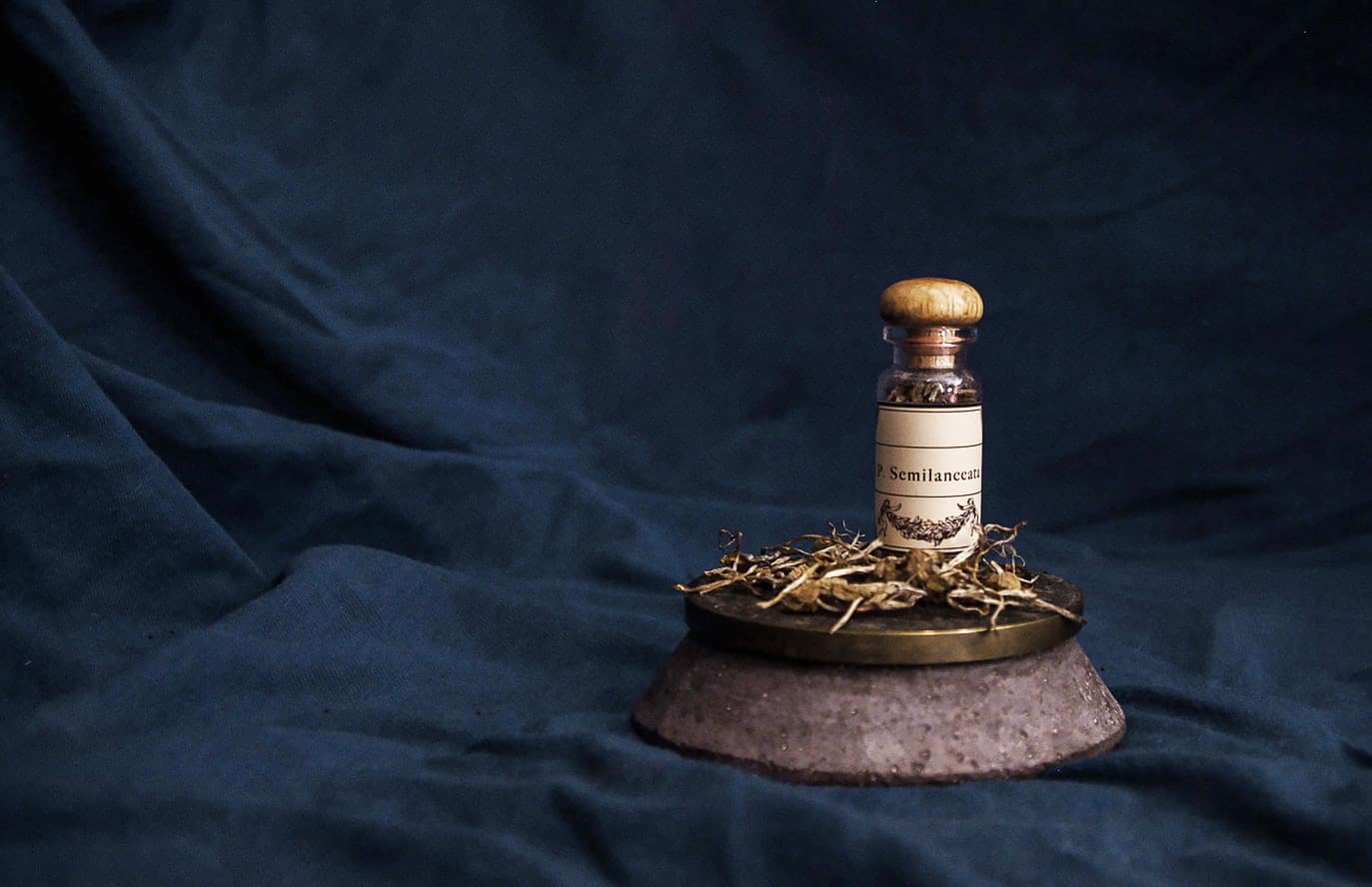 image credits: unsplash.com[/caption]
[caption id="attachment_5052" align="aligncenter" width="479"]
image credits: unsplash.com[/caption]
[caption id="attachment_5052" align="aligncenter" width="479"]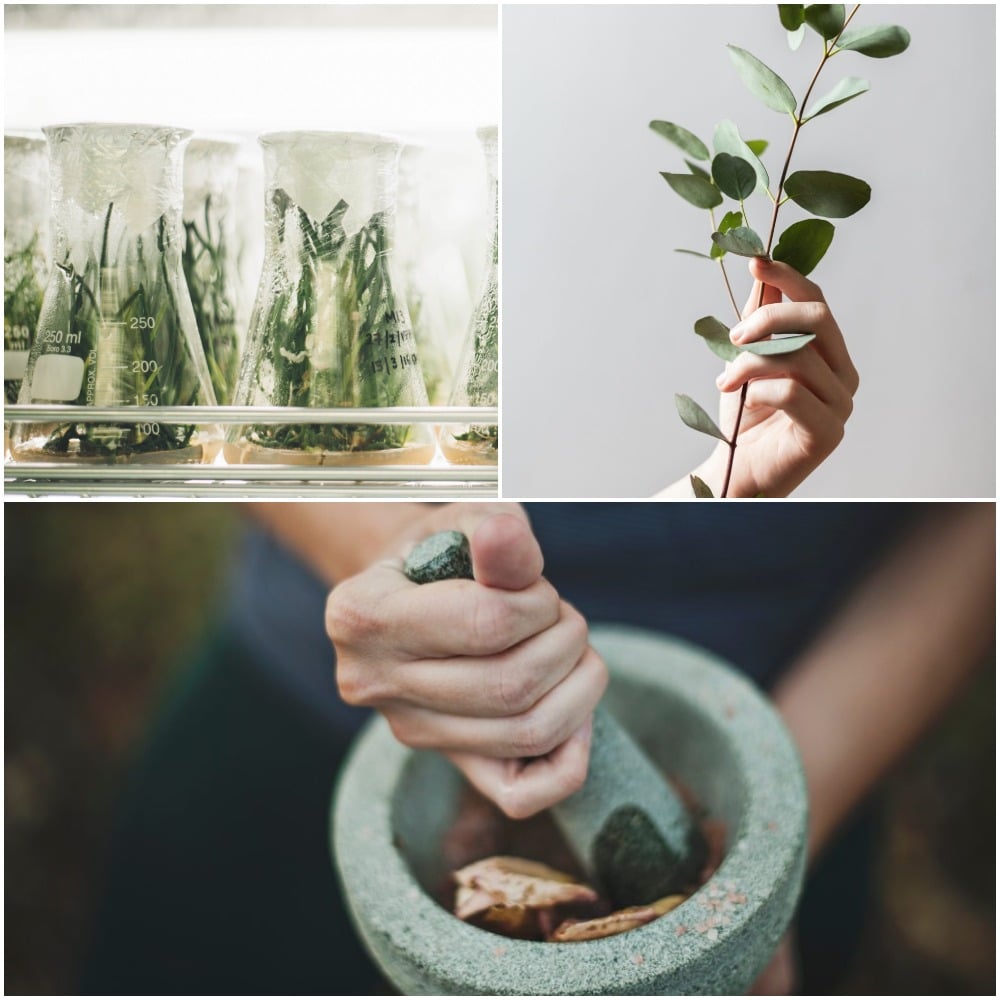 image credits: unsplash.com[/caption]
In Greece, its use may not yet be so widespread, but abroad it coexists harmoniously and complements Conventional Medicine, as we said.
In America, for example, it is supported by organizations such as the Alliance of International Aromatherapists and the National Association for Holistic Aromatherapy and is integrated into hospital units with specialized staff who apply the appropriate therapies.
The diffusion of therapeutic oils is released into the patient's body in two ways:
image credits: unsplash.com[/caption]
In Greece, its use may not yet be so widespread, but abroad it coexists harmoniously and complements Conventional Medicine, as we said.
In America, for example, it is supported by organizations such as the Alliance of International Aromatherapists and the National Association for Holistic Aromatherapy and is integrated into hospital units with specialized staff who apply the appropriate therapies.
The diffusion of therapeutic oils is released into the patient's body in two ways:
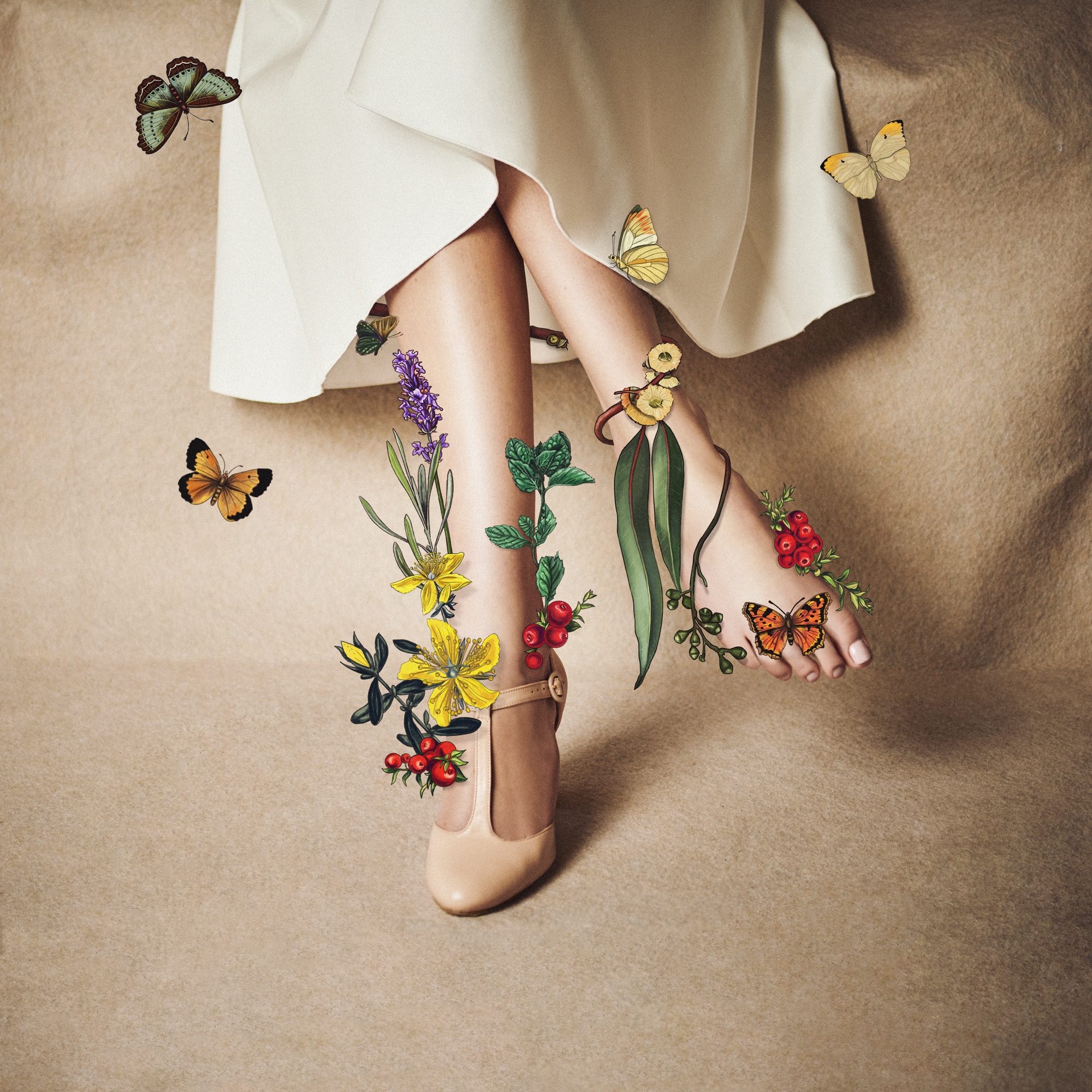 Aromatherapy combines both art and science, requiring a delicate balance of technique, just like conventional medicine. It involves the study of the chemistry of oils, which hold distinct therapeutic properties.
Each essential oil is highly concentrated but used in small quantities, like a small miraculous touch! What is particularly interesting is that the same essential oil can simultaneously be relaxing, soothe pain, help with peaceful sleep, or even prevent the spread of an infection in the body, thus enriching modern therapeutic approaches with its unique contribution.
With this primary thought of "the miraculous touch of nature," Christou1910 decided to delve deeper into this knowledge and, in collaboration with experienced botanists and the research team of the Chemistry Department of the University of Thessaloniki, to introduce the innovation of impregnating its toe products with 100% organic medical-grade essential oils.
The culture of Christou1910 is based on addressing health problems in the most natural way and unleashing the power hidden in our bodies with proper organic care. For this reason, it included the science of aromatherapy in its know-how, aiming to empower the human step with the wisdom of nature and anatomy.
Thus, each unique, therapeutic blend, formulated according to the specificity of each condition, contains 100% pure, natural essential oils from certified controlled cultivations suitable for medical aromatherapy, with scientific validity and certification from the International Organization for Control and Certification ECOCERT, USDA, as well as from the rich Greek flora of Mount Parnonas, such as balsam and genuine Serres lavender.
Aromatherapy combines both art and science, requiring a delicate balance of technique, just like conventional medicine. It involves the study of the chemistry of oils, which hold distinct therapeutic properties.
Each essential oil is highly concentrated but used in small quantities, like a small miraculous touch! What is particularly interesting is that the same essential oil can simultaneously be relaxing, soothe pain, help with peaceful sleep, or even prevent the spread of an infection in the body, thus enriching modern therapeutic approaches with its unique contribution.
With this primary thought of "the miraculous touch of nature," Christou1910 decided to delve deeper into this knowledge and, in collaboration with experienced botanists and the research team of the Chemistry Department of the University of Thessaloniki, to introduce the innovation of impregnating its toe products with 100% organic medical-grade essential oils.
The culture of Christou1910 is based on addressing health problems in the most natural way and unleashing the power hidden in our bodies with proper organic care. For this reason, it included the science of aromatherapy in its know-how, aiming to empower the human step with the wisdom of nature and anatomy.
Thus, each unique, therapeutic blend, formulated according to the specificity of each condition, contains 100% pure, natural essential oils from certified controlled cultivations suitable for medical aromatherapy, with scientific validity and certification from the International Organization for Control and Certification ECOCERT, USDA, as well as from the rich Greek flora of Mount Parnonas, such as balsam and genuine Serres lavender.

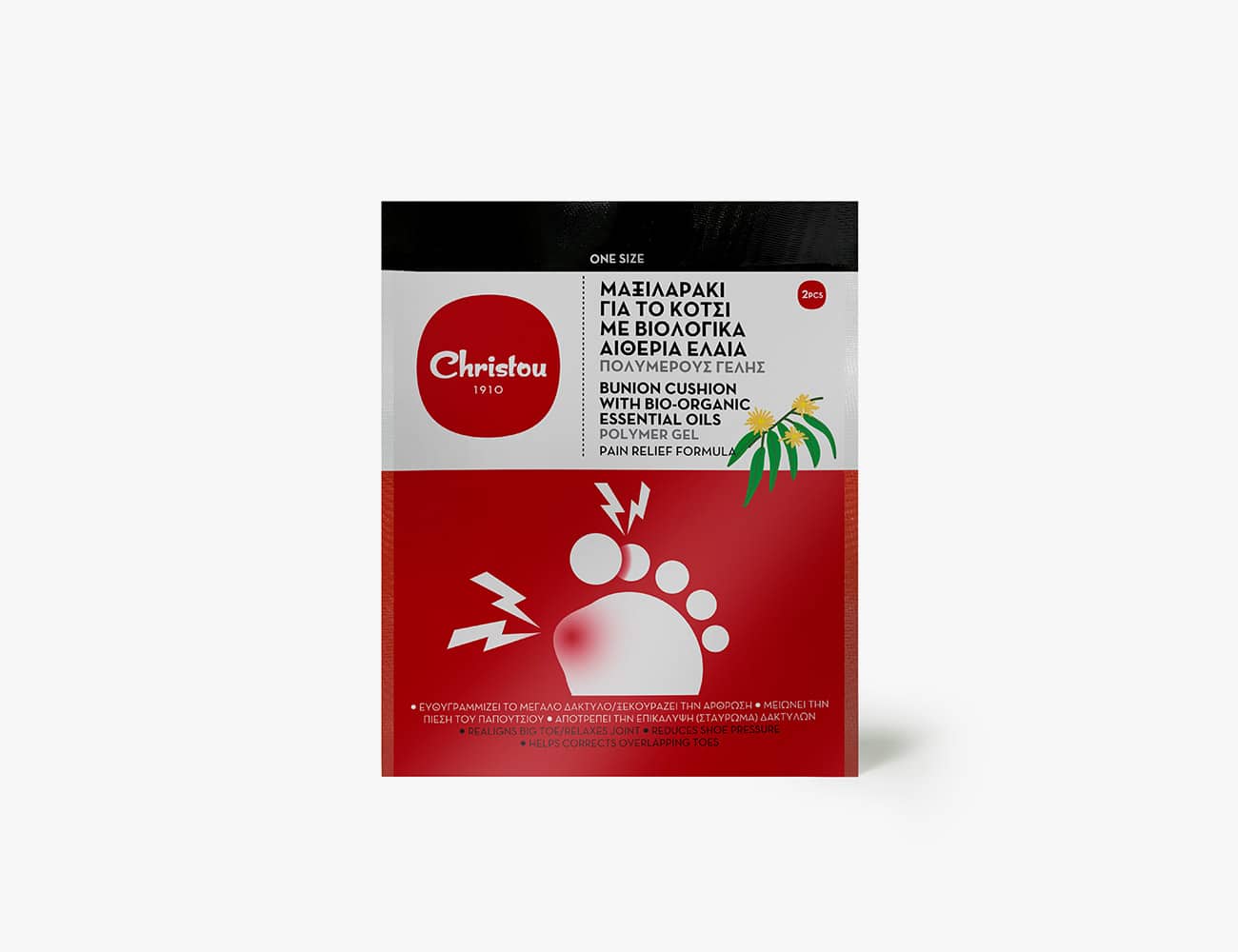 The selected oils have been infused into a polymer gel and, with application and pressure, release all their beneficial substances to the injured and sensitive areas of the body, especially the sole, offering not only local healing but also small doses of inner peace and balance.
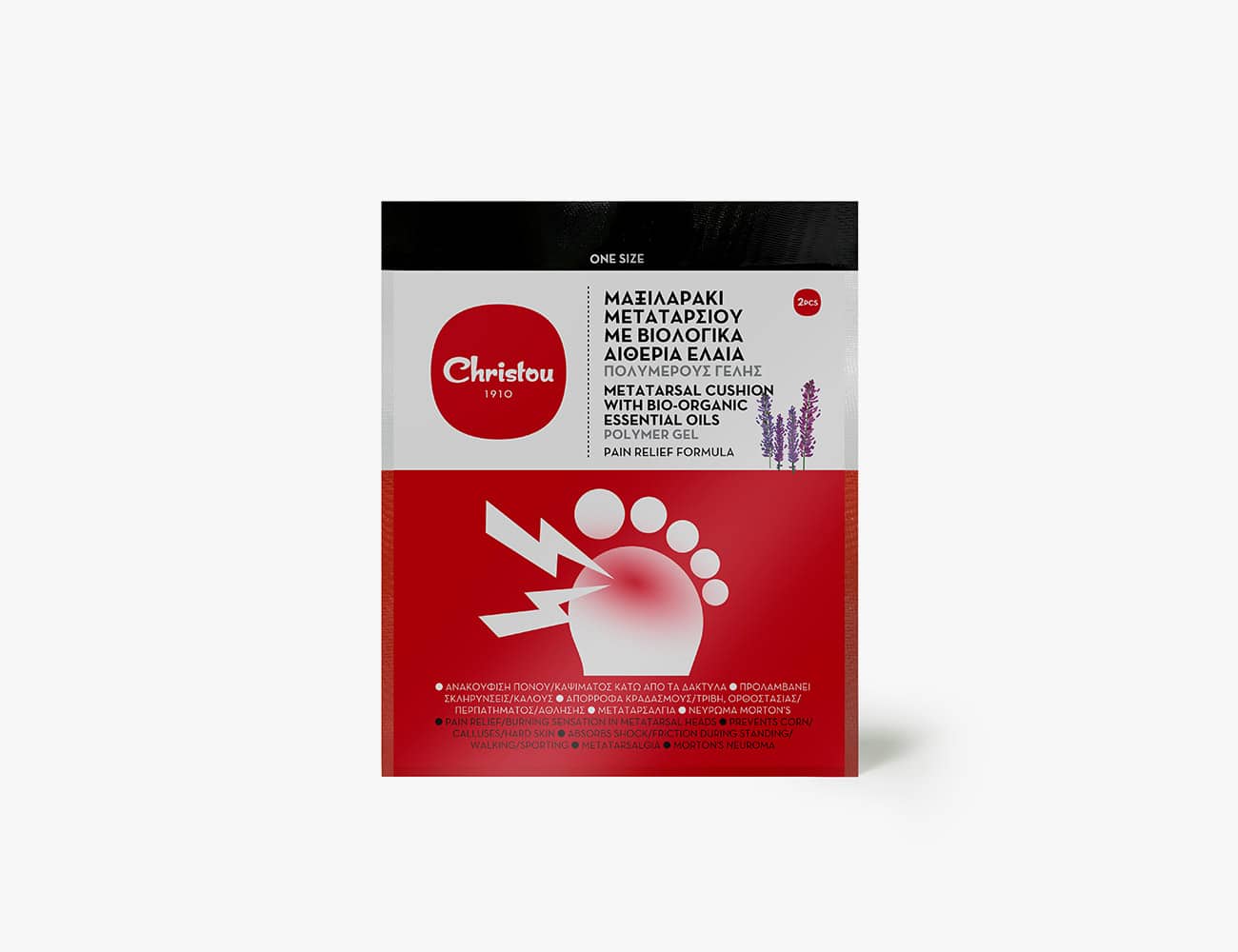
Balsam, wintergreen, lemon eucalyptus, juniper, lavender, green (illite) and white (kaolinite) clay in the bunion cushion and the metatarsal cushion act as relaxants, soothing inflammation by absorbing toxins, functioning as the most powerful painkiller, naturally healing wounds and stimulating circulation.
The selected oils have been infused into a polymer gel and, with application and pressure, release all their beneficial substances to the injured and sensitive areas of the body, especially the sole, offering not only local healing but also small doses of inner peace and balance.
Balsam, wintergreen, lemon eucalyptus, juniper, lavender, green (illite) and white (kaolinite) clay in the bunion cushion and the metatarsal cushion act as relaxants, soothing inflammation by absorbing toxins, functioning as the most powerful painkiller, naturally healing wounds and stimulating circulation.
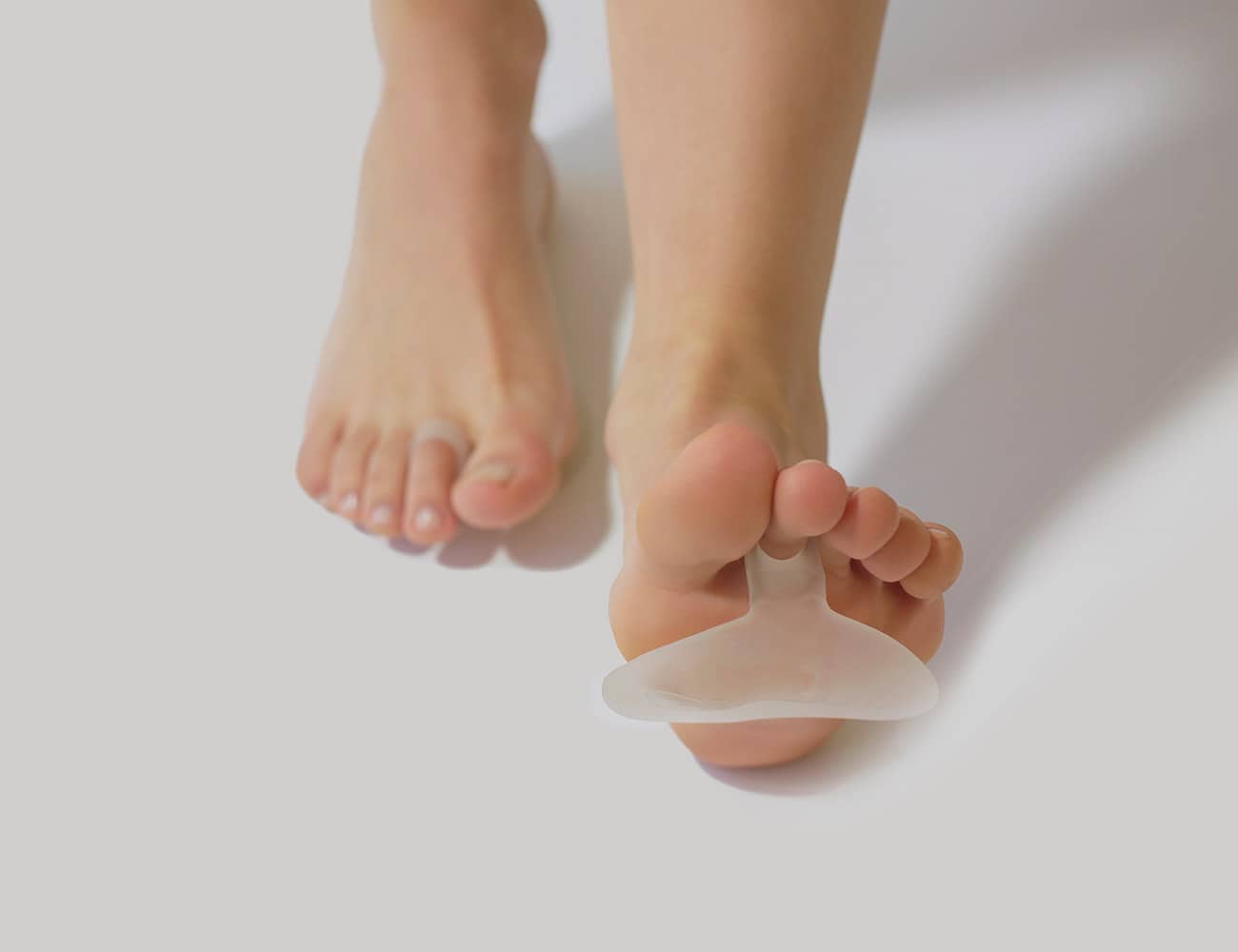
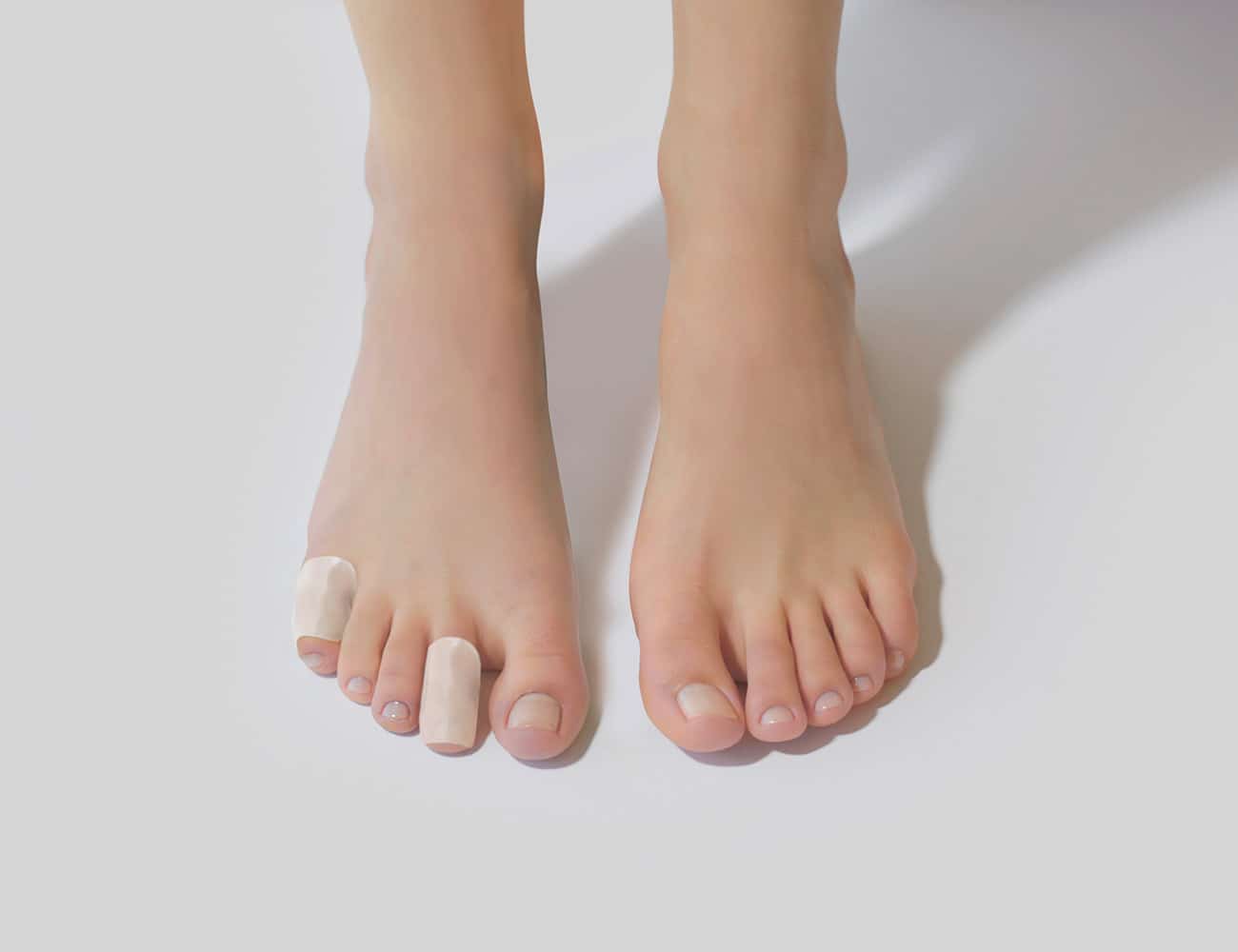
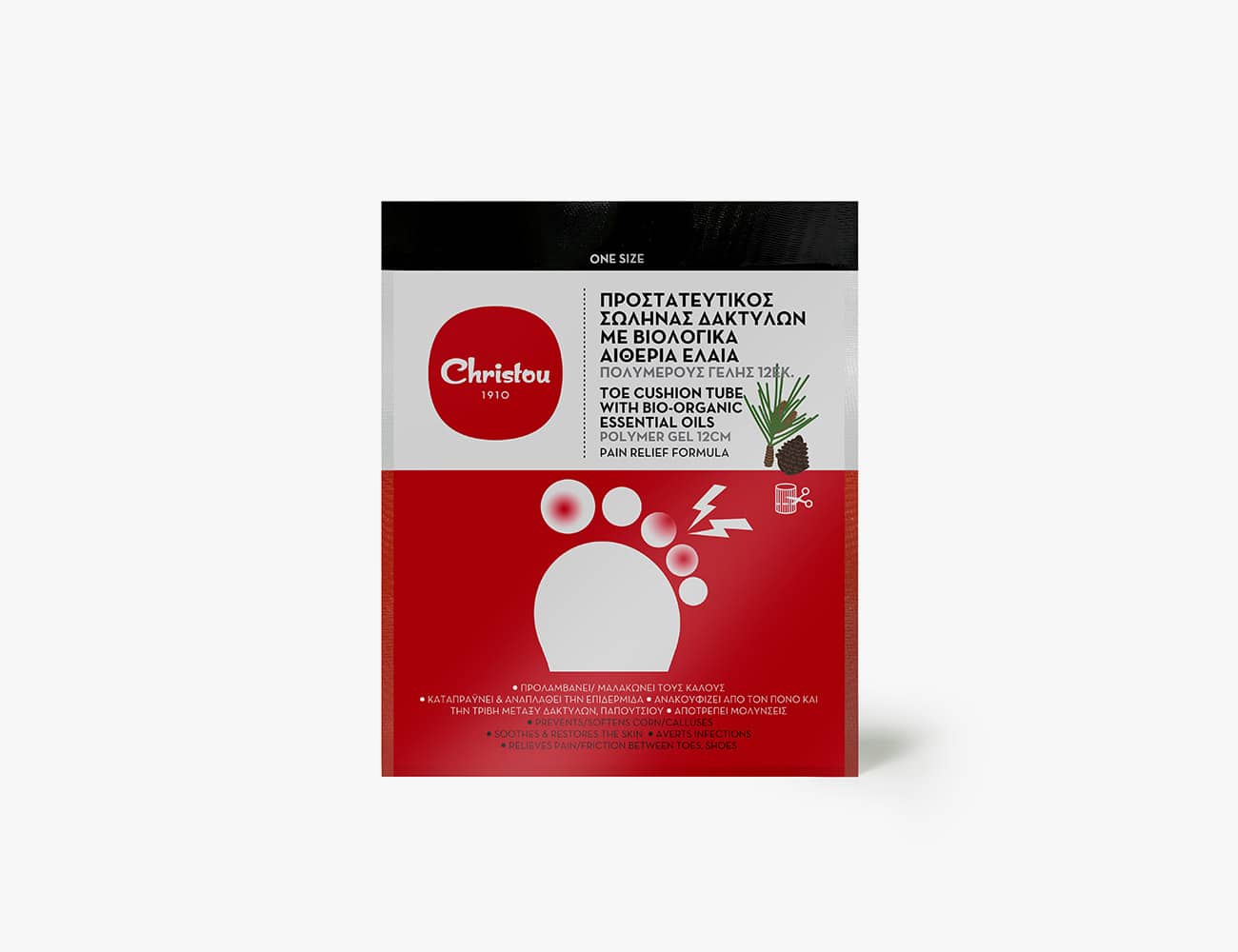
 Balsam, the most potent oil for wounds and inflammation, rosemary, Atlantic cedar, peppermint, and maritime pine, as a therapeutic blend in the protective toe tube, soften calluses and hyperkeratosis, helping in their natural removal.
 Discover the wisdom of nature and the unique properties of oils in Christou1910's specialized foot care collection.
Because what we put into our bodies is just as important as what we put on our bodies.
Discover the wisdom of nature and the unique properties of oils in Christou1910's specialized foot care collection.
Because what we put into our bodies is just as important as what we put on our bodies.
image credits: pinterest.com[/caption]
When we hear the word aromatherapy, we usually think of a treatment with essential oils that exude unique aromas and give our body a pleasant fresh and invigorating scent. However, scientific aromatherapy is much more!
Scientific aromatherapy is the specialized study of herbs found in nature and their therapeutic properties, and their controlled use to combat specific ailments, both mental and physical.
[big]Essential oils are the most advanced and powerful extracts of the plant kingdom and are found in aromatic plants. They are called essential because their aromas and their therapeutic molecules are volatile, meaning they evaporate into the atmosphere around us faster than vegetable oils, such as olive oil, which is a product of fruit pressing, but they are equally beneficial. [/big]
[caption id="attachment_4983" align="aligncenter" width="532"] image credits: unsplash.com[/caption]
Often, essential oils can only be found in a specific part of a plant, such as the flowers of roses. The oils are isolated through the distillation process from aromatic flowers, as well as from leaves, fruits, stems, seeds, barks, woods, peels, and berries.
[caption id="attachment_5054" align="aligncenter" width="434"] image credits: unsplash.com[/caption]
[caption id="attachment_5056" align="aligncenter" width="404"] image credits: unsplash.com[/caption]
The History of Scientific Aromatherapy
[caption id="attachment_4987" align="aligncenter" width="572"] image credits: google images[/caption]
Aromatherapy, the use of herbs and aromatic flowers found in nature for the relief and healing of patients, is knowledge that comes from the depths of centuries, reaching its most developed form today.
As physician Nikos Christidis recounts in his retrospective on the evolution of aromatherapy, 40,000 years ago the Aborigines of Australia, the oldest civilization in the world, survived difficult conditions by exploring the environment and developing their knowledge of indigenous flora, already using the leaves and oil of the well-known tea tree (Melaleuca alternifolia).
[caption id="attachment_4989" align="aligncenter" width="407"] Aborigines image credits: pinterest.com[/caption]
The three great geographical zones in which the study and application of therapeutic plant aromas developed are China, India, and the Mediterranean basin. India is the homeland of basil, which was considered a sacred plant, while ancient Rishis prophets recommended aromatic plants for body and soul treatments. In fact, in the Sacred Texts (such as the Rig Veda) in India 3,000 years ago, numerous aromatic plants and their properties were recorded.
In Mesopotamia, a 4,000-year-old inscription mentions the use of oils in combating epidemics, while in China 4,500 years ago, Shennong wrote the oldest manual of herbal medicine, recording valuable aromatic oils and mentioning their topical use for massage.
[caption id="attachment_4991" align="aligncenter" width="315"] Shennong[/caption]
In Egypt, between 2,000 and 3,000 BC, a rudimentary method of distillation developed, using aromatic oils such as Juniper (Juniperus Communis) and cinnamon (Cinnamomum zeylanicum) for impregnation, topical ointments, and medicinal wines to treat diseases, as well as for religious ceremonies and even the mummification method, with the impregnation of a mixture of 60 aromatic plants.
[caption id="attachment_4993" align="aligncenter" width="472"] Essential oil preparations in Egypt image credits: quintessence.com[/caption]
The inventors of true distillation in 1000 BC were the Persians, and more specifically Avicenna (980-1037), also known as the "prince of physicians." Avicenna produced the first pure essential oil from the hundred-petaled rose (Rosa centifolia). His contribution is very significant as he wrote over 100 medical treatises, including the "Canon of Medicine," which contains an extensive reference to therapeutic aromatic oils.
[caption id="attachment_4995" align="aligncenter" width="214"] Avicenna[/caption]
In ancient Greece, the "father of Medicine" Hippocrates treated the great plague in Athens by burning lavender, rosemary, hyssop, savory, and many other aromatic plants, while in his book "Aphorisms," he recommended aromatic baths for combating women's diseases. In the 1st century AD, Dioscorides wrote a book on herbal medicine, collecting all aromatic plants and their contribution to ailments, with the Romans renaming it "De Materia Medica," keeping it as a reference point for Western medicine for more than 1000 years!
[caption id="attachment_4997" align="aligncenter" width="220"] Hippocrates[/caption]
[caption id="attachment_4999" align="aligncenter" width="239"] Hippocrates' Aphorisms[/caption]
[caption id="attachment_5001" align="aligncenter" width="268"] Dioscorides[/caption]
In the Middle Ages, the widespread use of spices and aromatic extracts in the West was due, in large part, to the Crusades, as crusaders brought the art of distillation from the Arab world. In fact, 15th-century pharmacists were called aromaterii, giving us an idea of the important position aromatic plants and extracts held in the medicine of the time.
[caption id="attachment_5003" align="aligncenter" width="322"] Aromatherapy in the Middle Ages[/caption]
With the advent of industrial civilization and complex chemical drugs, this knowledge was marginalized, but increasingly we seek and turn to the wisdom of nature to improve our quality of life and our physical well-being.
Today, their beneficial ingredients are isolated mainly by steam distillation of the aromatic components of the plant. Their composition is rich and complex with different properties and effects on the body.
Scientific Aromatherapy and Modern Medicine
[caption id="attachment_5010" align="aligncenter" width="491"] image credits: unsplash.com[/caption]
The use of the science of aromatherapy in modern medicine is equally important not only as a natural alternative method but also for a truly holistic approach to treating ailments and is particularly related to the sense of smell and the often unknown processes of the human brain.
As Raphael d’Angelo, a holistic physician and researcher specializing in microbiology, eloquently explained in the geriatric journal Today's Geriatric Medicine:
[caption id="attachment_5016" align="aligncenter" width="134"] Raphael D'Angelo[/caption]
[big]"Although the sense of smell tends to decline as we age, the essential oils of aromatic plants can have a profound impact on patients. For example, a particular scent has the power to recall memories of events and emotions locked within us for many years. Their effect on the limbic system of the brain, which is associated with emotions, can easily be used positively to suppress anxiety and insomnia, increase appetite, and provide a general sense of inner calm."[/big]
[caption id="attachment_5013" align="aligncenter" width="476"] image credits: unsplash.com[/caption]
[caption id="attachment_5052" align="aligncenter" width="479"] image credits: unsplash.com[/caption]
In Greece, its use may not yet be so widespread, but abroad it coexists harmoniously and complements Conventional Medicine, as we said.
In America, for example, it is supported by organizations such as the Alliance of International Aromatherapists and the National Association for Holistic Aromatherapy and is integrated into hospital units with specialized staff who apply the appropriate therapies.
The diffusion of therapeutic oils is released into the patient's body in two ways:
- Topical use - The method of topical use is applied through local massage, compresses, ointments, foot soaks, baths, and even suppositories or gargles. Topical application is beneficial for physical and mental ailments such as muscle injuries, infections, gynecological disorders, insect bites, headaches, tension, depression, and severe fatigue.
- Inhalation - The method of direct inhalation is done through a personal inhaler, nebulizer, or aroma diffuser and is particularly effective for physical and mental ailments such as headaches, respiratory problems, stress management, and depression.
The culture of organic care at Christou1910
Aromatherapy combines both art and science, requiring a delicate balance of technique, just like conventional medicine. It involves the study of the chemistry of oils, which hold distinct therapeutic properties.
Each essential oil is highly concentrated but used in small quantities, like a small miraculous touch! What is particularly interesting is that the same essential oil can simultaneously be relaxing, soothe pain, help with peaceful sleep, or even prevent the spread of an infection in the body, thus enriching modern therapeutic approaches with its unique contribution.
With this primary thought of "the miraculous touch of nature," Christou1910 decided to delve deeper into this knowledge and, in collaboration with experienced botanists and the research team of the Chemistry Department of the University of Thessaloniki, to introduce the innovation of impregnating its toe products with 100% organic medical-grade essential oils.
The culture of Christou1910 is based on addressing health problems in the most natural way and unleashing the power hidden in our bodies with proper organic care. For this reason, it included the science of aromatherapy in its know-how, aiming to empower the human step with the wisdom of nature and anatomy.
Thus, each unique, therapeutic blend, formulated according to the specificity of each condition, contains 100% pure, natural essential oils from certified controlled cultivations suitable for medical aromatherapy, with scientific validity and certification from the International Organization for Control and Certification ECOCERT, USDA, as well as from the rich Greek flora of Mount Parnonas, such as balsam and genuine Serres lavender.
BUNION CUSHION WITH ORGANIC ESSENTIAL OILS


PAIR. 2pcs €9.90 SHOP NOW
The selected oils have been infused into a polymer gel and, with application and pressure, release all their beneficial substances to the injured and sensitive areas of the body, especially the sole, offering not only local healing but also small doses of inner peace and balance.
Balsam, wintergreen, lemon eucalyptus, juniper, lavender, green (illite) and white (kaolinite) clay in the bunion cushion and the metatarsal cushion act as relaxants, soothing inflammation by absorbing toxins, functioning as the most powerful painkiller, naturally healing wounds and stimulating circulation.
METATARSAL CUSHION WITH ORGANIC ESSENTIAL OILS
PAIR. 2pcs €10.90 SHOP NOW
Balsam, the most potent oil for wounds and inflammation, rosemary, Atlantic cedar, peppermint, and maritime pine, as a therapeutic blend in the protective toe tube, soften calluses and hyperkeratosis, helping in their natural removal.
PROTECTIVE TUBE FOR CALLUSES,
NAIL FUNGUS, BLISTERS, ABRASIONS
WITH ORGANIC ESSENTIAL OILS
PAIR. €7.20 SHOP NOW
Discover the wisdom of nature and the unique properties of oils in Christou1910's specialized foot care collection.
Because what we put into our bodies is just as important as what we put on our bodies.