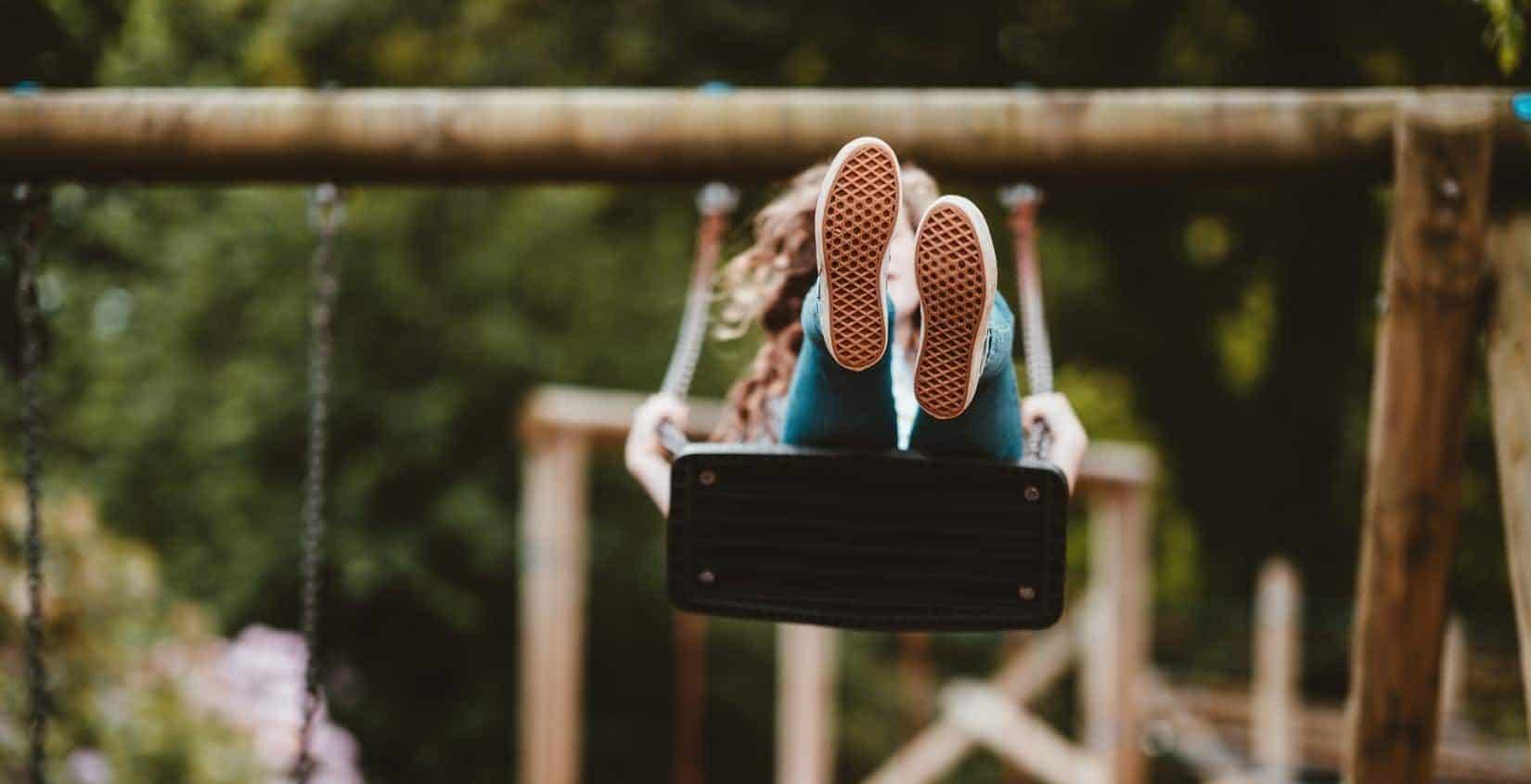
I jump, you jump, he/she jumps... Mom, my heel hurts!
 If your child constantly complains that their heels hurt, don't worry! They might have calcaneal apophysitis, also known as Sever's disease. Although the name makes it sound frightening, it's actually a common condition that's easily treatable.
What is Sever's disease?
Sever's disease (named after Dr. Sever, who diagnosed the condition a century ago) occurs when the back and upper surface of the heel becomes inflamed. The heel bone develops in this area of the sole (the insertion point of the Achilles tendon). Like all other bones in the body, its development continues throughout childhood and adolescence, until the child reaches 14 or 15 years old. Sever's disease usually appears between the ages of 8 and 14. In girls, it primarily occurs around 5 years of age, while in boys it's closer to 8 years. However, it mainly appears in boys and girls who participate in sports that involve running or jumping (soccer, basketball, ballet, rhythmic gymnastics). This is why it's also called runner's disease.What are the symptoms of Sever's disease?
The most common symptom is pain. Usually, this pain is located at the bottom or back of the heel. You'll notice it if your child limps or walks on their toes, as walking is painful. Heel pain can also make it difficult for them to participate in various activities or sports, or prevent them from performing as well as before. The child may even complain of pain when you press the sides of their heel, or they might tell you they're tired and want to lie down. Of course, don't compare a child's heel pain to an adult's heel pain. An adult experiences less heel pain when walking. In contrast, children with Sever's disease typically feel greater pain when walking.
What causes Sever's disease?
The most common cause of Sever's disease is repetitive impact of the child's feet on hard surfaces, such as when running, exercising, or playing. The vibrations exerted on the bone cause inflammation. Other causes may include:- Foot anatomy (high or flat arches)
- Obesity
- Varus or valgus foot (walking or running with weight shifted to the outer or inner part of the foot)
- Leg length discrepancy (one leg is shorter than the other)
- Tight Achilles tendon
How is it diagnosed?
Diagnosing Sever's disease is a fairly simple procedure. The specialized doctor, after taking the child's medical history, discusses their activities with the parents, especially what kind of sports they do and how often. Then, they examine the child's foot, gently pressing both sides of the heel to determine if the child feels pain. They also check if the child feels pain when standing on their toes and when stepping on the ground with their entire sole. X-rays may also be requested to rule out a possible injury, such as a fracture.
How is Sever's disease treated?
There are two forms of calcaneal apophysitis, acute and chronic. Successful management of the condition requires diagnosing which of the two forms your child has. Fortunately, neither the acute nor the chronic form requires surgery. If your child has the acute form, treatment primarily involves resting the foot to relieve the pressure causing heel pain. Additional treatment measures may include:- Changing shoe type
- Special shoe insoles for comfortable walking
- Fewer athletic activities for a few days
- Anti-inflammatory medications
Can Sever's disease be prevented?
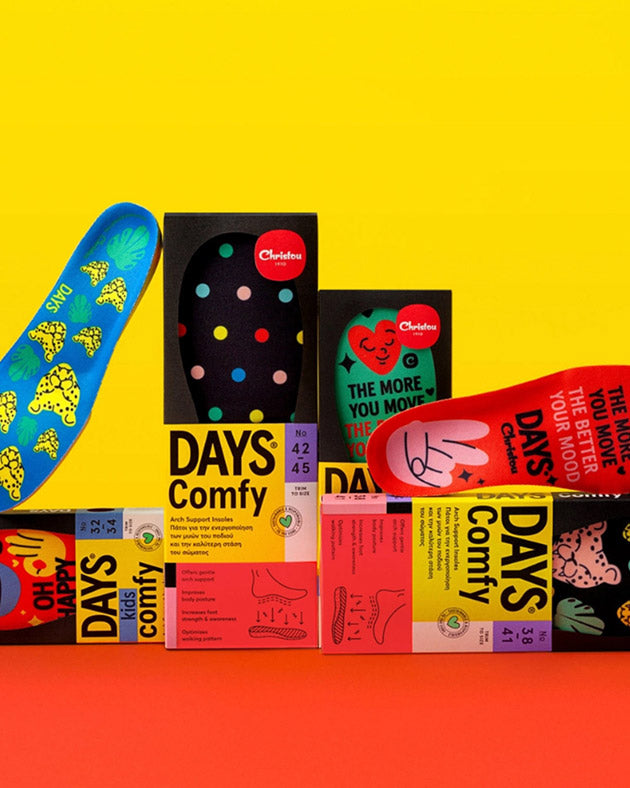
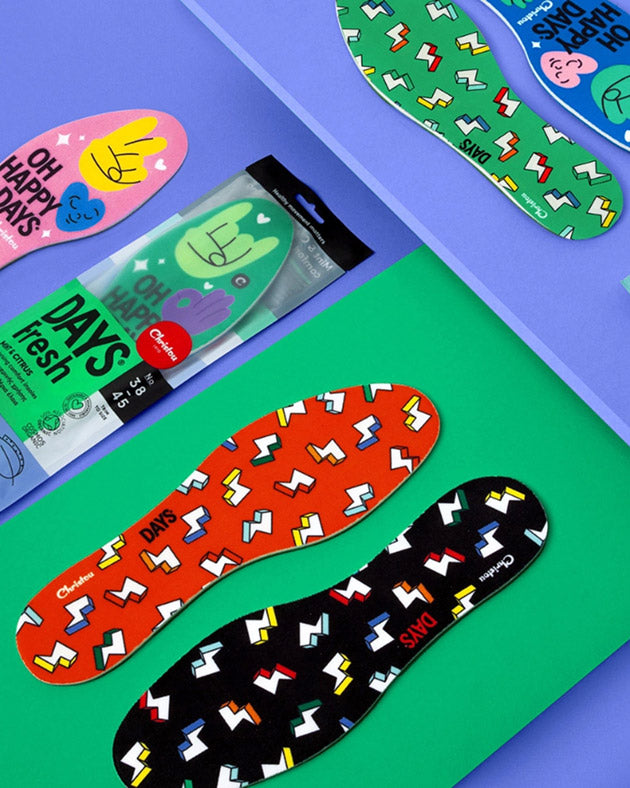
The best way to protect your child from Sever's disease is to ensure they wear the correct shoes, in terms of material and anatomical design. If your child complains that their shoes bother them, don't overlook it. Ask them to explain what kind of discomfort they feel, where it hurts, and once you're sure, change them immediately. Children should feel comfortable in their shoes for as long as they wear them, both when exercising or engaging in intense activities, and when walking. Also, shoe insoles play an important role in this. A pair of shoes may be comfortable on the child's foot and not constrict it, but if the insoles are unsuitable and hard, they will sooner or later cause problems for their heels. Thus, to ensure your child's feet "always stand firm" on the ground, you should choose quality shoes and, for greater protection, "dress" them internally with specially designed insoles. In the insole section, Christou1910 has two alternatives to suggest: anatomical insoles for proper support and shock protection, and fragranced insoles for ultimate comfort along with deodorizing, antibacterial, and antifungal action!
Fragranced insoles 5,94€

Anatomical insoles 9,77€
Shop the story by Christou1910
 For their good health, children and adolescents should exercise moderately to intensely for at least 60 minutes a day. Younger children and preschoolers should spend at least 180 minutes (3 hours) a day doing various activities and playing either indoors or outdoors. The more the better!
Christou1910 anatomical and fragranced children's insoles
Make children not want to take their shoes off!
The illustration was created by the multi-award-winning Franco-Canadian illustrator and author Elise Gravel, while the design is the result of Christou1910's long-standing research aiming to meet children's need for proper foot formation and support in the most comprehensive and affordable way.
Whatever series of insoles you choose for your child, be assured that these are high-quality health accessories. They are made from natural and absorbent material that allows the foot to breathe, fit perfectly to the foot's anatomy, and fully protect against shocks and heel impacts. The comfort they offer and the freshness they provide with organic essential oils (in the case of fragranced insoles) make children not want to take their shoes off!
Find out about all children's health accessories HERE
For their good health, children and adolescents should exercise moderately to intensely for at least 60 minutes a day. Younger children and preschoolers should spend at least 180 minutes (3 hours) a day doing various activities and playing either indoors or outdoors. The more the better!
Christou1910 anatomical and fragranced children's insoles
Make children not want to take their shoes off!
The illustration was created by the multi-award-winning Franco-Canadian illustrator and author Elise Gravel, while the design is the result of Christou1910's long-standing research aiming to meet children's need for proper foot formation and support in the most comprehensive and affordable way.
Whatever series of insoles you choose for your child, be assured that these are high-quality health accessories. They are made from natural and absorbent material that allows the foot to breathe, fit perfectly to the foot's anatomy, and fully protect against shocks and heel impacts. The comfort they offer and the freshness they provide with organic essential oils (in the case of fragranced insoles) make children not want to take their shoes off!
Find out about all children's health accessories HERE
 Want to see them up close?
Find Christou1910 children's health accessories at physical points of sale nationwide! More specifically: At Attica, Department stores in the children's shoe corner At DPAM children's clothing stores At Intersport sports stores At Hondos Center In selected Health centers and Pharmacies And of course, at the following Supermarkets: AB Vassilopoulos, Masoutis, Sklavenitis, Mymarket.
Find your nearest point of sale by entering your address HERE