


Cervicalgia: symptoms, treatment and prevention tips
Are you wondering what 'cervical syndrome' is? Are you feeling pain in your neck right now as you read this article? Is your back stiff? Is it another stressful day at work, and this pain is increasing your stress? Is this the first time you've read the word "cervical"? Then, what about the word "stress"? Or even the phrase "cervicalgia"?
If you answered YES to 1 or 2 or even all 3 of the above questions, if you are experiencing neck pain that doesn't subside but instead intensifies day by day, then welcome to our article.
Neck pain, or cervicalgia (as it is scientifically defined), is a common symptom that can start "silently," but intensifies day by day causing discomfort and in many cases, more severe conditions.
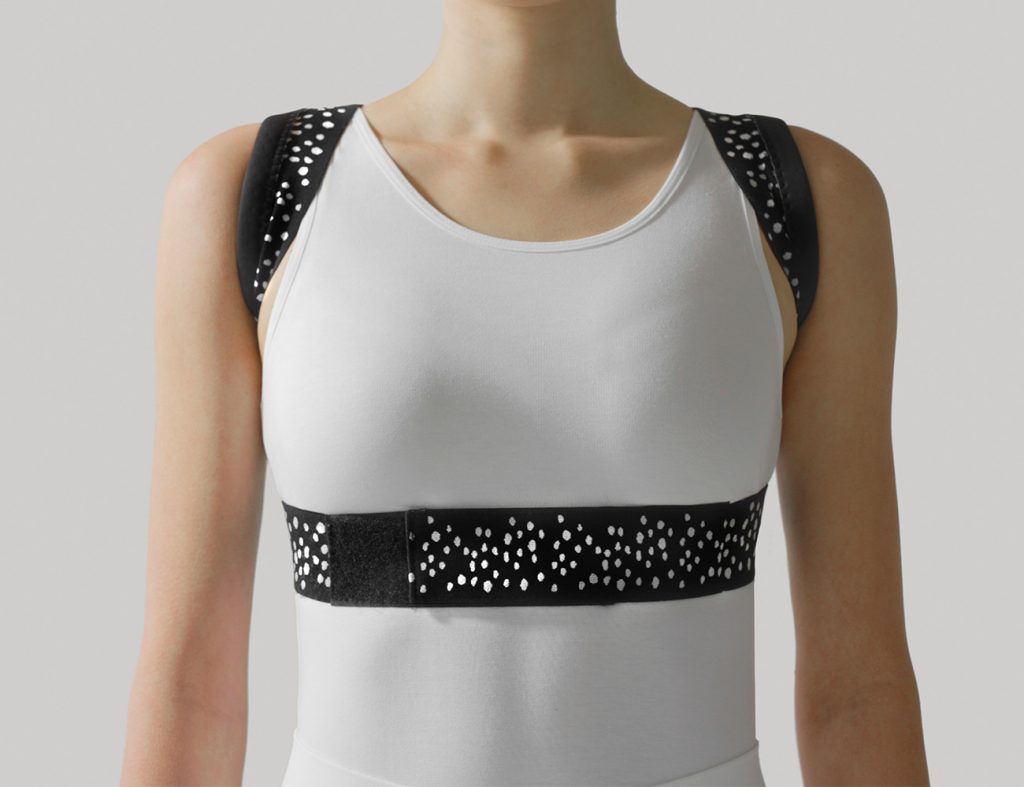
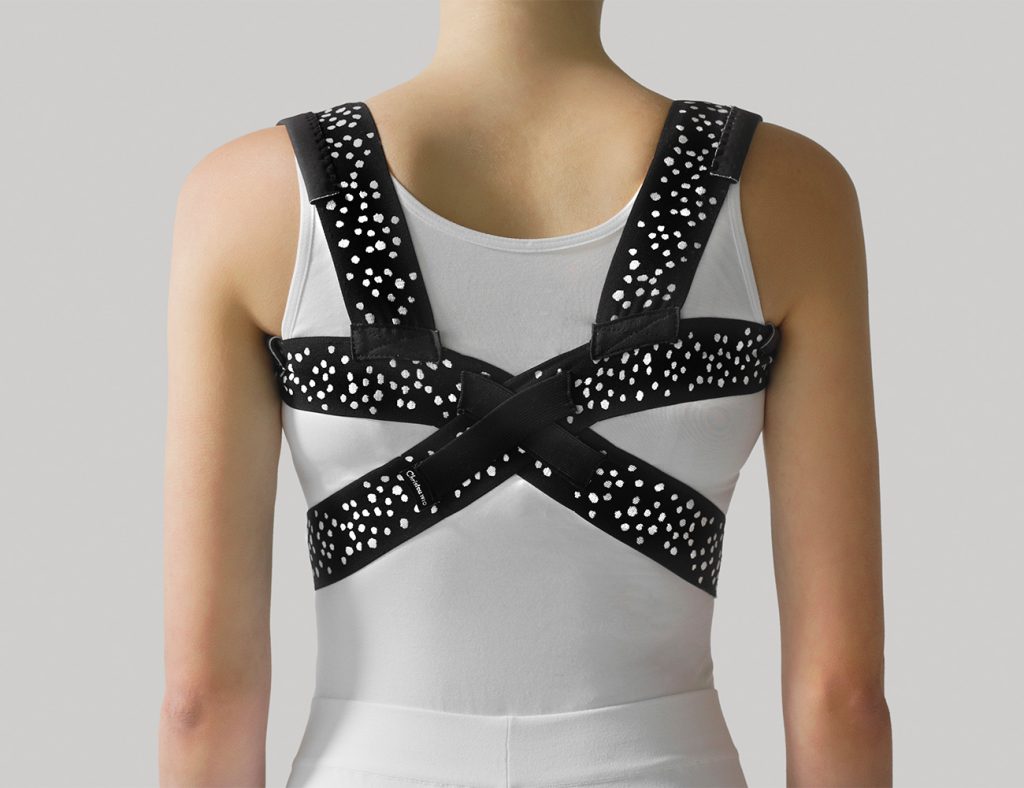 The traction belt aims for natural stretching for the back, spine, neck, and cervical area. Its use is easy and does not "stop" you from your daily routine.
Due to its small size, it is easily stored so you can have it in your bag every day. As soon as you feel your neck is particularly strained (after endless hours in front of the computer, when relaxing at home or even when doing some "light" chores) try wearing it and experience an "AAAA moment".
30-minutes-to-1-hour a day is enough time for our body to develop a good habit!
The traction belt aims for natural stretching for the back, spine, neck, and cervical area. Its use is easy and does not "stop" you from your daily routine.
Due to its small size, it is easily stored so you can have it in your bag every day. As soon as you feel your neck is particularly strained (after endless hours in front of the computer, when relaxing at home or even when doing some "light" chores) try wearing it and experience an "AAAA moment".
30-minutes-to-1-hour a day is enough time for our body to develop a good habit!
Cervicalgia: how it is caused
Cervicalgia is usually caused by poor posture, such as sleeping in the wrong position, prolonged driving, or prolonged work in front of a screen. Cervicalgia can be acute (lasting less than 4 weeks), subacute (lasting 4-8 weeks), or chronic (continuing for 8 or more weeks) and is usually due to degeneration that starts from the cervical intervertebral discs. Of course, it can also be due to an injury, most often muscular, as well as more serious conditions such as tumors, infections, or inflammatory and autoimmune diseases.How cervicalgia pain manifests
Usually, the pain can radiate to the head (on one or both sides of the head), to the shoulder, arms, or back. Also, there may be restricted neck movement or a local spasm, commonly known as a "stiff neck" or "cramp."How to treat Cervicalgia
1. Assess the pain
If it's the first time you're experiencing it, it's likely to be treated with rest or even simple methods such as massages, hot or cold compresses, combined with pain relievers and muscle relaxants. If the above do not address the muscle injury, then it's time to consult a specialist. The specialists you can consult are, of course, an orthopedic doctor who will find the cause of cervicalgia (often, however, the problem requires a diagnosis from other specialties such as a neurologist and/or a rheumatologist).2. Take care of your body
A saying from the "father of Medicine," Hippocrates, goes: "It is better to prevent than to cure," which loosely means it is better to prevent a medical condition than to look for a way to cure it - Better safe than sorry - Meditation, acupuncture sessions, intensive massages, and daily use of the traction belt are some suggestions for taking care of our body before it "demands" it. We, at Christou, believe in and trust the power of the body, and we urge you to believe in it too.
3. Daily use of a Traction Belt
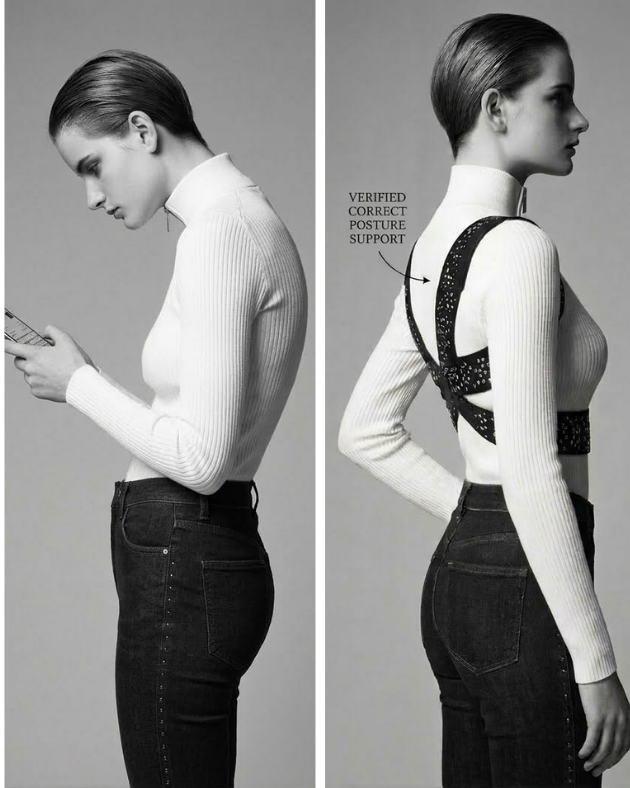
The traction belt is a natural treatment for cervicalgia as it reminds our back to stand correctly in its proper "proud posture." How? Simple!
The traction belt aims for natural stretching for the back, spine, neck, and cervical area. Its use is easy and does not "stop" you from your daily routine.
Due to its small size, it is easily stored so you can have it in your bag every day. As soon as you feel your neck is particularly strained (after endless hours in front of the computer, when relaxing at home or even when doing some "light" chores) try wearing it and experience an "AAAA moment".
30-minutes-to-1-hour a day is enough time for our body to develop a good habit!
Tips for preventing cervical syndrome:
- Take regular breaks from continuous driving or prolonged computer screen viewing.
- Adjust your office chair so that your spine is in a neutral position – for proper adjustment, your computer screen should be at eye level, avoiding bending or twisting your head for many hours during the day.
- Choose a proper pillow and do not use more than one (pillow) for your sleep.
- Wear the traction belt daily for 30-minutes-to-1-hour.