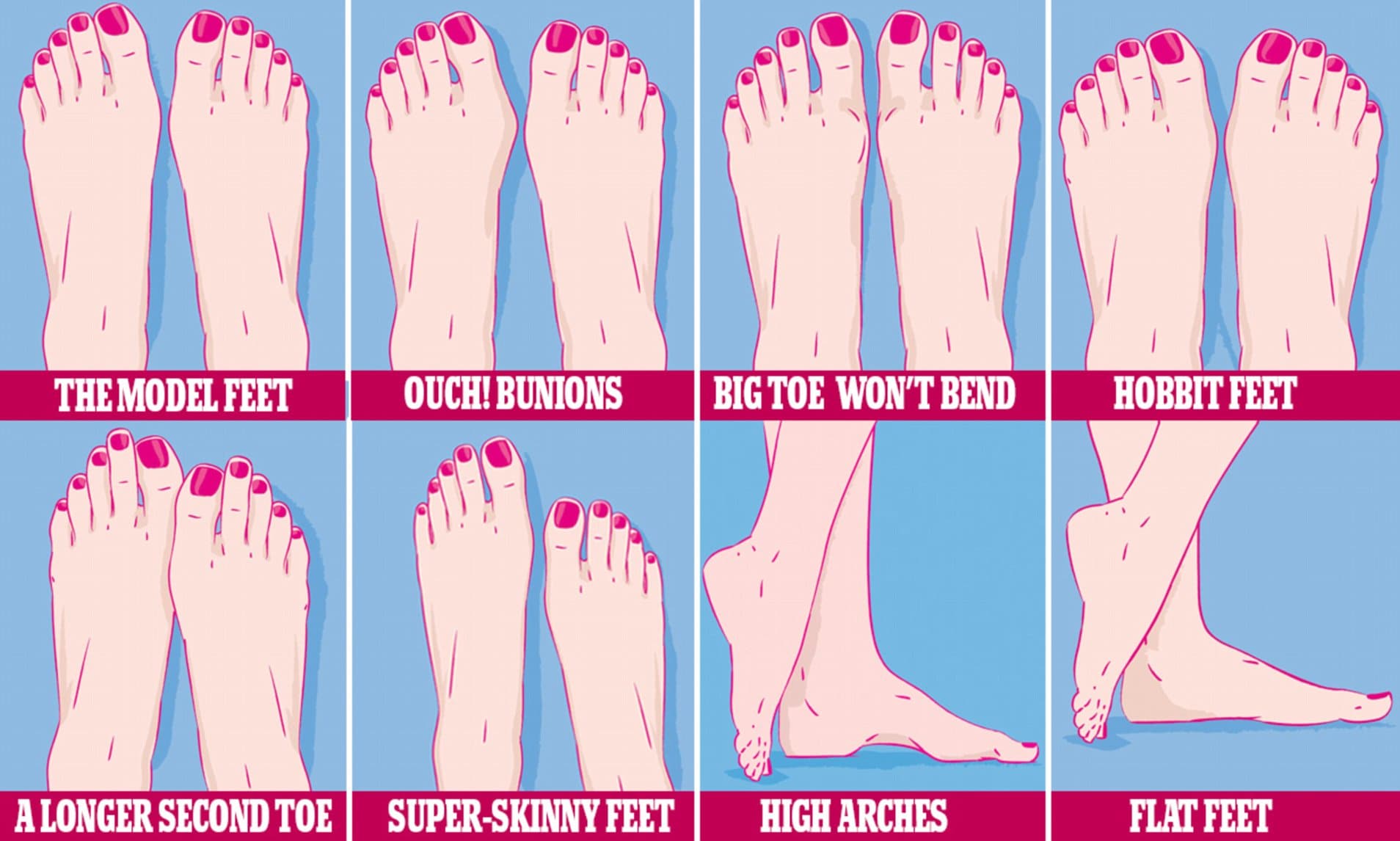
Cinderella Test: Find the ideal shoe type for your foot!
Do you often wonder why you can't easily find comfortable shoes?
Did you get your dream shoes but the fit is a nightmare? We found the... Cinderella test by Daily Mail from podiatrist Emma Supple, which will help you better understand the style that suits you best, depending on your foot morphology!
[caption id="attachment_4353" align="alignnone" width="211"] Dr. Emma Supple[/caption]
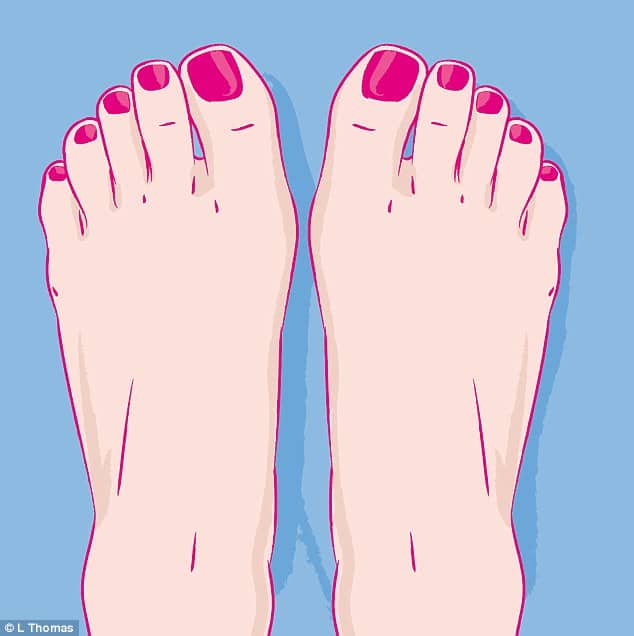 image credits: daily mail.co.uk[/caption]
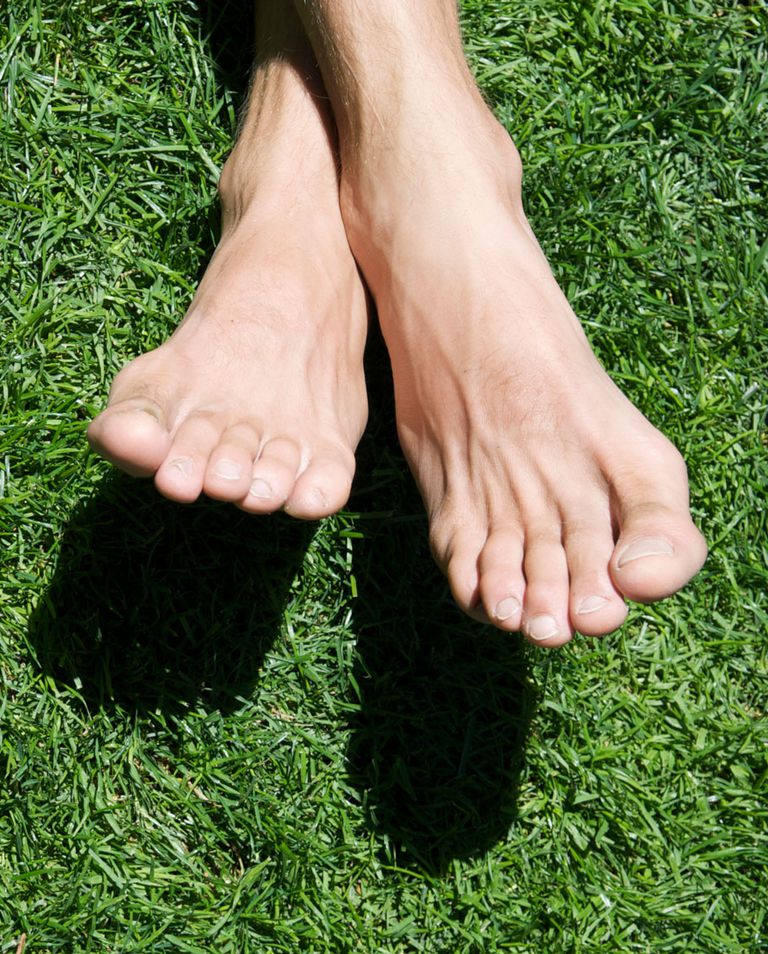
Is your big toe longer than the second one? Do the other toes have the perfect downward slope, without bending or hunching? Does the arch of your foot resemble a dancer's and are you often complimented on your beautiful feet?
Then you are lucky enough to belong to the very rare category of the foot with rectus morphology, meaning the absolutely normal foot, without any kind of deformity. This category, although theoretically "normal", is rarely encountered as we all have inherited some small peculiarity in our feet, which needs proper support!
Although there are not many restrictions, the appropriate type of shoe for your feet is:
Shoes with a low but thick square heel are the most helpful, although they should be alternated with different styles so that the same pressure points on the foot are not repeatedly exerted.
'50s style shoes with the round toe and durable heel, properly support the heel, so you can stay stylish, without feeling excessive fatigue.
[caption id="attachment_4357" align="alignnone" width="322"]
image credits: daily mail.co.uk[/caption]
Is your big toe longer than the second one? Do the other toes have the perfect downward slope, without bending or hunching? Does the arch of your foot resemble a dancer's and are you often complimented on your beautiful feet?
Then you are lucky enough to belong to the very rare category of the foot with rectus morphology, meaning the absolutely normal foot, without any kind of deformity. This category, although theoretically "normal", is rarely encountered as we all have inherited some small peculiarity in our feet, which needs proper support!
Although there are not many restrictions, the appropriate type of shoe for your feet is:
Shoes with a low but thick square heel are the most helpful, although they should be alternated with different styles so that the same pressure points on the foot are not repeatedly exerted.
'50s style shoes with the round toe and durable heel, properly support the heel, so you can stay stylish, without feeling excessive fatigue.
[caption id="attachment_4357" align="alignnone" width="322"] image credits: daily mail.co.uk[/caption]
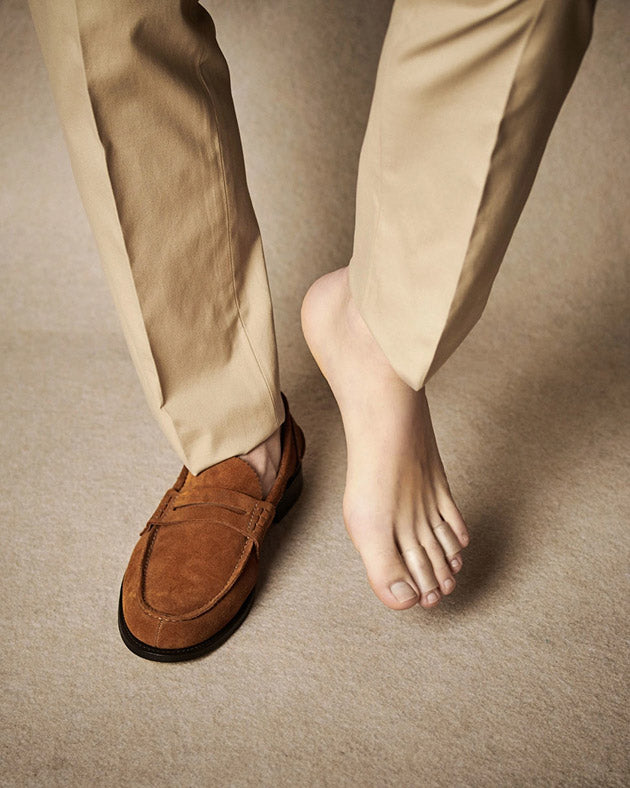
Supple recommends the "trouser rule". That is, we wear our comfortable, low shoes, carefully hidden under the cuffs of our trousers, and our stylish high heels with our airy dresses and skirts!
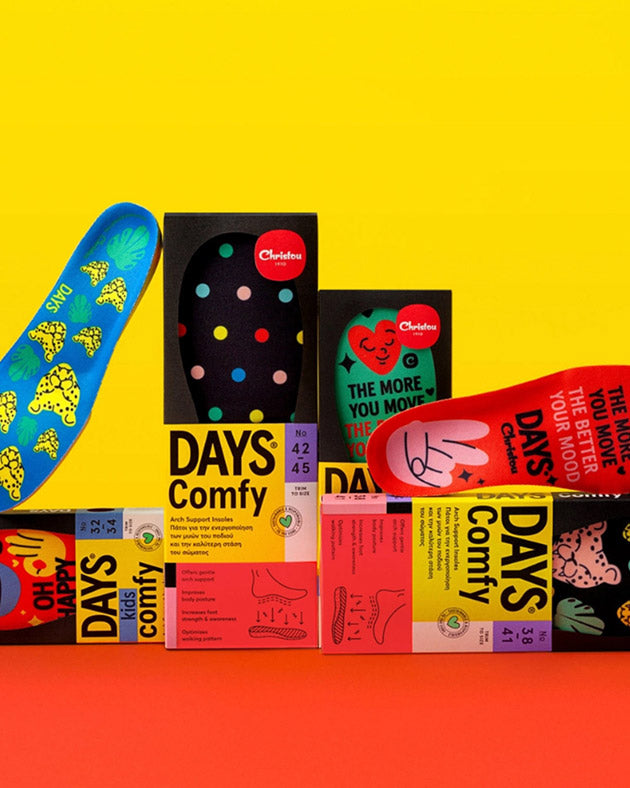
And because, no matter how ideal your foot is, it also needs its protection, we suggest you "dress" your shoes with Christou1910's anatomical silicone insoles with 100% pure medical grade silicone. The hypoallergenic insoles are very easy to wear with any type of shoe, offering support to the 3 main points of the foot: the heel, the arch and the metatarsus. The insoles absorb shocks and increased pressure from the entire body weight on the feet, preventing calluses, hardening and keeping you more comfortable and rested even after hours of standing.
image credits: daily mail.co.uk[/caption]
Supple recommends the "trouser rule". That is, we wear our comfortable, low shoes, carefully hidden under the cuffs of our trousers, and our stylish high heels with our airy dresses and skirts!
And because, no matter how ideal your foot is, it also needs its protection, we suggest you "dress" your shoes with Christou1910's anatomical silicone insoles with 100% pure medical grade silicone. The hypoallergenic insoles are very easy to wear with any type of shoe, offering support to the 3 main points of the foot: the heel, the arch and the metatarsus. The insoles absorb shocks and increased pressure from the entire body weight on the feet, preventing calluses, hardening and keeping you more comfortable and rested even after hours of standing.
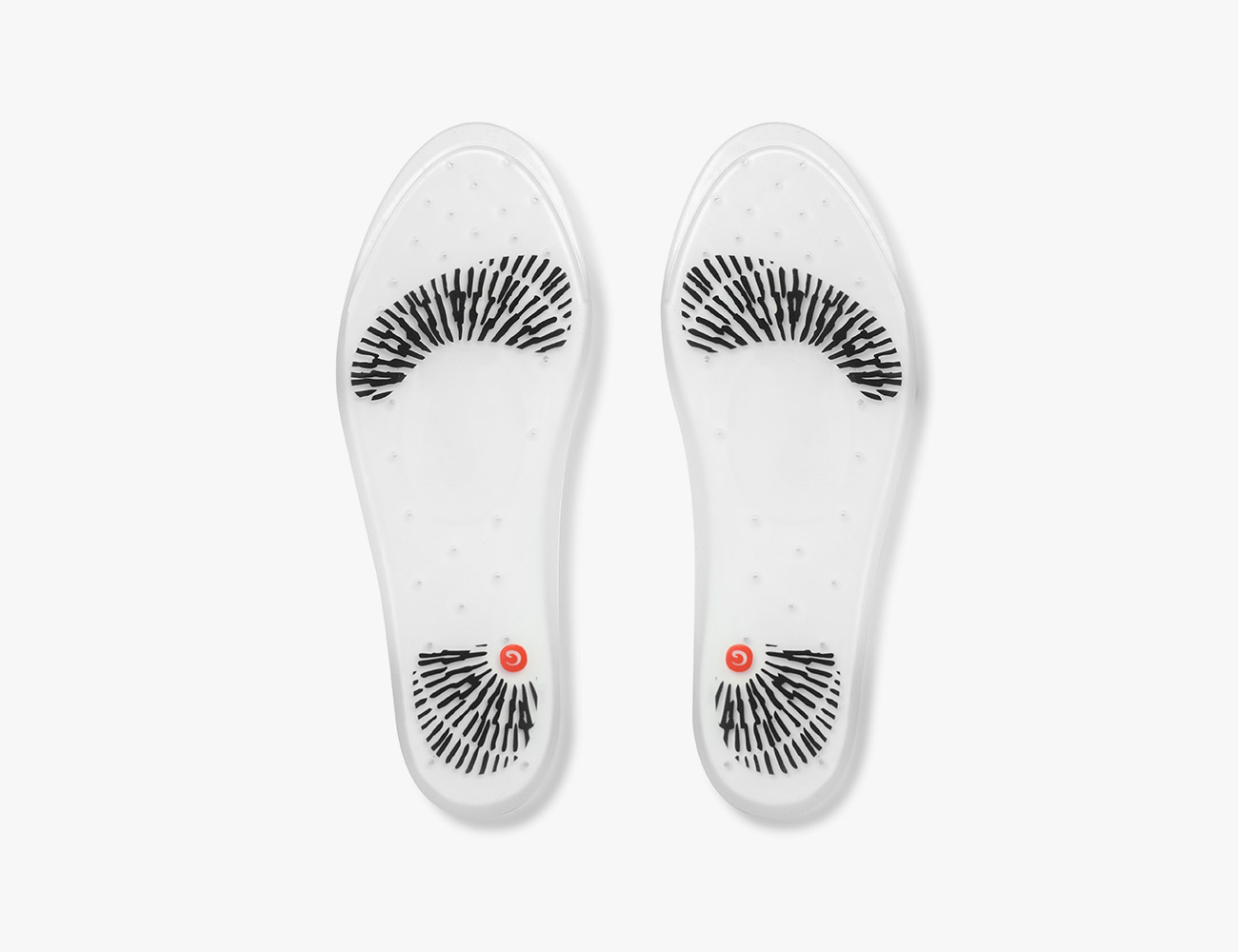
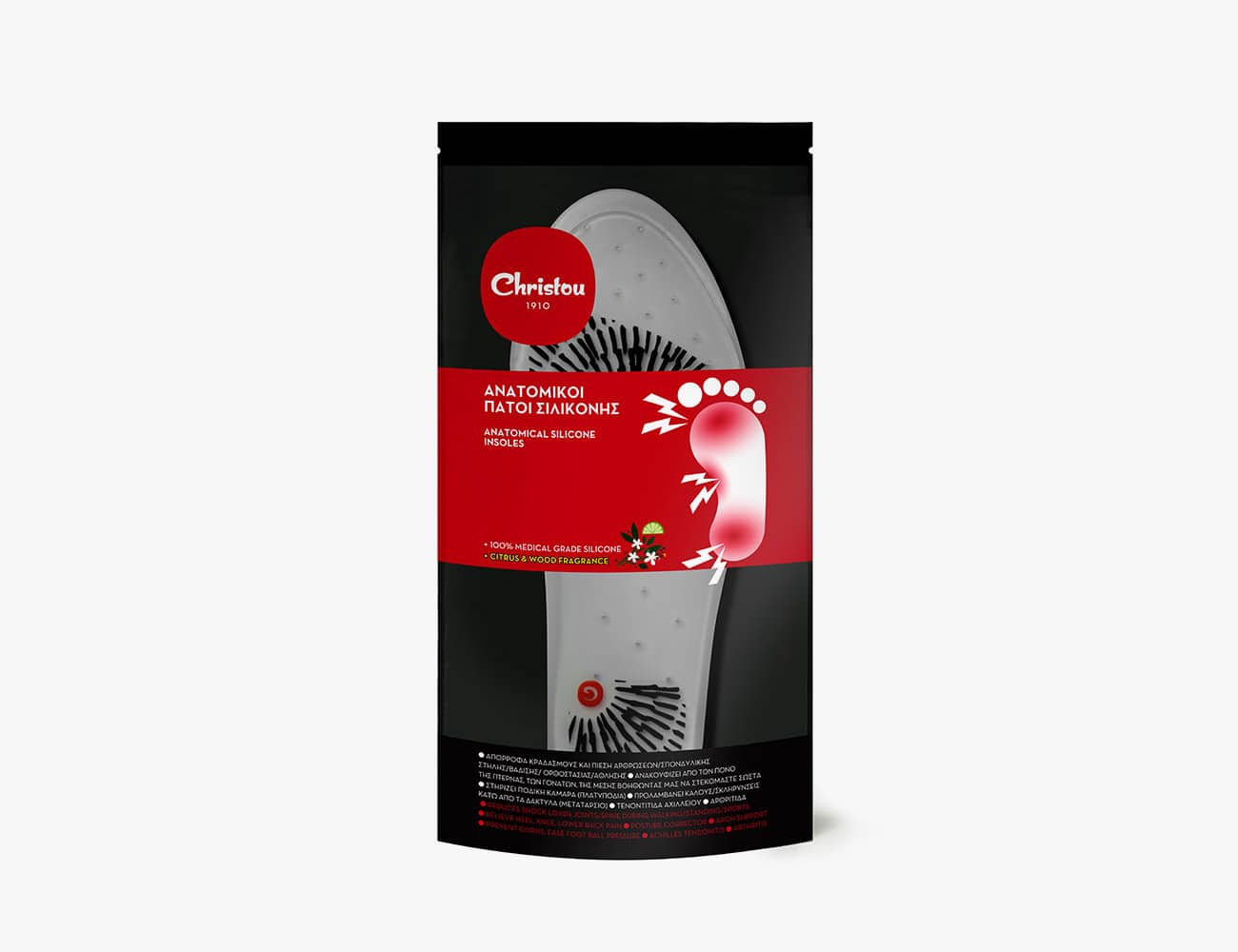
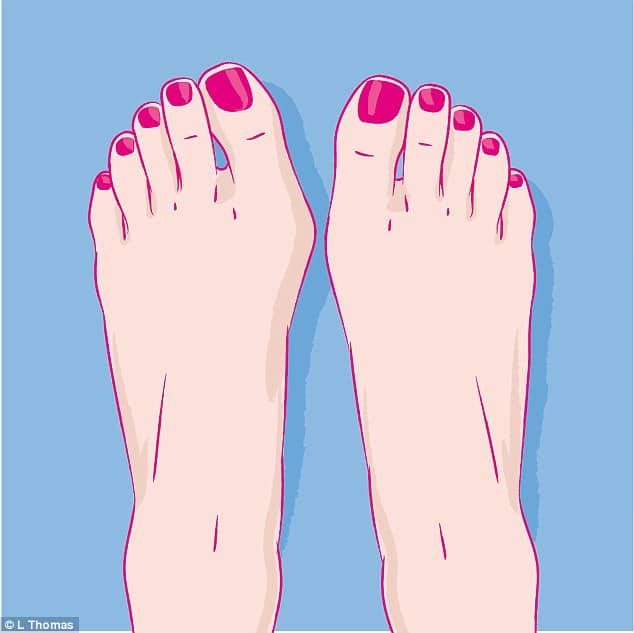 image credits: dailymail.co.uk[/caption]
Have you been affected by this annoying and painful bump called a bunion at the base of your big toe? A bunion or hallux valgus, in medical terminology, is a small, protruding bone that can appear on any type of foot, whether thin or thick, and is usually associated with hereditary factors. Bunions can appear in childhood, or later in our adult life, relatively early, from the age of 20.
If the bunion causes severe pain in the ligaments of the foot, then surgical removal is preferable. Most, however, experience only a limited degree of pain, as the foot extends beyond the bunion.
Wider and more comfortable shoes, as expected, better support the foot with this problem. Avoid pointed shoes with hard seams that can put more pressure on the foot joints. In the summer months, "salsa type" shoes, i.e. low, open sandals with a small heel, allow the foot to breathe without looking dull. The toes are able to move without being constricted and the weight is shifted to the heel, relieving pressure from the painful area. For the winter months, a loose ankle boot made of soft suede with a rounded toe and square heel is suitable so as not to restrict the big toe area.
[caption id="attachment_4513" align="alignnone" width="291"]
image credits: dailymail.co.uk[/caption]
Have you been affected by this annoying and painful bump called a bunion at the base of your big toe? A bunion or hallux valgus, in medical terminology, is a small, protruding bone that can appear on any type of foot, whether thin or thick, and is usually associated with hereditary factors. Bunions can appear in childhood, or later in our adult life, relatively early, from the age of 20.
If the bunion causes severe pain in the ligaments of the foot, then surgical removal is preferable. Most, however, experience only a limited degree of pain, as the foot extends beyond the bunion.
Wider and more comfortable shoes, as expected, better support the foot with this problem. Avoid pointed shoes with hard seams that can put more pressure on the foot joints. In the summer months, "salsa type" shoes, i.e. low, open sandals with a small heel, allow the foot to breathe without looking dull. The toes are able to move without being constricted and the weight is shifted to the heel, relieving pressure from the painful area. For the winter months, a loose ankle boot made of soft suede with a rounded toe and square heel is suitable so as not to restrict the big toe area.
[caption id="attachment_4513" align="alignnone" width="291"]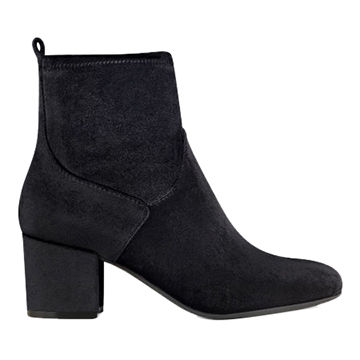 Image credits: pinterest.com[/caption]
However, since no matter what shoe you choose, the pain will not be completely eliminated, you can protect the painful area in the most natural and therapeutic way.
Christou1910's bunion cushion is a soft aid that aligns the big toe and prevents the toes from "crossing". By creating a protective layer over the protruding bone, it reduces pressure and friction from the shoe and relieves the painful area. The cushion has a unique innovation: a therapeutic combination of medical-grade organic essential oils, with analgesic, healing and anti-inflammatory action that soothes the bunion and leaves the foot soft and cool, in its correct position!
Image credits: pinterest.com[/caption]
However, since no matter what shoe you choose, the pain will not be completely eliminated, you can protect the painful area in the most natural and therapeutic way.
Christou1910's bunion cushion is a soft aid that aligns the big toe and prevents the toes from "crossing". By creating a protective layer over the protruding bone, it reduces pressure and friction from the shoe and relieves the painful area. The cushion has a unique innovation: a therapeutic combination of medical-grade organic essential oils, with analgesic, healing and anti-inflammatory action that soothes the bunion and leaves the foot soft and cool, in its correct position!
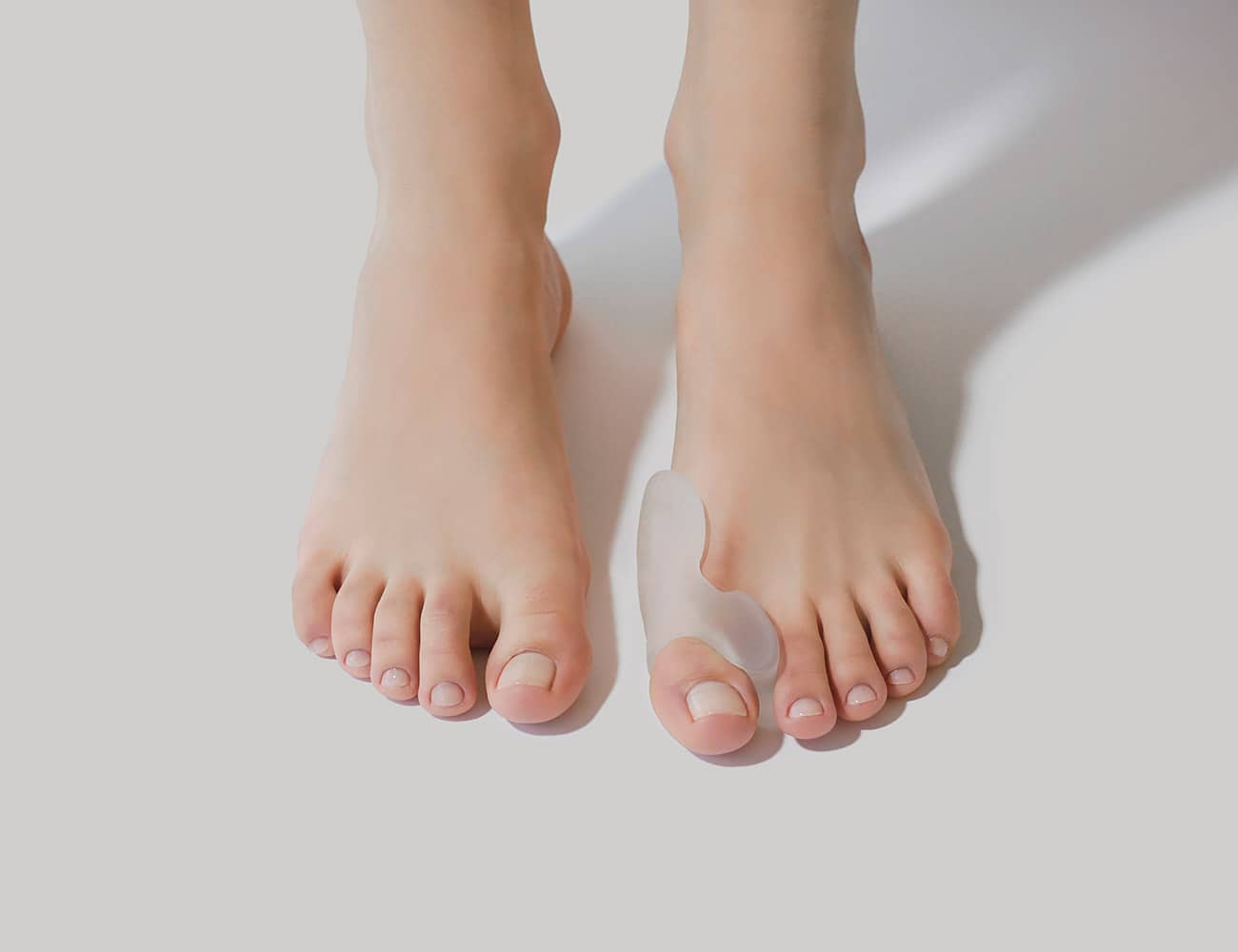
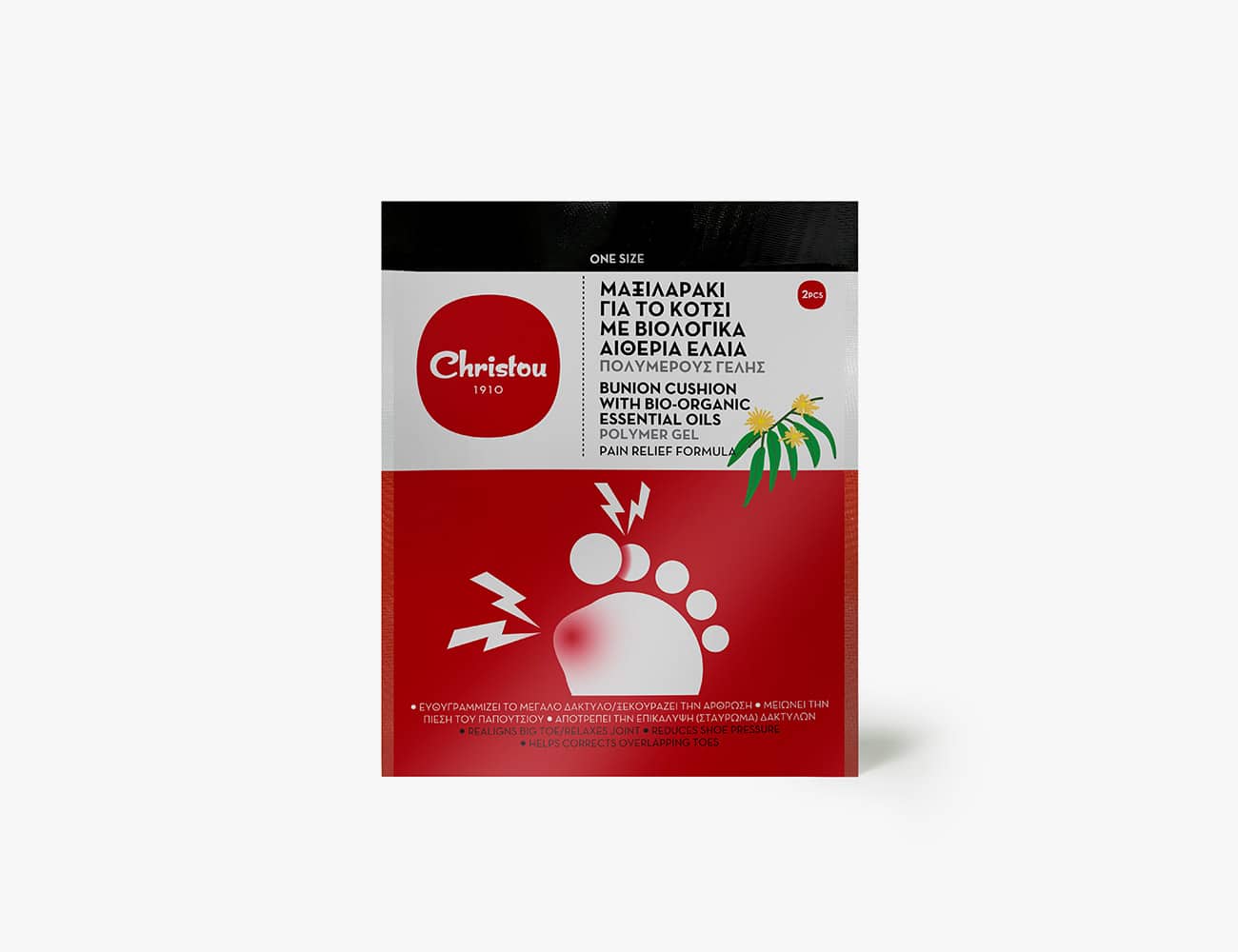
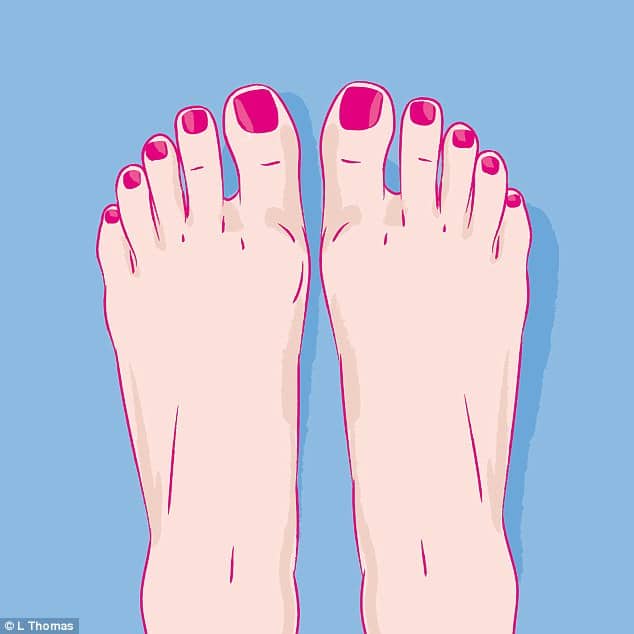 image credits: dailymail.co.uk[/caption]
Stiff big toe? And yet, it's more common than you think. Many times we walk and our big toe remains in its inflexible position.
This functional problem, in medical terminology, is called functional hallux limitus (FHL) or hallux rigidus, to describe this incorrect posture of the big toe. This problem, in turn, is hereditary. Those who have this tendency usually get more tired when walking on hard, flat surfaces for a long time.
The ideal shoe for this problem is a small wedge or a laced brogue shoe. If you pick up a shoe and, by shaking it, you see that its tip is very soft and pliable and retracts easily, then do not choose it. Shoes with a thin sole do not protect the foot and will "force" the big toe to bend, which is not correct. The appropriate shoe has a hard, durable sole so that it does not bend easily on hard, flat surfaces and a low heel, about 2.5 cm.
[caption id="attachment_4375" align="alignnone" width="371"]
image credits: dailymail.co.uk[/caption]
Stiff big toe? And yet, it's more common than you think. Many times we walk and our big toe remains in its inflexible position.
This functional problem, in medical terminology, is called functional hallux limitus (FHL) or hallux rigidus, to describe this incorrect posture of the big toe. This problem, in turn, is hereditary. Those who have this tendency usually get more tired when walking on hard, flat surfaces for a long time.
The ideal shoe for this problem is a small wedge or a laced brogue shoe. If you pick up a shoe and, by shaking it, you see that its tip is very soft and pliable and retracts easily, then do not choose it. Shoes with a thin sole do not protect the foot and will "force" the big toe to bend, which is not correct. The appropriate shoe has a hard, durable sole so that it does not bend easily on hard, flat surfaces and a low heel, about 2.5 cm.
[caption id="attachment_4375" align="alignnone" width="371"] image credits: dailymail.co.uk[/caption]
In this case, you can also choose anatomical insoles or, to enhance the elevated arch of the foot, just like small platforms do, add a silicone heel cushion for heel spurs to your heel. Inappropriate shoes and prolonged standing have already strained your foot and need a small soft layer that absorbs friction and shocks and offers greater flexibility! Smart Tip: They also make you 1.5 cm taller! ;)
image credits: dailymail.co.uk[/caption]
In this case, you can also choose anatomical insoles or, to enhance the elevated arch of the foot, just like small platforms do, add a silicone heel cushion for heel spurs to your heel. Inappropriate shoes and prolonged standing have already strained your foot and need a small soft layer that absorbs friction and shocks and offers greater flexibility! Smart Tip: They also make you 1.5 cm taller! ;)
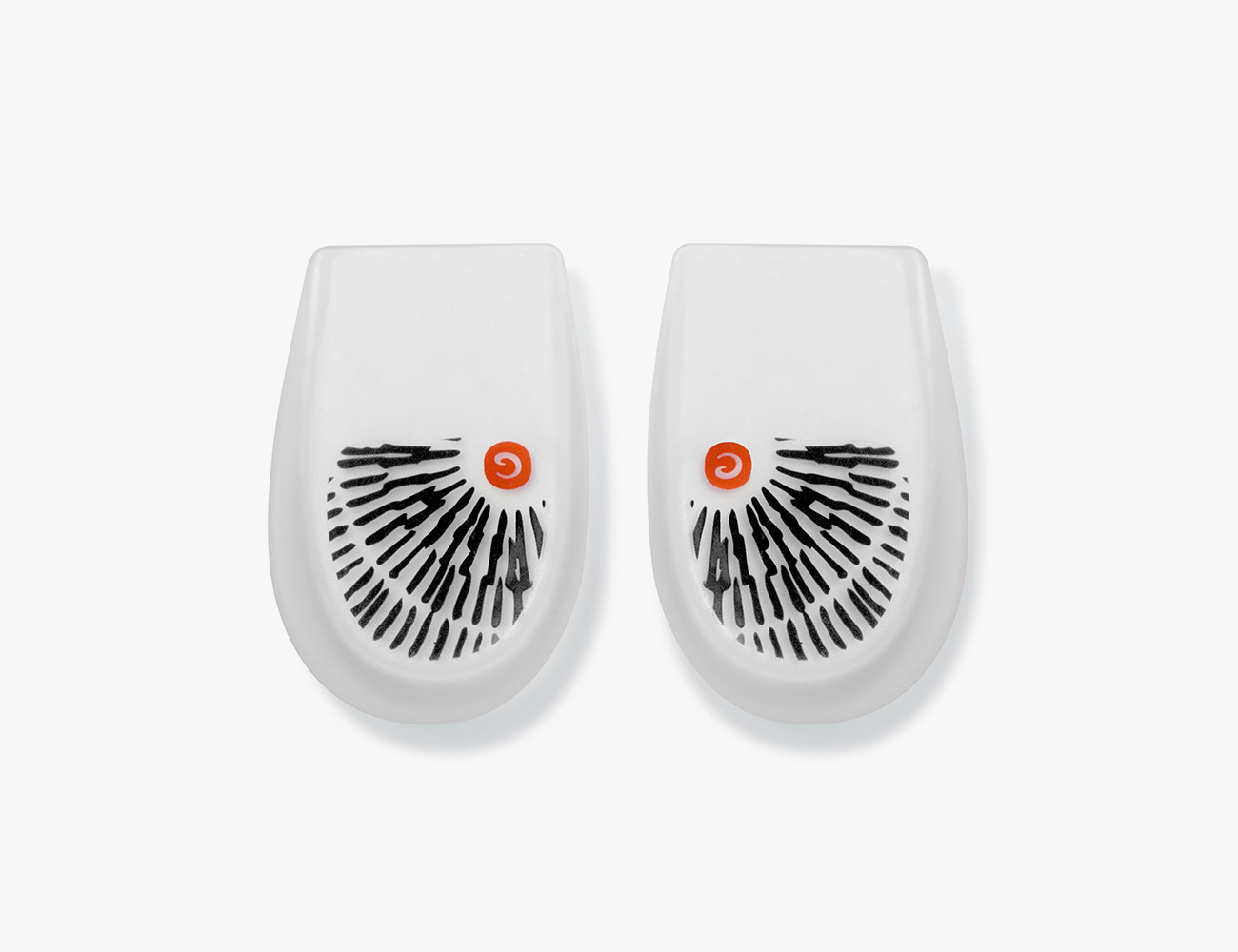
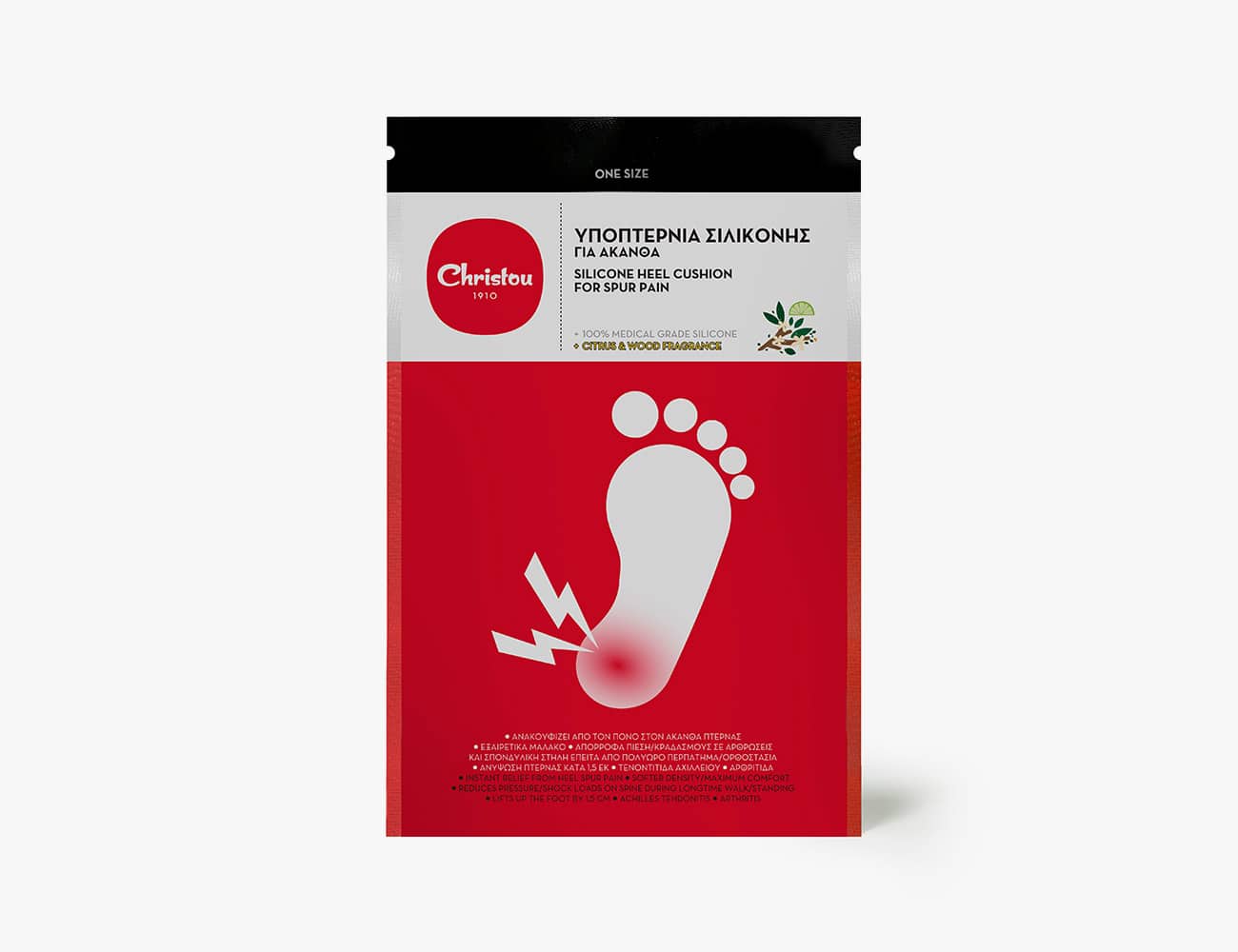
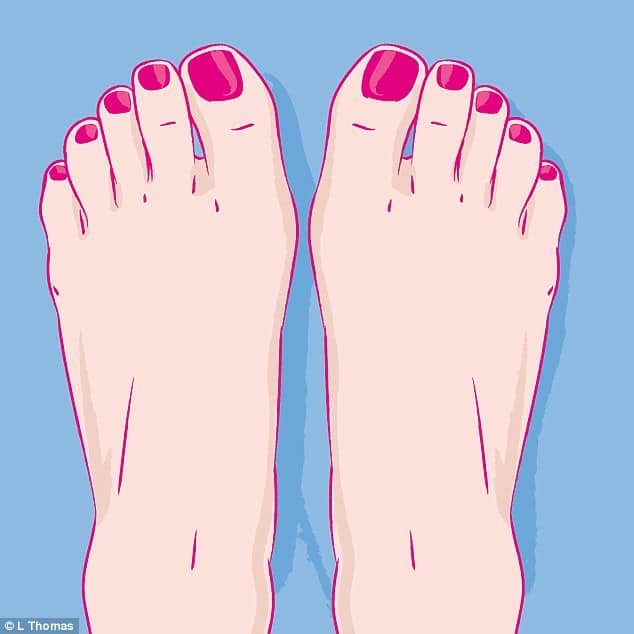 image credits: dailymail.co.uk[/caption]
It's not a shame to have a slightly chubbier or wider foot! Some women prefer to squeeze their feet into smaller shoe sizes to make them look more elegant! You can simply choose a style that gives the impression of slimmer limbs. Avoid clunky sneakers and platform shoes with huge soles!
[caption id="attachment_4516" align="alignnone" width="219"]
image credits: dailymail.co.uk[/caption]
It's not a shame to have a slightly chubbier or wider foot! Some women prefer to squeeze their feet into smaller shoe sizes to make them look more elegant! You can simply choose a style that gives the impression of slimmer limbs. Avoid clunky sneakers and platform shoes with huge soles!
[caption id="attachment_4516" align="alignnone" width="219"]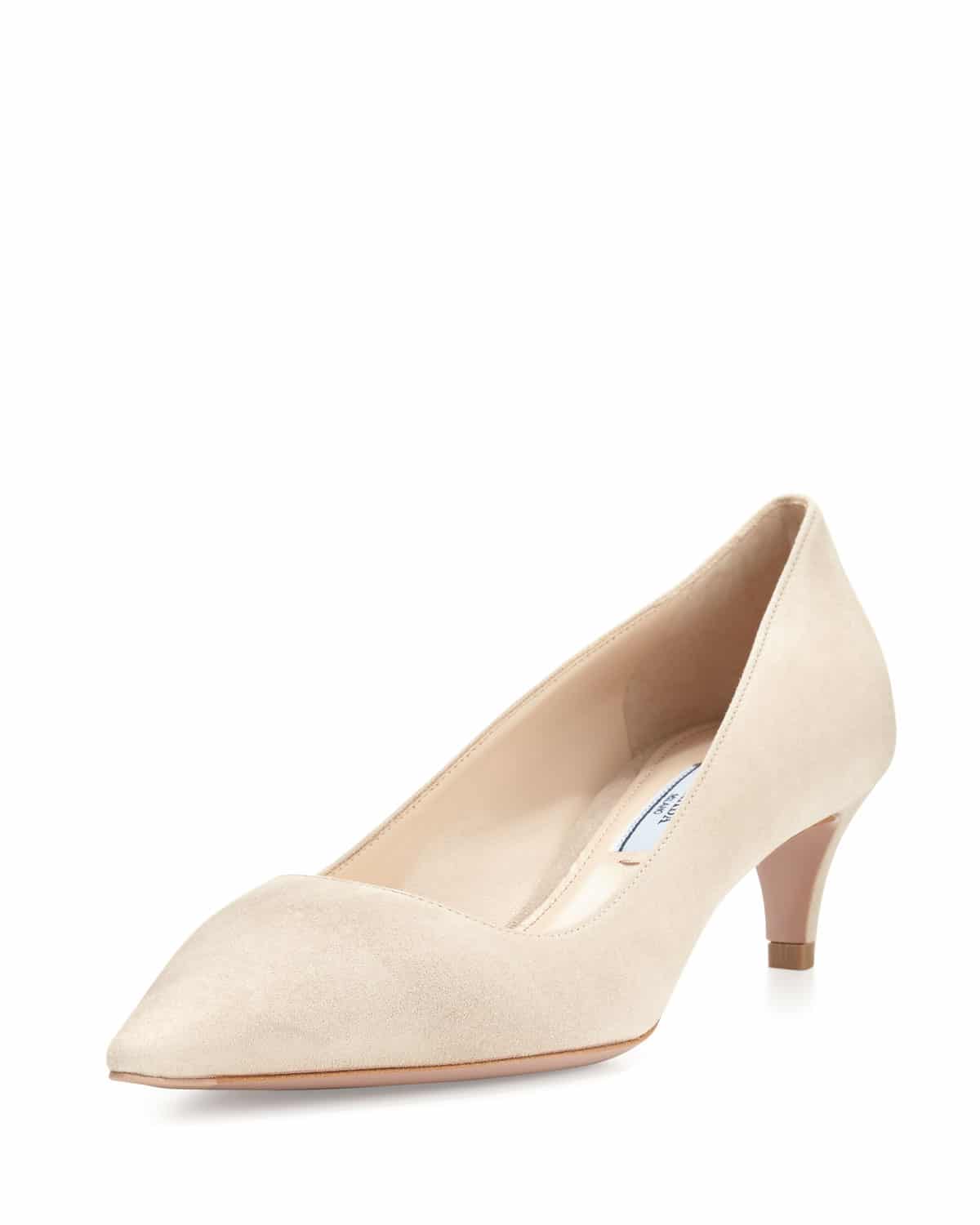 Image credits: pinterest.com[/caption]
The ideal style for your foot type is, for example, a pump in a soft nude shade. This color creates an "optical illusion of continuity" between the foot and the shoe, reducing additional shadows and bulk.
The case of a plump foot can also be helped here with the silicone heel cushion for heel spurs. The foot is lifted, gradually learning this natural stretching, learning the correct angle and acquiring more natural grace!
Image credits: pinterest.com[/caption]
The ideal style for your foot type is, for example, a pump in a soft nude shade. This color creates an "optical illusion of continuity" between the foot and the shoe, reducing additional shadows and bulk.
The case of a plump foot can also be helped here with the silicone heel cushion for heel spurs. The foot is lifted, gradually learning this natural stretching, learning the correct angle and acquiring more natural grace!
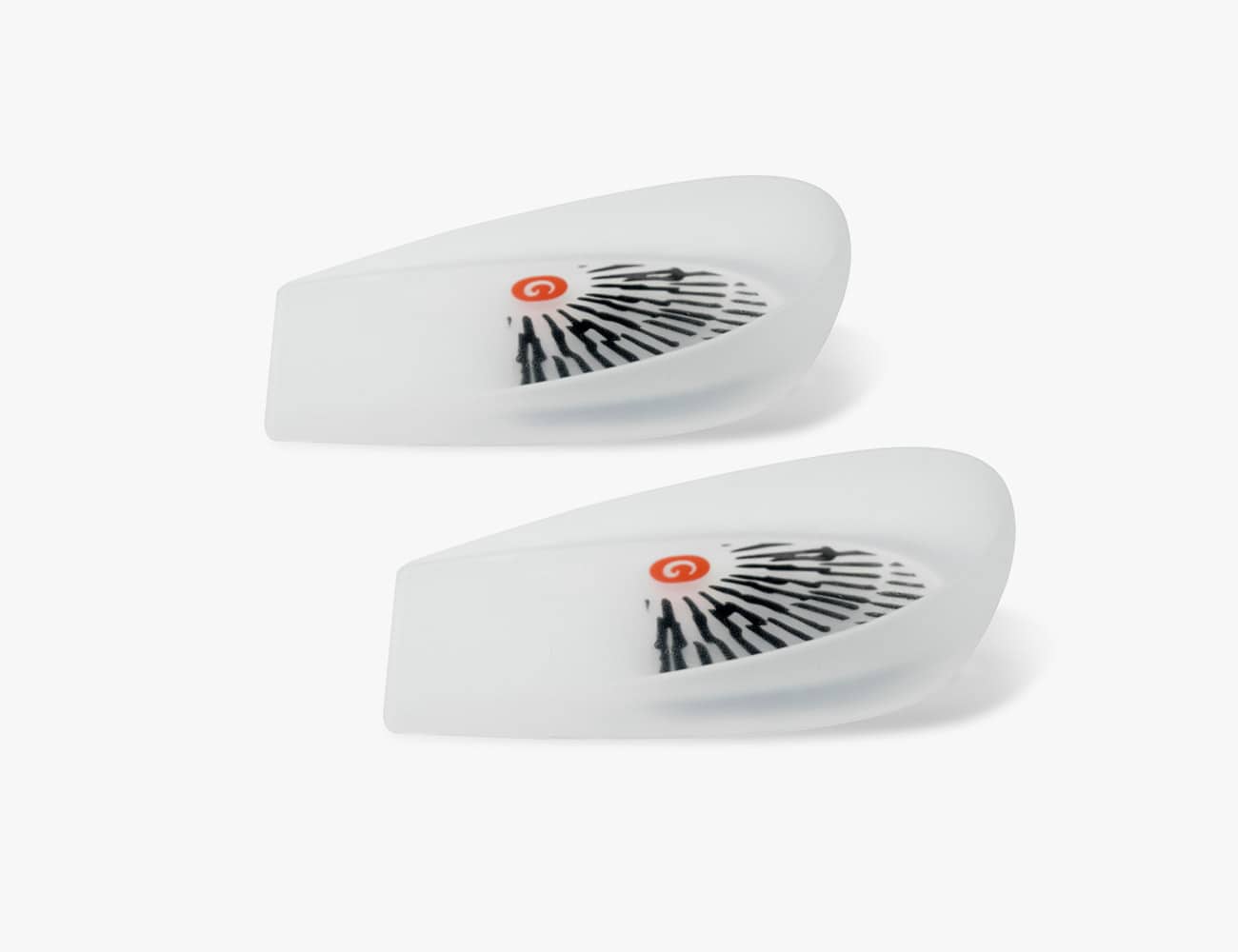
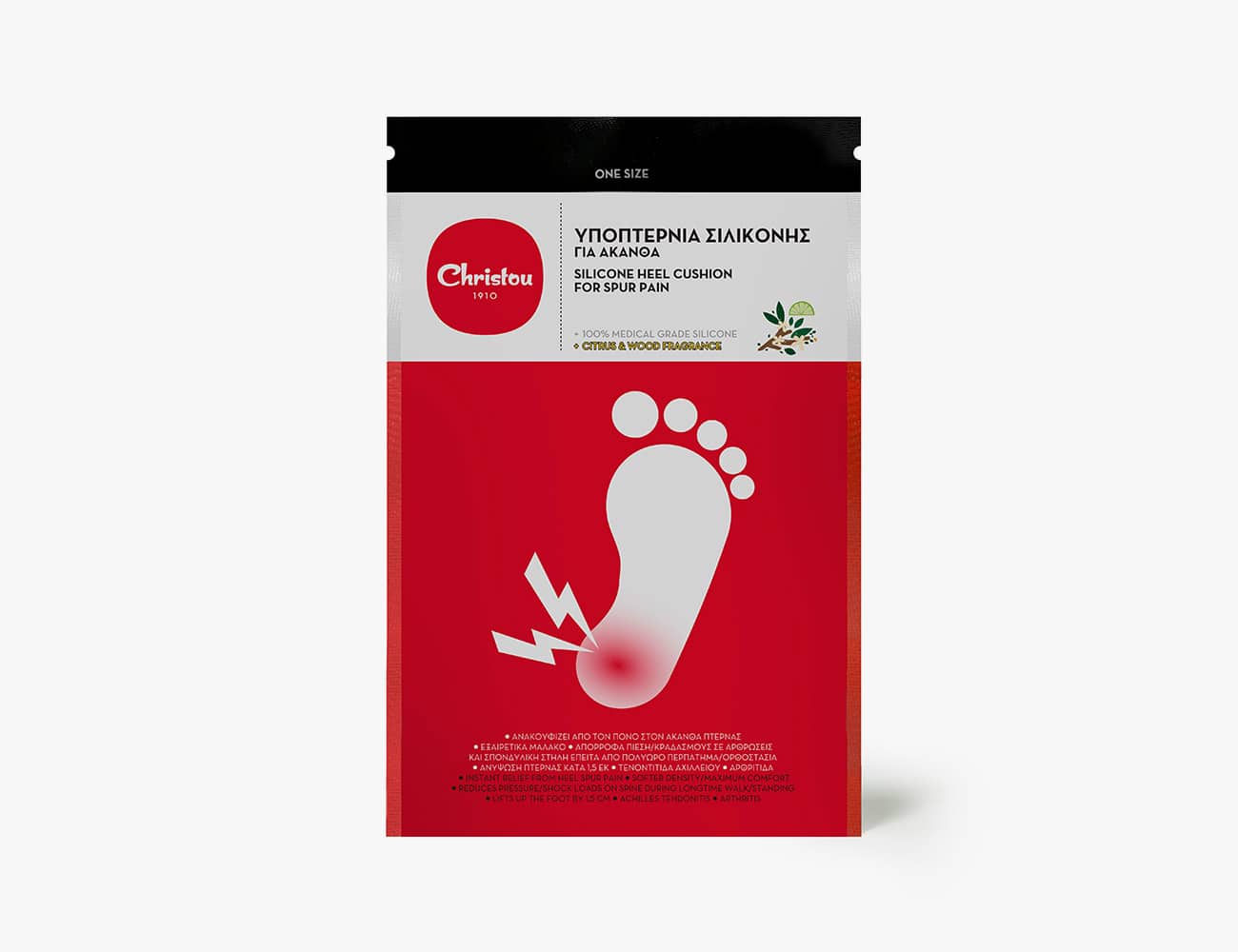
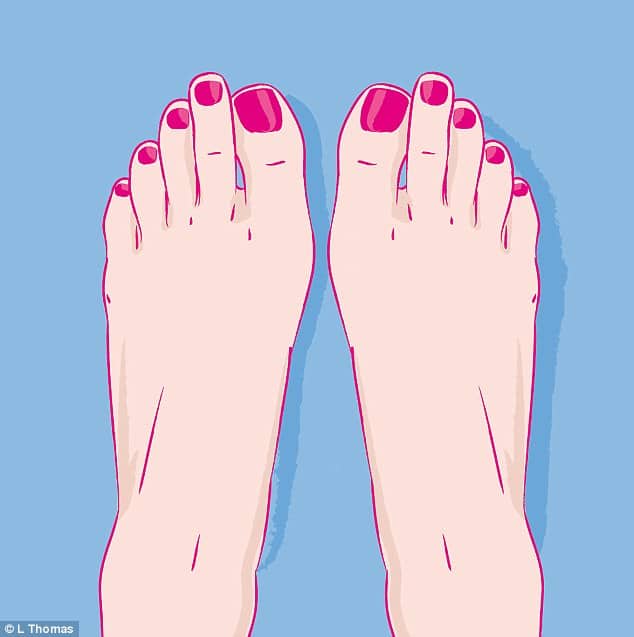 Image credits: dailymail.co.uk[/caption]
If your second toe is much longer than your big toe, then you have what is called a "Greek foot"! One in five people belongs to this morphological category! Most people don't like it aesthetically, especially with open-toed shoes and sandals, and some even go so far as to consider surgery. However, a long second toe is not unaesthetic; on the contrary, it significantly helps the big toe to function as it should!
The ideal shoe in this case is one that offers enough space for the second toe to move, and surprisingly, this is a pointed pump! The heel height is not binding; you can choose the one that serves you in the most comfortable way!
[caption id="attachment_4518" align="alignnone" width="206"]
Image credits: dailymail.co.uk[/caption]
If your second toe is much longer than your big toe, then you have what is called a "Greek foot"! One in five people belongs to this morphological category! Most people don't like it aesthetically, especially with open-toed shoes and sandals, and some even go so far as to consider surgery. However, a long second toe is not unaesthetic; on the contrary, it significantly helps the big toe to function as it should!
The ideal shoe in this case is one that offers enough space for the second toe to move, and surprisingly, this is a pointed pump! The heel height is not binding; you can choose the one that serves you in the most comfortable way!
[caption id="attachment_4518" align="alignnone" width="206"]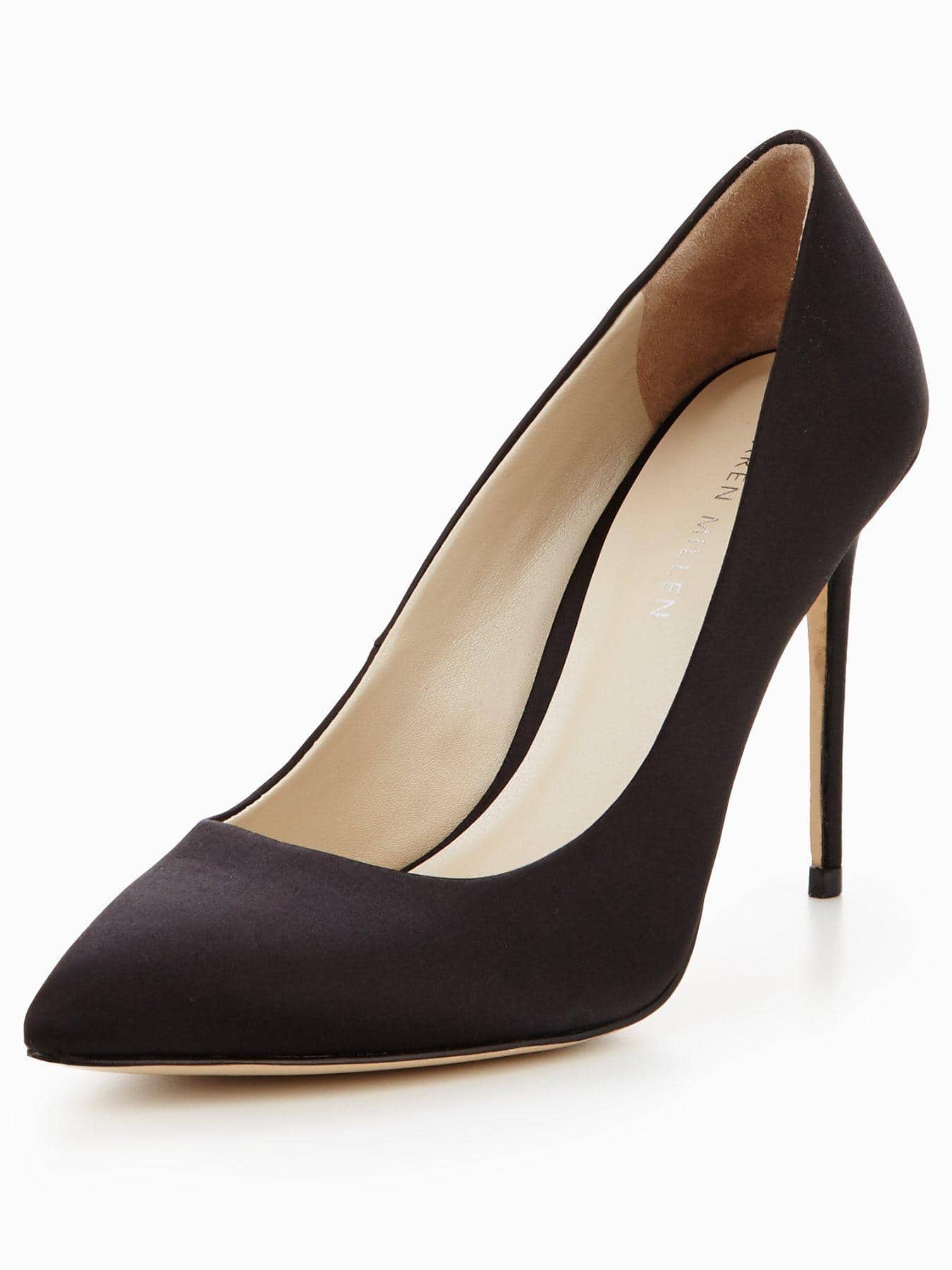 Image credits: pinterest.com[/caption]
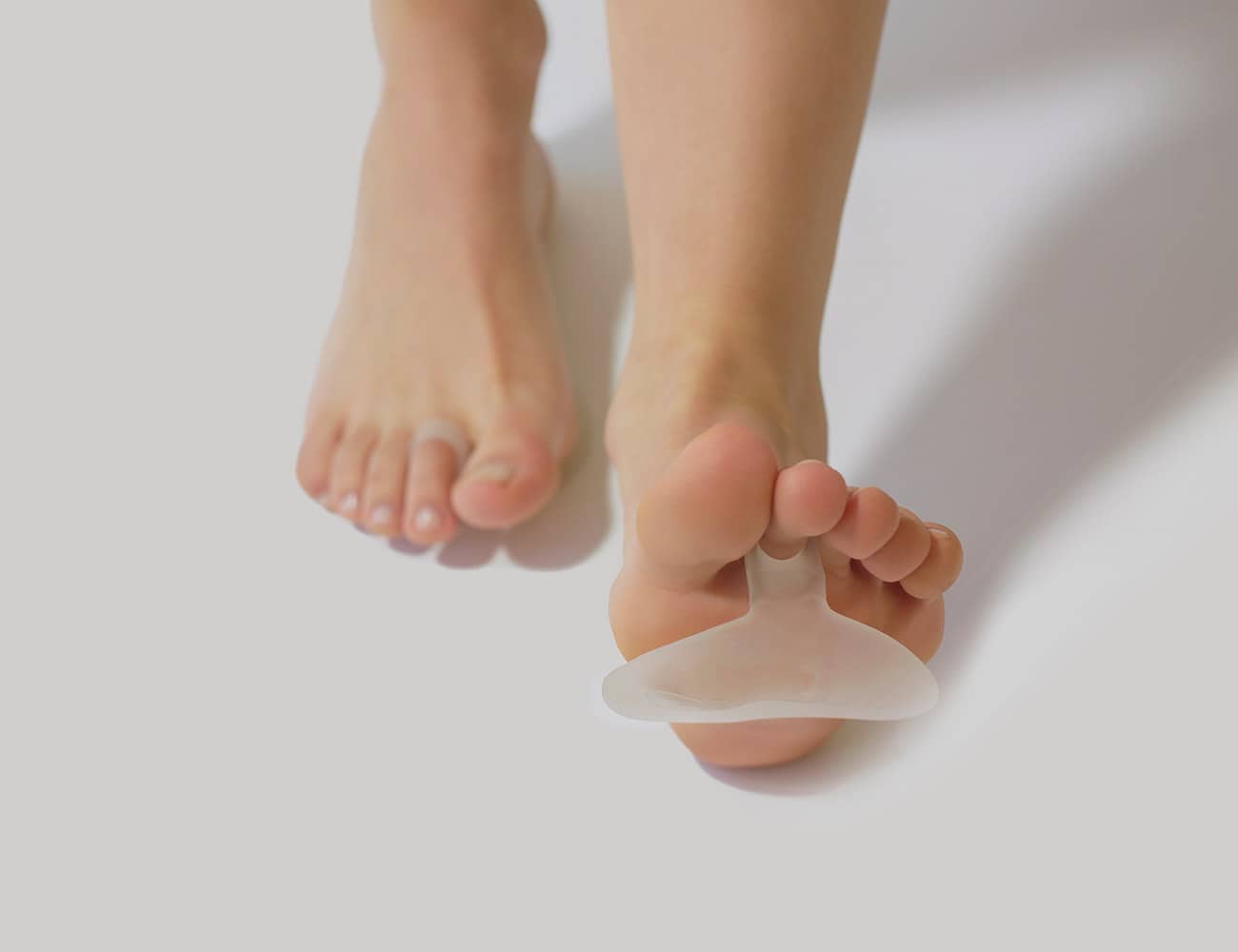
In any case, the toe separator with ring puts the toes in place, stretching them naturally, keeping them clearly separated and preventing them from overlapping!
Image credits: pinterest.com[/caption]
In any case, the toe separator with ring puts the toes in place, stretching them naturally, keeping them clearly separated and preventing them from overlapping!
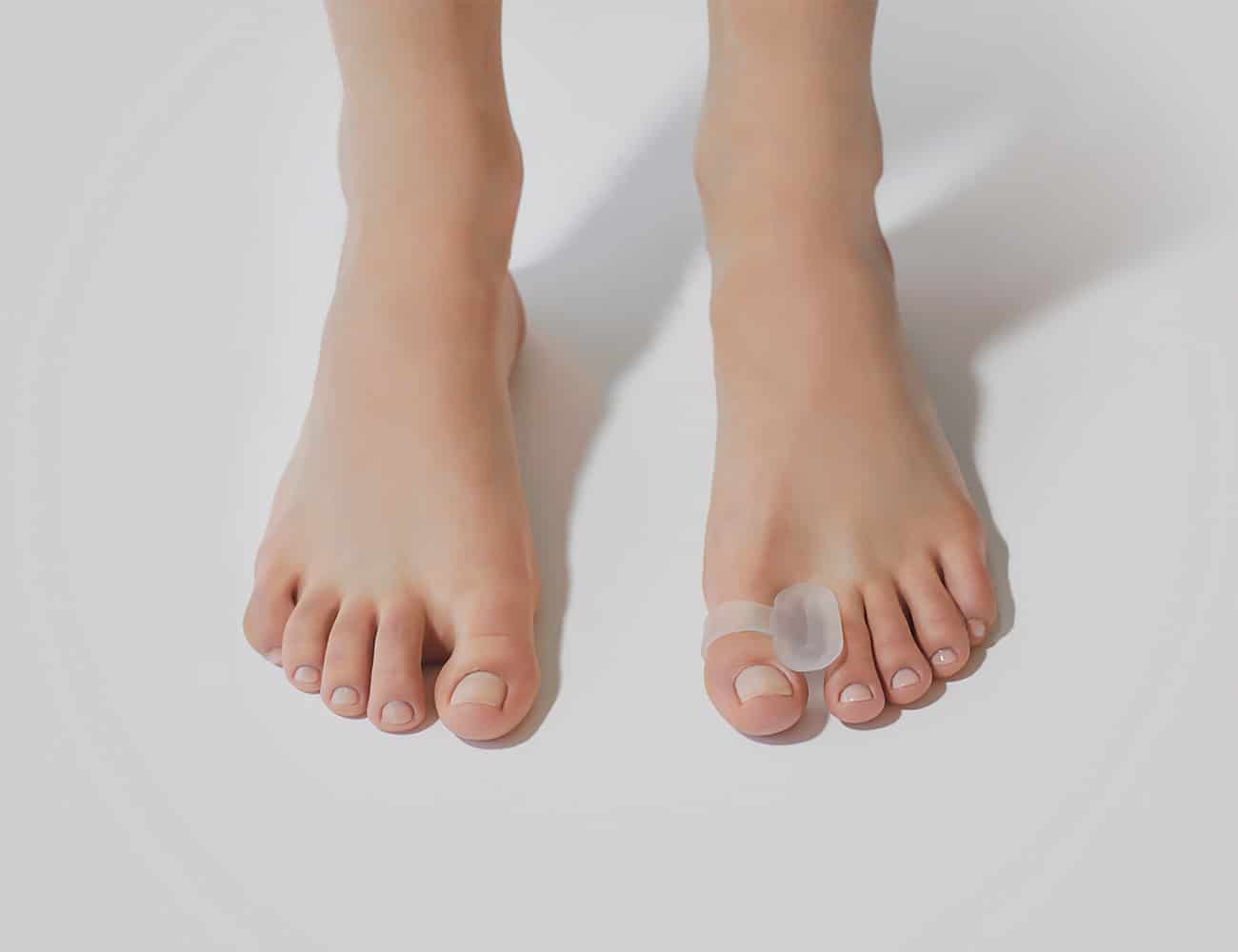
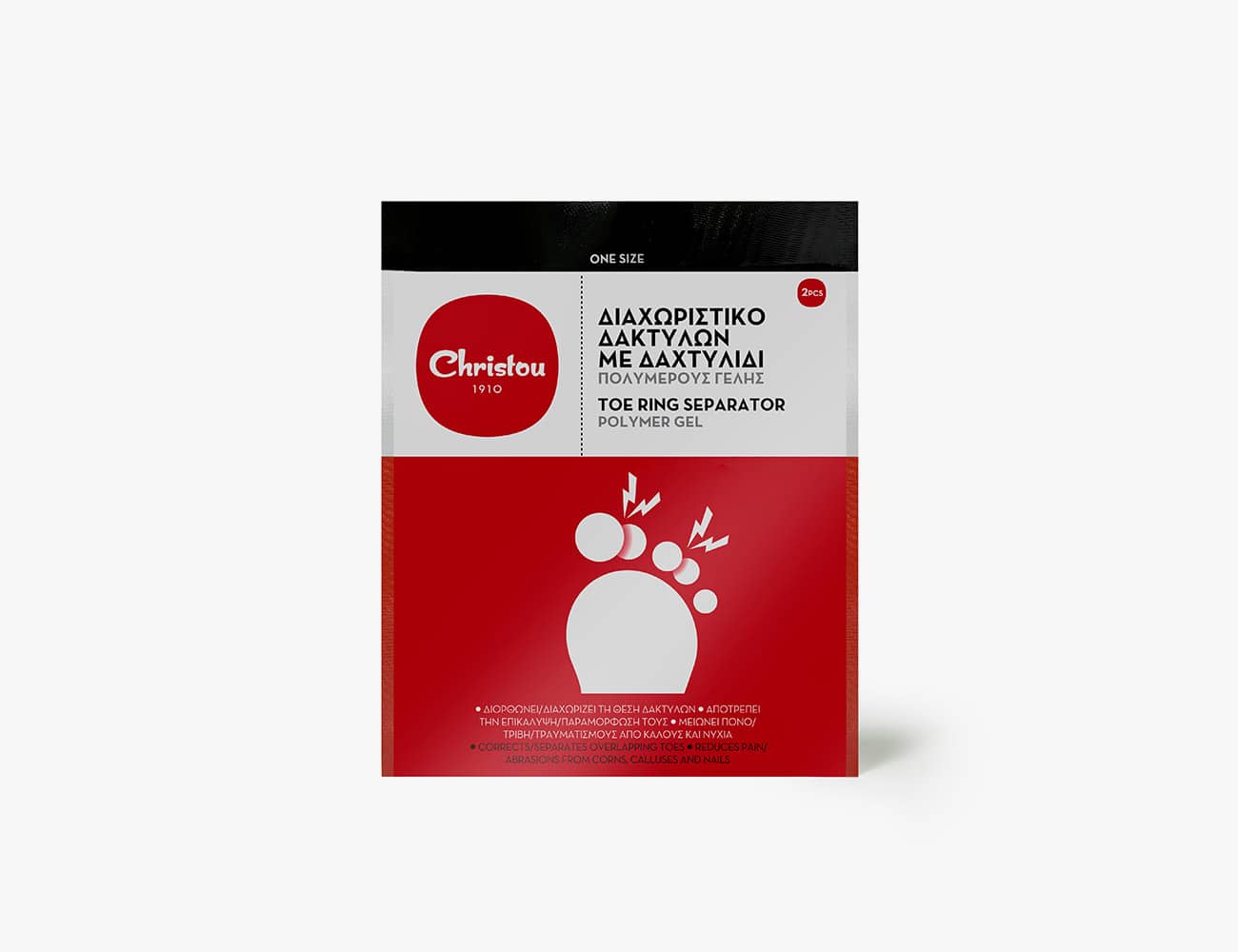
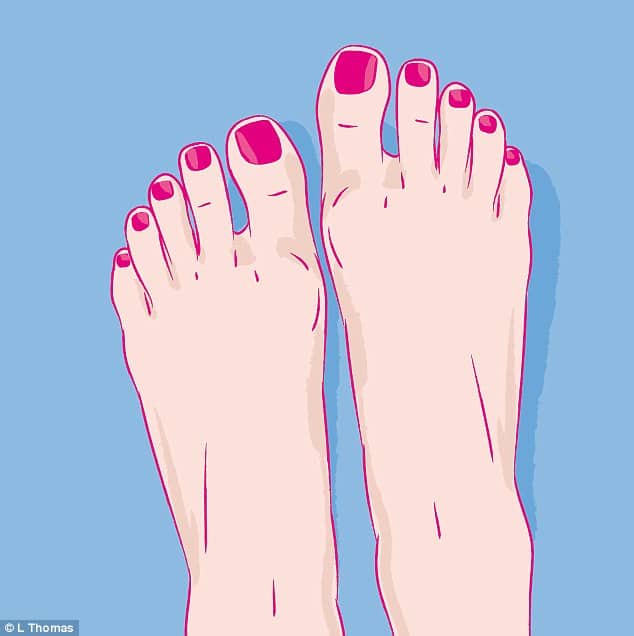 image credits: dailymail.co.uk[/caption]
No matter how elegant a very thin foot looks, it has more difficulty with proper shoe fit, as it doesn't conform, filling the shoe and slipping forward, leaving the back of the heel to "float". It usually manages to fit into half sizes, which are harder to find. Anatomically, this can also lead to adopting a bad habit, tightly bending or hunching the toes so that the shoe doesn't come off! Such a chronic condition can even lead to foot deformity!
The ideal shoes for delicate feet are those with a narrow fit and the ability to be tied or held with a buckle and strap, which embrace and hold the foot so that it doesn't come out of the shoe! Again, the heel doesn't play a decisive role in the proper fit.
[caption id="attachment_4399" align="alignnone" width="342"]
image credits: dailymail.co.uk[/caption]
No matter how elegant a very thin foot looks, it has more difficulty with proper shoe fit, as it doesn't conform, filling the shoe and slipping forward, leaving the back of the heel to "float". It usually manages to fit into half sizes, which are harder to find. Anatomically, this can also lead to adopting a bad habit, tightly bending or hunching the toes so that the shoe doesn't come off! Such a chronic condition can even lead to foot deformity!
The ideal shoes for delicate feet are those with a narrow fit and the ability to be tied or held with a buckle and strap, which embrace and hold the foot so that it doesn't come out of the shoe! Again, the heel doesn't play a decisive role in the proper fit.
[caption id="attachment_4399" align="alignnone" width="342"]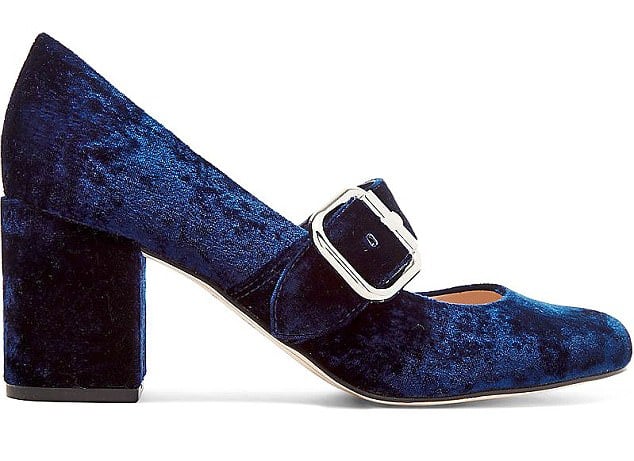 image credits: dailymail.co.uk[/caption]
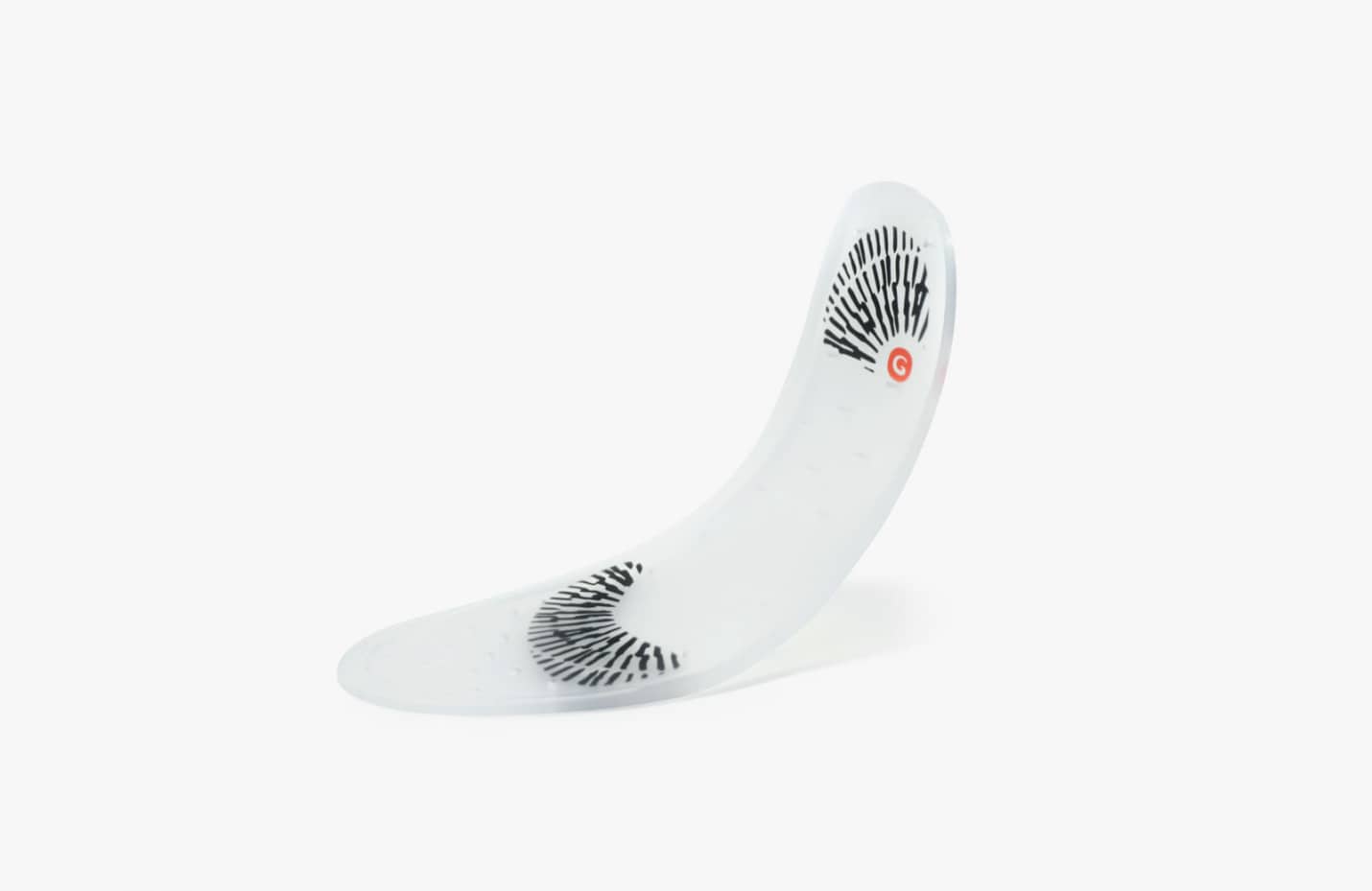
However, anatomical silicone insoles do! By lining the shoe with them, the excess space in the shoe is properly "filled", making walking much more comfortable and stable!
image credits: dailymail.co.uk[/caption]
However, anatomical silicone insoles do! By lining the shoe with them, the excess space in the shoe is properly "filled", making walking much more comfortable and stable!
 Because very thin feet do not fit easily and tend to lean forward, the toes can be injured more easily or even develop calluses. Another aid that covers the toes like a protective film, nourishes the skin and helps the body naturally shed hardening is the protective tube for calluses with organic essential oils. Its powerful healing action, volatile aromas from essential oils such as balm, mint, Atlas cedar, rosemary and maritime pine, and the feeling of daily freshness and coolness give the toes their most ZEN form!
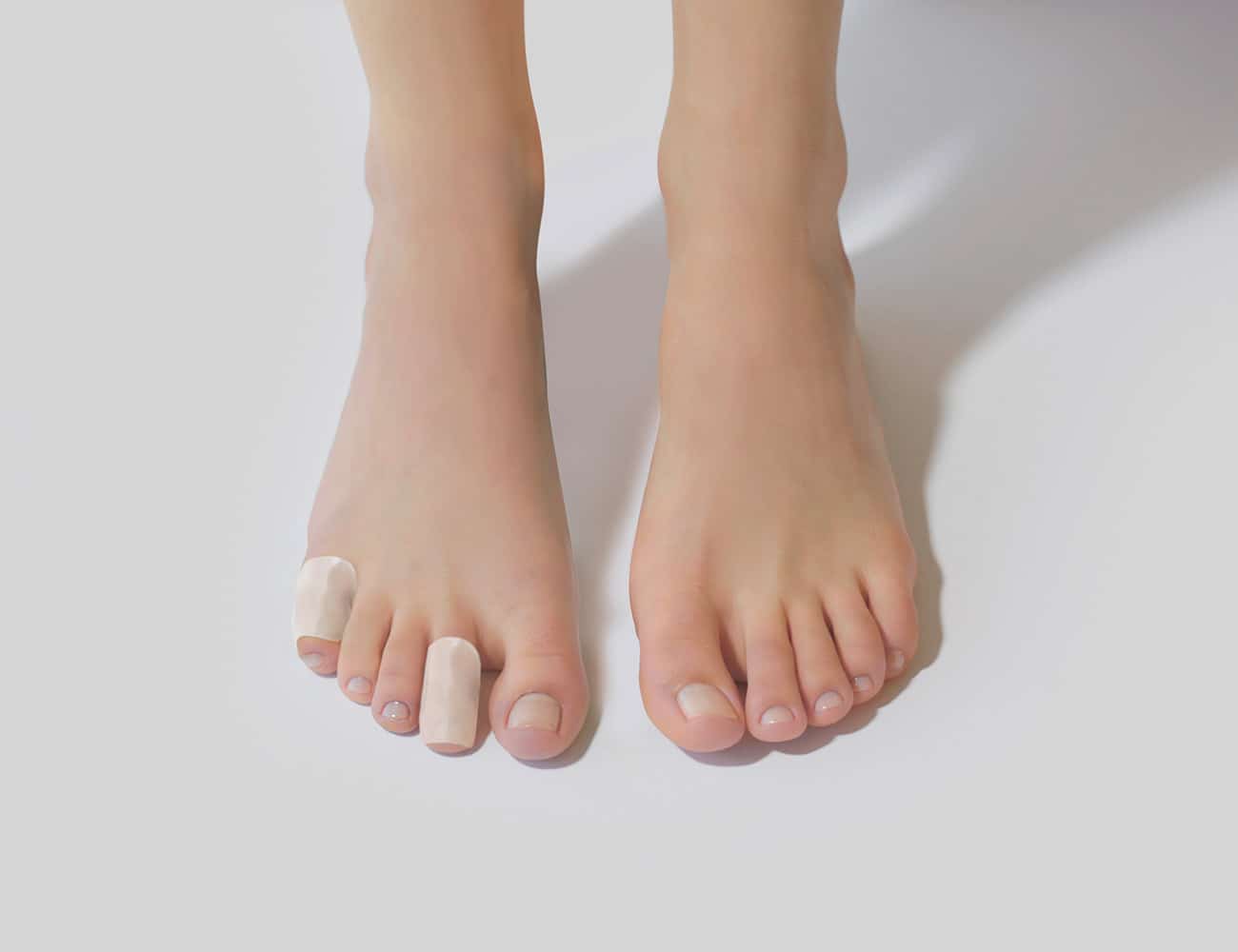
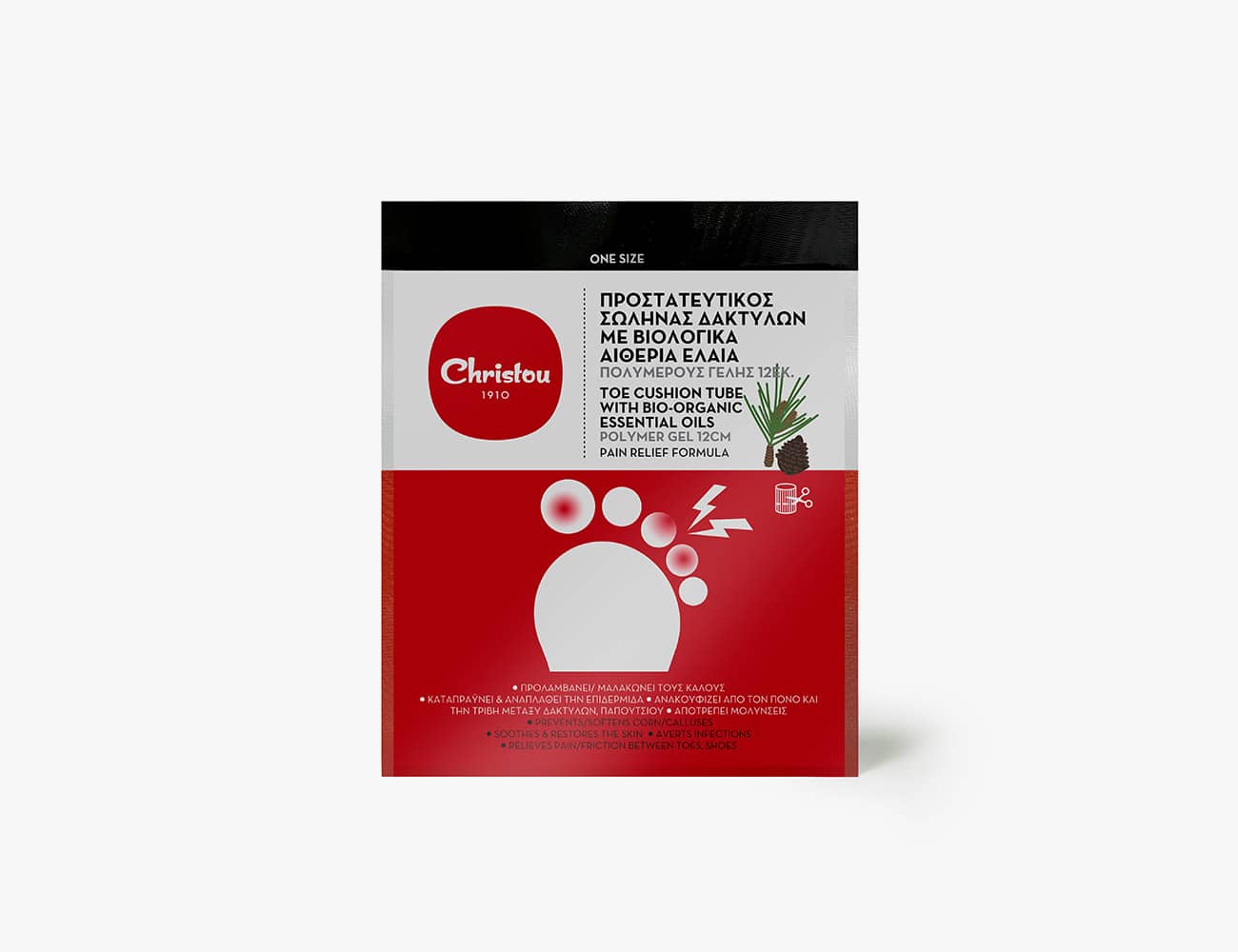
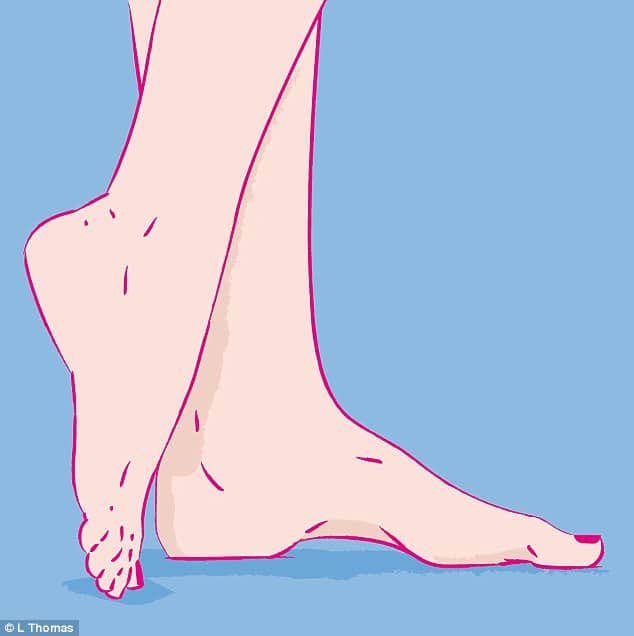 image credits: dailymail.co.uk[/caption]
If you struggle to put on and take off your shoes, then you probably have a high-arched foot, also known as pes cavus, which means that the middle part of your foot (or bridge) is very high and does not move. Aesthetically, it is much more attractive compared to a flat foot without this beautiful curve, however this means that too much weight is shifted to the metatarsus and heel of the foot.
To make sure you have this issue, you can observe your footprints in the sand! If you only see your toes and heel, then you belong to this category.
Slip-on shoes, although they seem easy to wear and comfortable, are not suitable in this case because you may still squeeze your toes in order for them to fit properly. Laced sneakers, which are easy to put on and then adjust as much as you want with Velcro or laces, are recommended for feet with a high arch.
[caption id="attachment_4405" align="alignnone" width="316"]
image credits: dailymail.co.uk[/caption]
If you struggle to put on and take off your shoes, then you probably have a high-arched foot, also known as pes cavus, which means that the middle part of your foot (or bridge) is very high and does not move. Aesthetically, it is much more attractive compared to a flat foot without this beautiful curve, however this means that too much weight is shifted to the metatarsus and heel of the foot.
To make sure you have this issue, you can observe your footprints in the sand! If you only see your toes and heel, then you belong to this category.
Slip-on shoes, although they seem easy to wear and comfortable, are not suitable in this case because you may still squeeze your toes in order for them to fit properly. Laced sneakers, which are easy to put on and then adjust as much as you want with Velcro or laces, are recommended for feet with a high arch.
[caption id="attachment_4405" align="alignnone" width="316"]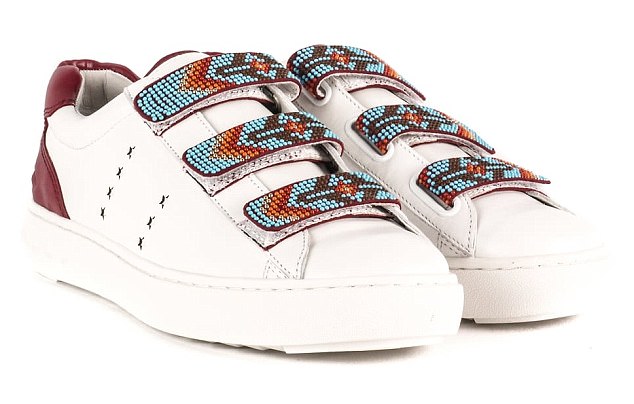 image credits: dailymail.co.uk[/caption]
To provide additional support to the foot, you can choose the metatarsal cushion with organic essential oils, which not only reduces friction on the metatarsus and acts protectively for the foot, relieving pain and burning sensation under the toes, but also moisturizes, soothes and regenerates the skin from hardenings and calluses thanks to the protective mixture of medical-grade essential oils it contains.
image credits: dailymail.co.uk[/caption]
To provide additional support to the foot, you can choose the metatarsal cushion with organic essential oils, which not only reduces friction on the metatarsus and acts protectively for the foot, relieving pain and burning sensation under the toes, but also moisturizes, soothes and regenerates the skin from hardenings and calluses thanks to the protective mixture of medical-grade essential oils it contains.
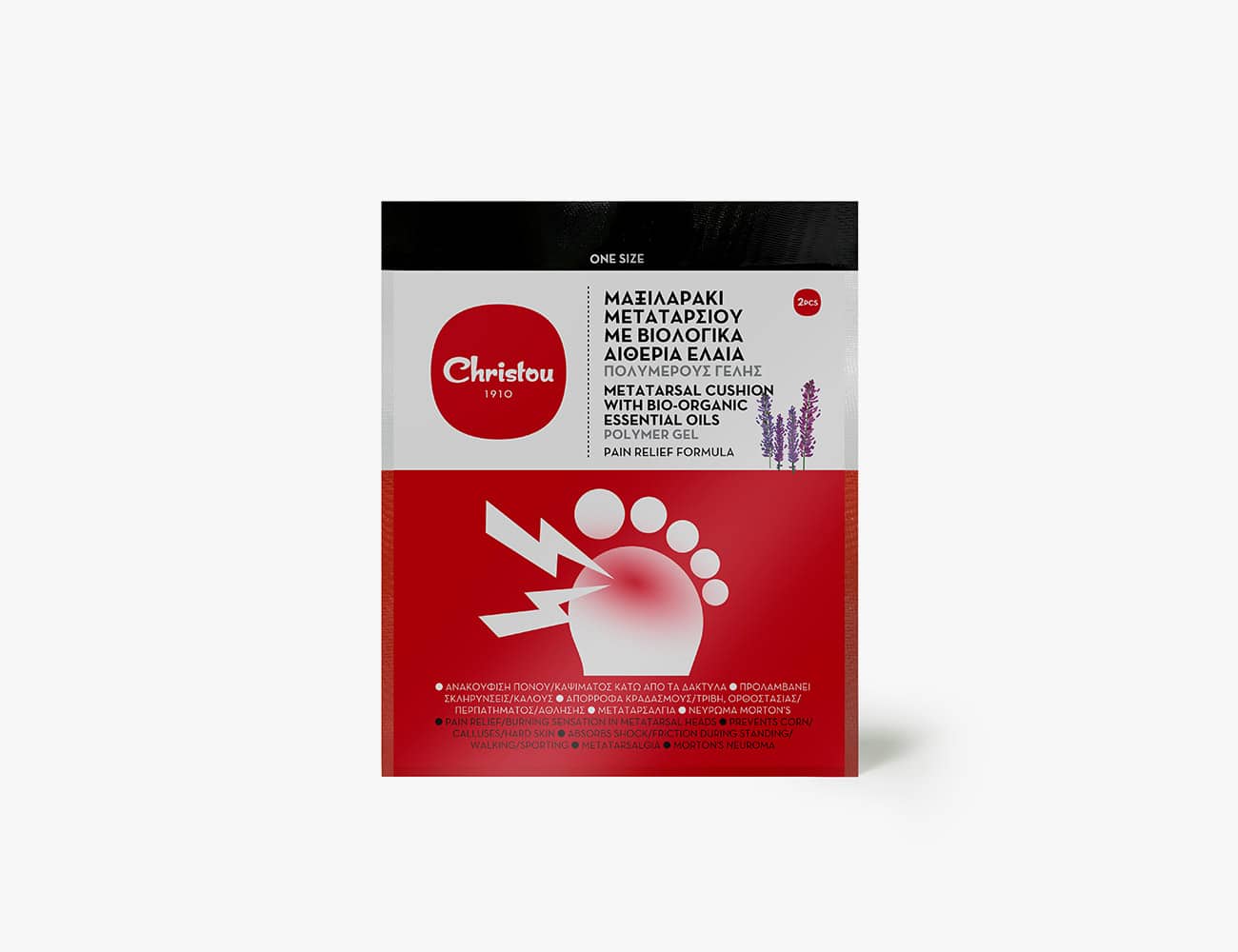 Additionally, the silicone heel cushion for heel spurs protects the heel from excessive weight and friction, offering a complete solution for the problem of a high arch in our foot!
 Do you feel your foot "shaking" and sinking as you walk?
This happens because you have flat feet or fallen arches, also known as pes planus.
The flexibility and suppleness of flat feet help you to "fit" them into any type of shoe, but you will need to avoid completely flat designs, unlike most foot types! A very flat foot, combined with a very flat shoe, can intensify pain in the tendons, joints and ligaments of the foot, as there is no support or elevation whatsoever.
Flat shoes force the foot with flat feet to turn outwards, leading to the so-called duck walk, with short and somewhat jerky steps. A frequent phenomenon is pain that starts from the sole of the foot, extends throughout the leg, reaching up to the waist, due to repeated muscle tension.
But, even if you don't wear flat shoes, the foot can still turn inwards, creating an uneven sinking in the shoe.
Shoes with a kitten heel, at least half a centimeter high, properly elevate the foot and hold it in place, preventing excessive swaying and improving gait.
[caption id="attachment_4413" align="alignnone" width="360"]
Do you feel your foot "shaking" and sinking as you walk?
This happens because you have flat feet or fallen arches, also known as pes planus.
The flexibility and suppleness of flat feet help you to "fit" them into any type of shoe, but you will need to avoid completely flat designs, unlike most foot types! A very flat foot, combined with a very flat shoe, can intensify pain in the tendons, joints and ligaments of the foot, as there is no support or elevation whatsoever.
Flat shoes force the foot with flat feet to turn outwards, leading to the so-called duck walk, with short and somewhat jerky steps. A frequent phenomenon is pain that starts from the sole of the foot, extends throughout the leg, reaching up to the waist, due to repeated muscle tension.
But, even if you don't wear flat shoes, the foot can still turn inwards, creating an uneven sinking in the shoe.
Shoes with a kitten heel, at least half a centimeter high, properly elevate the foot and hold it in place, preventing excessive swaying and improving gait.
[caption id="attachment_4413" align="alignnone" width="360"]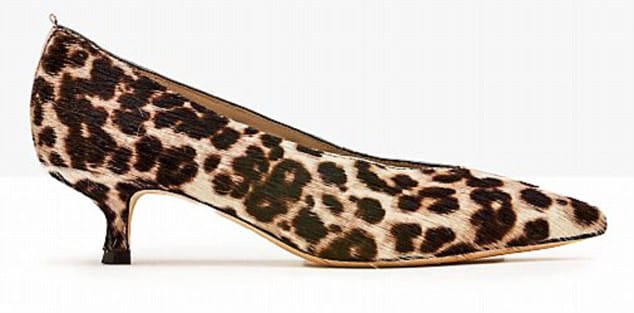 image credits: dailymail.co.uk[/caption]
It goes without saying that especially for this case, arch support with anatomical insoles is essential... That's why anatomical insoles with 100% pure medical grade silicone are a very important addition to every pair of your shoes, absorbing shocks and pressure and protecting against any injuries.
image credits: dailymail.co.uk[/caption]
It goes without saying that especially for this case, arch support with anatomical insoles is essential... That's why anatomical insoles with 100% pure medical grade silicone are a very important addition to every pair of your shoes, absorbing shocks and pressure and protecting against any injuries.
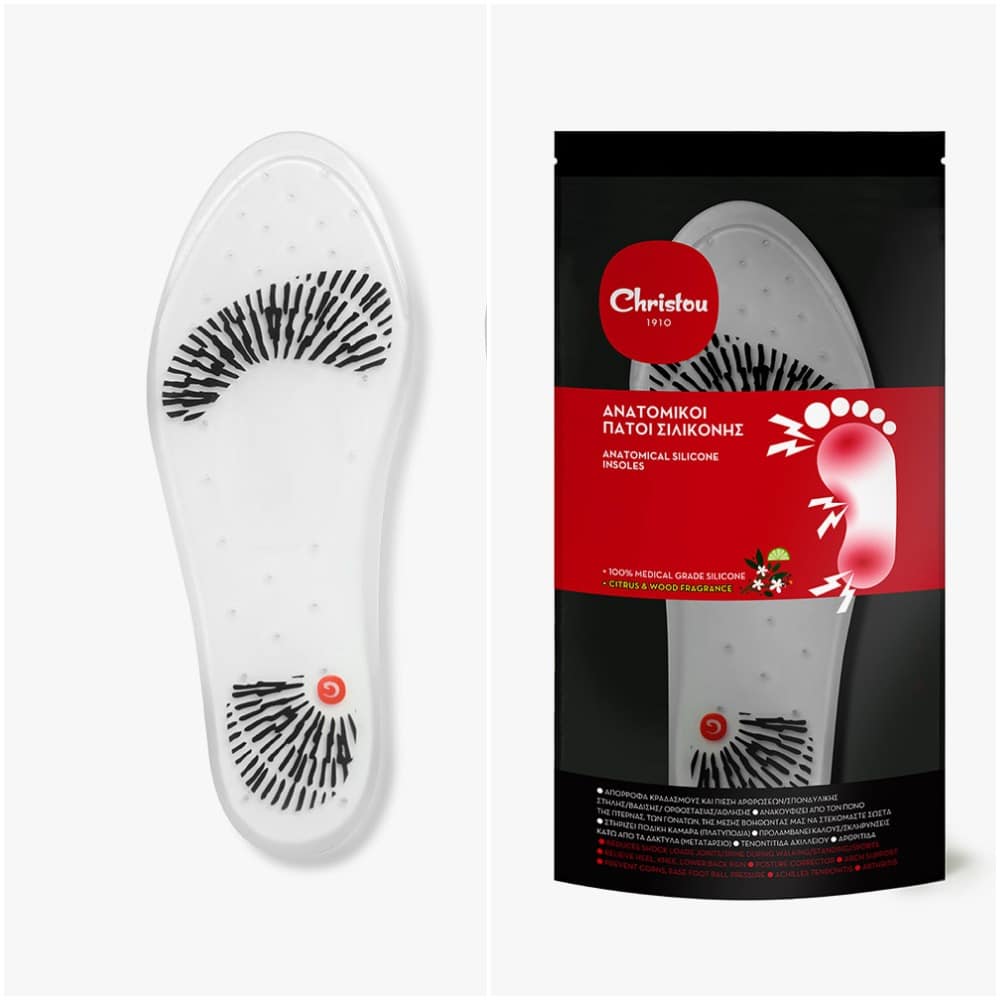
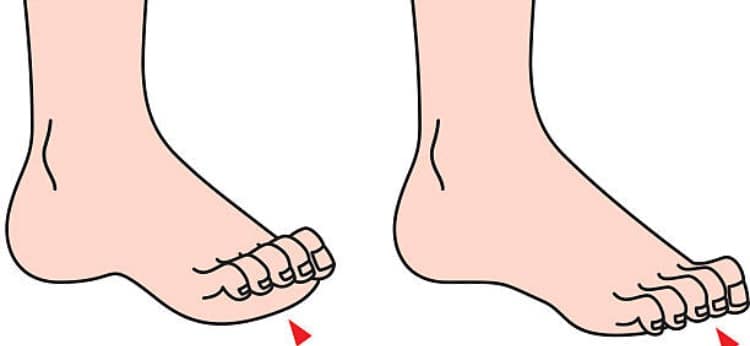 image credits: istock[/caption]
A case not mentioned in the Daily Mail test is that of hammertoe. Hammertoe or hallux malleus, is a deformity of the proximal interphalangeal joint of the second, third or fourth toe, which causes its permanent bending, thus resembling a hammer.
The problem occurs more frequently in the second toe. Often, a bunion has previously developed on the big toe, forcing it to turn inwards. This then begins to put greater pressure on the second toe, pushing it into curvature.
In this case, loose slip-ons with elastic side walls or wide ankle boots allow the toes to move and not be restricted, in contrast to pointed pumps which are forbidden!
[caption id="attachment_4417" align="alignnone" width="303"]
image credits: istock[/caption]
A case not mentioned in the Daily Mail test is that of hammertoe. Hammertoe or hallux malleus, is a deformity of the proximal interphalangeal joint of the second, third or fourth toe, which causes its permanent bending, thus resembling a hammer.
The problem occurs more frequently in the second toe. Often, a bunion has previously developed on the big toe, forcing it to turn inwards. This then begins to put greater pressure on the second toe, pushing it into curvature.
In this case, loose slip-ons with elastic side walls or wide ankle boots allow the toes to move and not be restricted, in contrast to pointed pumps which are forbidden!
[caption id="attachment_4417" align="alignnone" width="303"]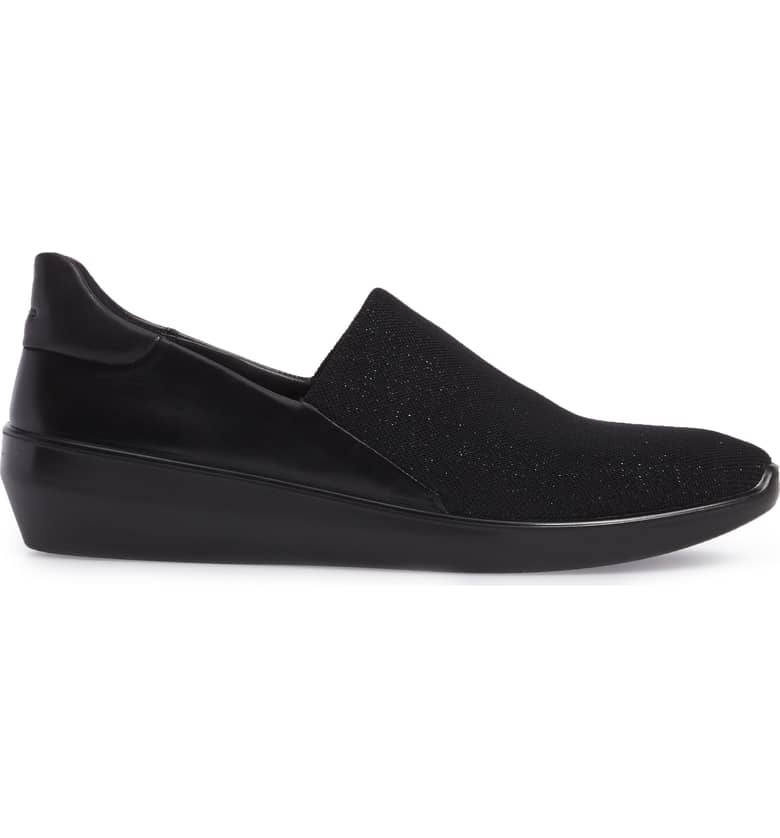 image credits: nordstrom.com[/caption]
The hammertoe cushion by Christou1910 slips onto each toe, putting them back in place! It not only relieves bent toes, but also "trains" them to maintain their correct position. Continuous use of the aid can have a corrective effect on the feet, and even improve their appearance in the long term.
image credits: nordstrom.com[/caption]
The hammertoe cushion by Christou1910 slips onto each toe, putting them back in place! It not only relieves bent toes, but also "trains" them to maintain their correct position. Continuous use of the aid can have a corrective effect on the feet, and even improve their appearance in the long term.
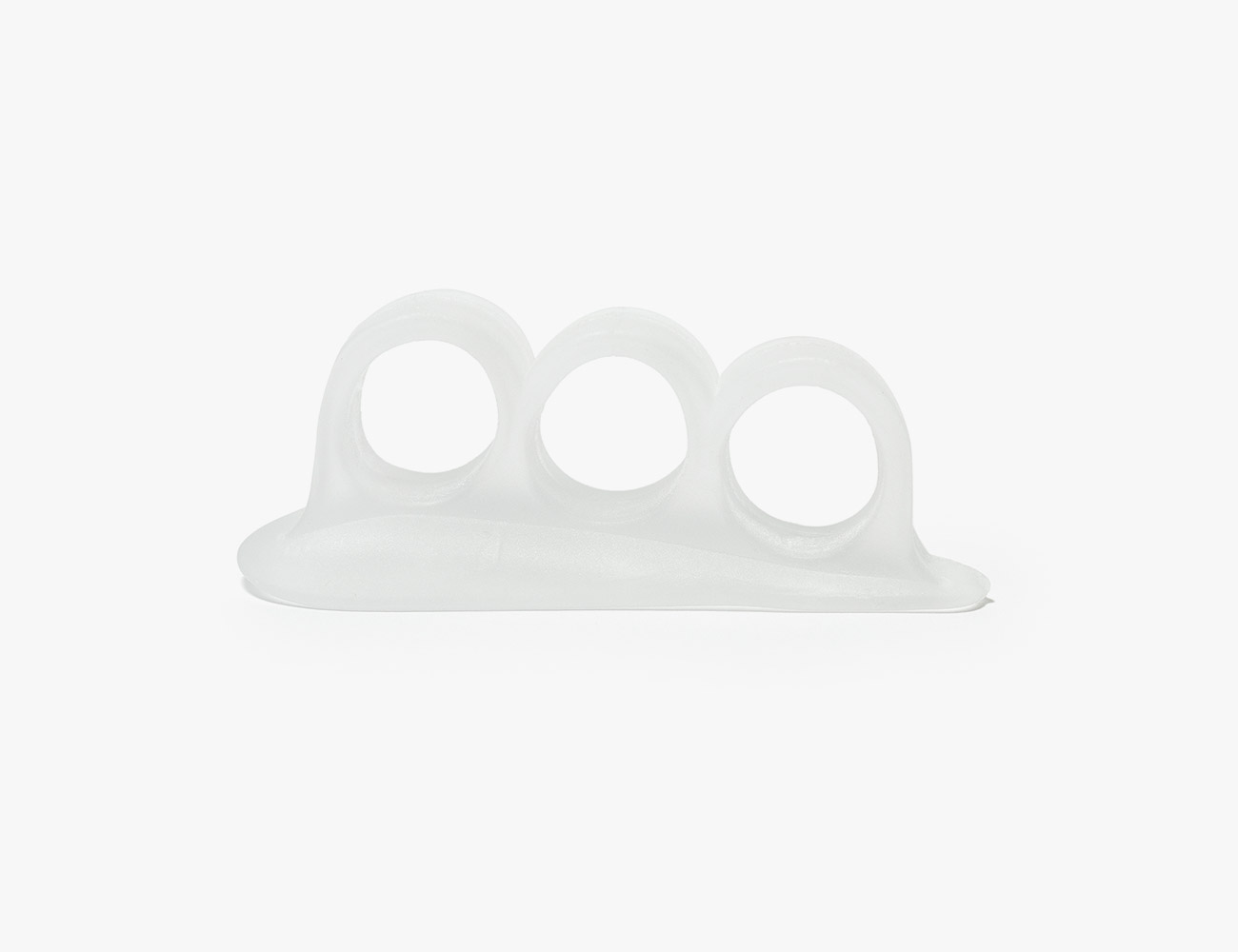
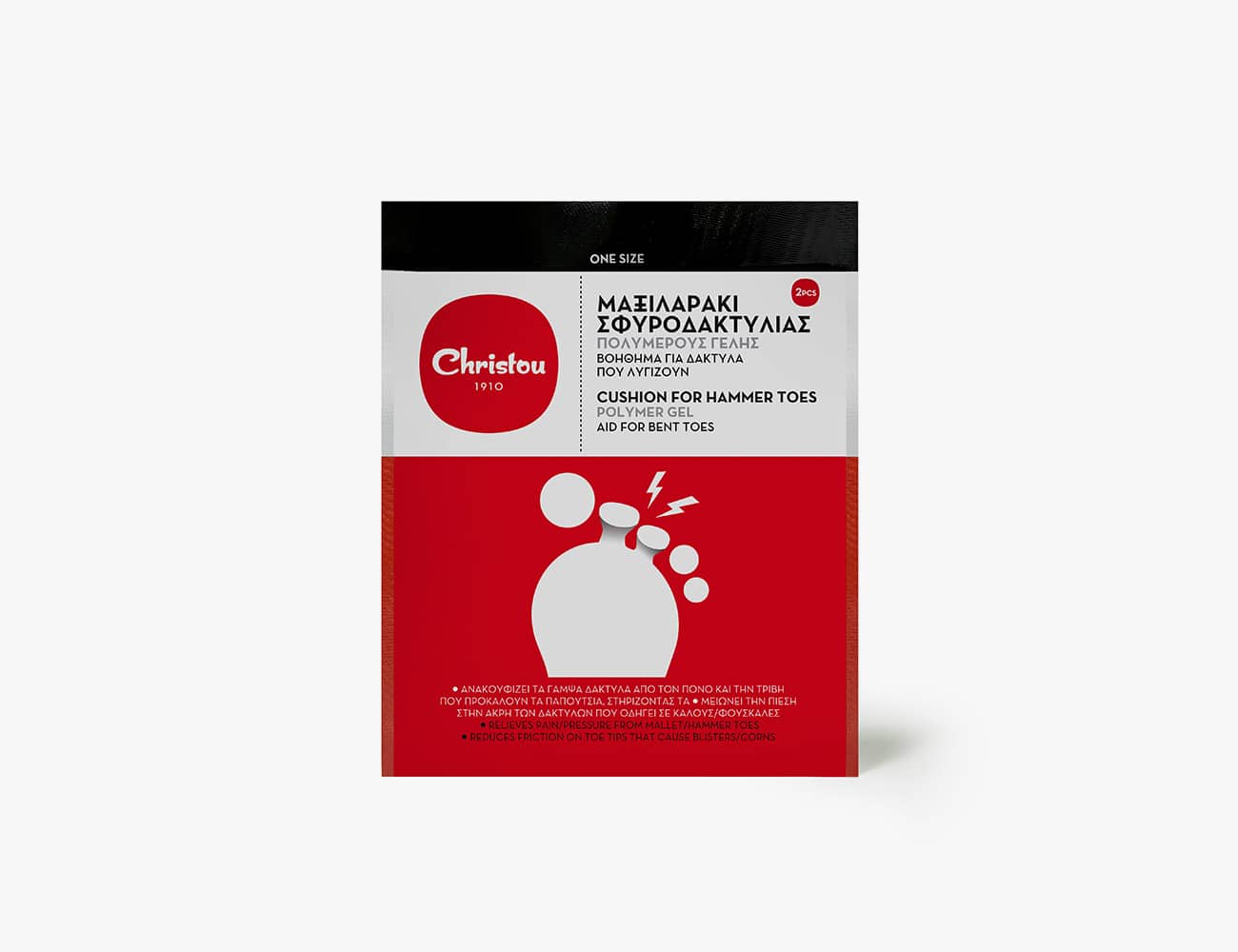
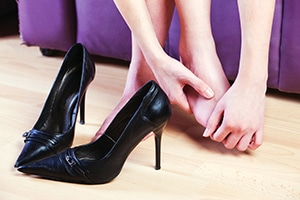 image credits: askdoctorK.com[/caption]
Whatever your foot type, you should always take off your shoes as soon as you get home and do small stretching exercises that help your toes stretch and return to their normal position.
Especially for unrepentant high-heeled lovers, the Spine Health Institute in America stresses that high heels put excessive weight on the knees, push the lower back and hips out of their correct position for balance, weaken the calf muscles over time, and provide no support at all to the vulnerable ankle tendons and ligaments in case of a fall.
For this reason, it is good to alternate our shoe routine during the week with flats, sneakers and ballet flats, depending on what suits our foot type.
Whatever the Cinderella test showed, in addition to a stylish new pair of shoes, you should also choose the appropriate foot care, opting for a must-have pair of anatomical insoles, or the digital aid you need.
Take care of your feet as you care for your face; they may not show, but they take us everywhere!
On your regular shopping trip to Sklavenitis, My Market, Thanopoulos, Chalkiadakis supermarkets, as well as at the most up-to-date Concept Pharmacies (see the list here), find these essential additions for your shoes at Christou1910's health corner in the cosmetics section and get ready for the most carefree walk!
image credits: askdoctorK.com[/caption]
Whatever your foot type, you should always take off your shoes as soon as you get home and do small stretching exercises that help your toes stretch and return to their normal position.
Especially for unrepentant high-heeled lovers, the Spine Health Institute in America stresses that high heels put excessive weight on the knees, push the lower back and hips out of their correct position for balance, weaken the calf muscles over time, and provide no support at all to the vulnerable ankle tendons and ligaments in case of a fall.
For this reason, it is good to alternate our shoe routine during the week with flats, sneakers and ballet flats, depending on what suits our foot type.
Whatever the Cinderella test showed, in addition to a stylish new pair of shoes, you should also choose the appropriate foot care, opting for a must-have pair of anatomical insoles, or the digital aid you need.
Take care of your feet as you care for your face; they may not show, but they take us everywhere!
On your regular shopping trip to Sklavenitis, My Market, Thanopoulos, Chalkiadakis supermarkets, as well as at the most up-to-date Concept Pharmacies (see the list here), find these essential additions for your shoes at Christou1910's health corner in the cosmetics section and get ready for the most carefree walk!

Dr. Emma Supple[/caption]
Foot types
We all recognize that the human body comes in different shapes and sizes. We forget, however, that the diversity in our "construction" also applies to our feet, which are just as unique with different needs and sensitivities! The shape and anatomy of the foot, as is natural, also determine the type of shoe that suits us, without symptoms of pain and discomfort. Let's see, then, the type that corresponds to each, according to the test!- Model foot!
image credits: daily mail.co.uk[/caption]
Is your big toe longer than the second one? Do the other toes have the perfect downward slope, without bending or hunching? Does the arch of your foot resemble a dancer's and are you often complimented on your beautiful feet?
Then you are lucky enough to belong to the very rare category of the foot with rectus morphology, meaning the absolutely normal foot, without any kind of deformity. This category, although theoretically "normal", is rarely encountered as we all have inherited some small peculiarity in our feet, which needs proper support!
Although there are not many restrictions, the appropriate type of shoe for your feet is:
Shoes with a low but thick square heel are the most helpful, although they should be alternated with different styles so that the same pressure points on the foot are not repeatedly exerted.
'50s style shoes with the round toe and durable heel, properly support the heel, so you can stay stylish, without feeling excessive fatigue.
[caption id="attachment_4357" align="alignnone" width="322"] image credits: daily mail.co.uk[/caption]
Supple recommends the "trouser rule". That is, we wear our comfortable, low shoes, carefully hidden under the cuffs of our trousers, and our stylish high heels with our airy dresses and skirts!
And because, no matter how ideal your foot is, it also needs its protection, we suggest you "dress" your shoes with Christou1910's anatomical silicone insoles with 100% pure medical grade silicone. The hypoallergenic insoles are very easy to wear with any type of shoe, offering support to the 3 main points of the foot: the heel, the arch and the metatarsus. The insoles absorb shocks and increased pressure from the entire body weight on the feet, preventing calluses, hardening and keeping you more comfortable and rested even after hours of standing.
- Ouch! Bunion alert
image credits: dailymail.co.uk[/caption]
Have you been affected by this annoying and painful bump called a bunion at the base of your big toe? A bunion or hallux valgus, in medical terminology, is a small, protruding bone that can appear on any type of foot, whether thin or thick, and is usually associated with hereditary factors. Bunions can appear in childhood, or later in our adult life, relatively early, from the age of 20.
If the bunion causes severe pain in the ligaments of the foot, then surgical removal is preferable. Most, however, experience only a limited degree of pain, as the foot extends beyond the bunion.
Wider and more comfortable shoes, as expected, better support the foot with this problem. Avoid pointed shoes with hard seams that can put more pressure on the foot joints. In the summer months, "salsa type" shoes, i.e. low, open sandals with a small heel, allow the foot to breathe without looking dull. The toes are able to move without being constricted and the weight is shifted to the heel, relieving pressure from the painful area. For the winter months, a loose ankle boot made of soft suede with a rounded toe and square heel is suitable so as not to restrict the big toe area.
[caption id="attachment_4513" align="alignnone" width="291"] Image credits: pinterest.com[/caption]
However, since no matter what shoe you choose, the pain will not be completely eliminated, you can protect the painful area in the most natural and therapeutic way.
Christou1910's bunion cushion is a soft aid that aligns the big toe and prevents the toes from "crossing". By creating a protective layer over the protruding bone, it reduces pressure and friction from the shoe and relieves the painful area. The cushion has a unique innovation: a therapeutic combination of medical-grade organic essential oils, with analgesic, healing and anti-inflammatory action that soothes the bunion and leaves the foot soft and cool, in its correct position!
- Untamed big toe!
image credits: dailymail.co.uk[/caption]
Stiff big toe? And yet, it's more common than you think. Many times we walk and our big toe remains in its inflexible position.
This functional problem, in medical terminology, is called functional hallux limitus (FHL) or hallux rigidus, to describe this incorrect posture of the big toe. This problem, in turn, is hereditary. Those who have this tendency usually get more tired when walking on hard, flat surfaces for a long time.
The ideal shoe for this problem is a small wedge or a laced brogue shoe. If you pick up a shoe and, by shaking it, you see that its tip is very soft and pliable and retracts easily, then do not choose it. Shoes with a thin sole do not protect the foot and will "force" the big toe to bend, which is not correct. The appropriate shoe has a hard, durable sole so that it does not bend easily on hard, flat surfaces and a low heel, about 2.5 cm.
[caption id="attachment_4375" align="alignnone" width="371"] image credits: dailymail.co.uk[/caption]
In this case, you can also choose anatomical insoles or, to enhance the elevated arch of the foot, just like small platforms do, add a silicone heel cushion for heel spurs to your heel. Inappropriate shoes and prolonged standing have already strained your foot and need a small soft layer that absorbs friction and shocks and offers greater flexibility! Smart Tip: They also make you 1.5 cm taller! ;)
- The... Hobbit foot!
image credits: dailymail.co.uk[/caption]
It's not a shame to have a slightly chubbier or wider foot! Some women prefer to squeeze their feet into smaller shoe sizes to make them look more elegant! You can simply choose a style that gives the impression of slimmer limbs. Avoid clunky sneakers and platform shoes with huge soles!
[caption id="attachment_4516" align="alignnone" width="219"] Image credits: pinterest.com[/caption]
The ideal style for your foot type is, for example, a pump in a soft nude shade. This color creates an "optical illusion of continuity" between the foot and the shoe, reducing additional shadows and bulk.
The case of a plump foot can also be helped here with the silicone heel cushion for heel spurs. The foot is lifted, gradually learning this natural stretching, learning the correct angle and acquiring more natural grace!
- The long second toe
Image credits: dailymail.co.uk[/caption]
If your second toe is much longer than your big toe, then you have what is called a "Greek foot"! One in five people belongs to this morphological category! Most people don't like it aesthetically, especially with open-toed shoes and sandals, and some even go so far as to consider surgery. However, a long second toe is not unaesthetic; on the contrary, it significantly helps the big toe to function as it should!
The ideal shoe in this case is one that offers enough space for the second toe to move, and surprisingly, this is a pointed pump! The heel height is not binding; you can choose the one that serves you in the most comfortable way!
[caption id="attachment_4518" align="alignnone" width="206"] Image credits: pinterest.com[/caption]
In any case, the toe separator with ring puts the toes in place, stretching them naturally, keeping them clearly separated and preventing them from overlapping!
- The delicate foot
image credits: dailymail.co.uk[/caption]
No matter how elegant a very thin foot looks, it has more difficulty with proper shoe fit, as it doesn't conform, filling the shoe and slipping forward, leaving the back of the heel to "float". It usually manages to fit into half sizes, which are harder to find. Anatomically, this can also lead to adopting a bad habit, tightly bending or hunching the toes so that the shoe doesn't come off! Such a chronic condition can even lead to foot deformity!
The ideal shoes for delicate feet are those with a narrow fit and the ability to be tied or held with a buckle and strap, which embrace and hold the foot so that it doesn't come out of the shoe! Again, the heel doesn't play a decisive role in the proper fit.
[caption id="attachment_4399" align="alignnone" width="342"] image credits: dailymail.co.uk[/caption]
However, anatomical silicone insoles do! By lining the shoe with them, the excess space in the shoe is properly "filled", making walking much more comfortable and stable!
Because very thin feet do not fit easily and tend to lean forward, the toes can be injured more easily or even develop calluses. Another aid that covers the toes like a protective film, nourishes the skin and helps the body naturally shed hardening is the protective tube for calluses with organic essential oils. Its powerful healing action, volatile aromas from essential oils such as balm, mint, Atlas cedar, rosemary and maritime pine, and the feeling of daily freshness and coolness give the toes their most ZEN form!
- High arch
image credits: dailymail.co.uk[/caption]
If you struggle to put on and take off your shoes, then you probably have a high-arched foot, also known as pes cavus, which means that the middle part of your foot (or bridge) is very high and does not move. Aesthetically, it is much more attractive compared to a flat foot without this beautiful curve, however this means that too much weight is shifted to the metatarsus and heel of the foot.
To make sure you have this issue, you can observe your footprints in the sand! If you only see your toes and heel, then you belong to this category.
Slip-on shoes, although they seem easy to wear and comfortable, are not suitable in this case because you may still squeeze your toes in order for them to fit properly. Laced sneakers, which are easy to put on and then adjust as much as you want with Velcro or laces, are recommended for feet with a high arch.
[caption id="attachment_4405" align="alignnone" width="316"] image credits: dailymail.co.uk[/caption]
To provide additional support to the foot, you can choose the metatarsal cushion with organic essential oils, which not only reduces friction on the metatarsus and acts protectively for the foot, relieving pain and burning sensation under the toes, but also moisturizes, soothes and regenerates the skin from hardenings and calluses thanks to the protective mixture of medical-grade essential oils it contains.
Additionally, the silicone heel cushion for heel spurs protects the heel from excessive weight and friction, offering a complete solution for the problem of a high arch in our foot!
- Flat feet
Do you feel your foot "shaking" and sinking as you walk?
This happens because you have flat feet or fallen arches, also known as pes planus.
The flexibility and suppleness of flat feet help you to "fit" them into any type of shoe, but you will need to avoid completely flat designs, unlike most foot types! A very flat foot, combined with a very flat shoe, can intensify pain in the tendons, joints and ligaments of the foot, as there is no support or elevation whatsoever.
Flat shoes force the foot with flat feet to turn outwards, leading to the so-called duck walk, with short and somewhat jerky steps. A frequent phenomenon is pain that starts from the sole of the foot, extends throughout the leg, reaching up to the waist, due to repeated muscle tension.
But, even if you don't wear flat shoes, the foot can still turn inwards, creating an uneven sinking in the shoe.
Shoes with a kitten heel, at least half a centimeter high, properly elevate the foot and hold it in place, preventing excessive swaying and improving gait.
[caption id="attachment_4413" align="alignnone" width="360"] image credits: dailymail.co.uk[/caption]
It goes without saying that especially for this case, arch support with anatomical insoles is essential... That's why anatomical insoles with 100% pure medical grade silicone are a very important addition to every pair of your shoes, absorbing shocks and pressure and protecting against any injuries.
- Hammer toes!
image credits: istock[/caption]
A case not mentioned in the Daily Mail test is that of hammertoe. Hammertoe or hallux malleus, is a deformity of the proximal interphalangeal joint of the second, third or fourth toe, which causes its permanent bending, thus resembling a hammer.
The problem occurs more frequently in the second toe. Often, a bunion has previously developed on the big toe, forcing it to turn inwards. This then begins to put greater pressure on the second toe, pushing it into curvature.
In this case, loose slip-ons with elastic side walls or wide ankle boots allow the toes to move and not be restricted, in contrast to pointed pumps which are forbidden!
[caption id="attachment_4417" align="alignnone" width="303"] image credits: nordstrom.com[/caption]
The hammertoe cushion by Christou1910 slips onto each toe, putting them back in place! It not only relieves bent toes, but also "trains" them to maintain their correct position. Continuous use of the aid can have a corrective effect on the feet, and even improve their appearance in the long term.
High heels and their "bad influence"!
[caption id="attachment_4423" align="alignnone" width="383"] image credits: askdoctorK.com[/caption]
Whatever your foot type, you should always take off your shoes as soon as you get home and do small stretching exercises that help your toes stretch and return to their normal position.
Especially for unrepentant high-heeled lovers, the Spine Health Institute in America stresses that high heels put excessive weight on the knees, push the lower back and hips out of their correct position for balance, weaken the calf muscles over time, and provide no support at all to the vulnerable ankle tendons and ligaments in case of a fall.
For this reason, it is good to alternate our shoe routine during the week with flats, sneakers and ballet flats, depending on what suits our foot type.
Whatever the Cinderella test showed, in addition to a stylish new pair of shoes, you should also choose the appropriate foot care, opting for a must-have pair of anatomical insoles, or the digital aid you need.
Take care of your feet as you care for your face; they may not show, but they take us everywhere!
On your regular shopping trip to Sklavenitis, My Market, Thanopoulos, Chalkiadakis supermarkets, as well as at the most up-to-date Concept Pharmacies (see the list here), find these essential additions for your shoes at Christou1910's health corner in the cosmetics section and get ready for the most carefree walk!