



Socks and Diabetes: An unlikely duo!
If you are diabetic, you can reduce the discomfort your feet feel by choosing the right type of diabetic socks. This way, you can improve your health and quality of life. In this article, we will look at how diabetes affects your feet, why "diabetic socks" are so special and essential, and also some tips for protecting and caring for your feet.
 The more your blood vessels and nerves in your feet are damaged, the more you will lose sensation in your toes and feet. Combining the loss of sensation with persistently high blood sugars, a simple injury or scratch, or a sweaty foot trapped in socks and shoes all day... is the perfect combination for a potentially dangerous infection. Seemingly minor infections, known as "foot ulcers," are the most common symptom for a person with diabetes.
The longer it takes for a foot ulcer to heal, combined with persistently high blood sugar levels, the more likely the area is to become infected. An infection that cannot be adequately treated with non-invasive therapies risks spreading.
The more your blood vessels and nerves in your feet are damaged, the more you will lose sensation in your toes and feet. Combining the loss of sensation with persistently high blood sugars, a simple injury or scratch, or a sweaty foot trapped in socks and shoes all day... is the perfect combination for a potentially dangerous infection. Seemingly minor infections, known as "foot ulcers," are the most common symptom for a person with diabetes.
The longer it takes for a foot ulcer to heal, combined with persistently high blood sugar levels, the more likely the area is to become infected. An infection that cannot be adequately treated with non-invasive therapies risks spreading.
 🔹 Seamless to prevent friction and blisters: In addition to their special weave, diabetic socks are seamless to protect against friction and injury, especially useful at work or during exercise or if you do a lot of walking.
🔹 Improved blood flow for more effective healing and warm feet: In people with diabetes, blood circulation is inevitably reduced, at least slightly. Reduced blood flow can cause neuropathy and make it difficult to keep feet warm. While a regular sock can cause moderate compression, leaving visible lines around the ankle, diabetic socks are designed to fit the foot well without pressing, as well as to prevent the unpleasant sensation of frozen feet in winter!
🔹 Seamless to prevent friction and blisters: In addition to their special weave, diabetic socks are seamless to protect against friction and injury, especially useful at work or during exercise or if you do a lot of walking.
🔹 Improved blood flow for more effective healing and warm feet: In people with diabetes, blood circulation is inevitably reduced, at least slightly. Reduced blood flow can cause neuropathy and make it difficult to keep feet warm. While a regular sock can cause moderate compression, leaving visible lines around the ankle, diabetic socks are designed to fit the foot well without pressing, as well as to prevent the unpleasant sensation of frozen feet in winter!
 Compression socks are designed to increase arterial pressure in your legs. This helps blood return to your heart faster to reduce swelling and the risk of blood clots. Diabetic socks are designed to help protect your feet from the risk of infections, poor circulation, and moisture that cause or worsen neuropathy or foot ulcers. While the two types are similar, diabetic socks do not constrict the foot, which is very important as diabetics cannot tolerate pressure on their extremities.
If you have diabetes and your feet have been affected by it, diabetic socks are essential in your daily life!
Compression socks are designed to increase arterial pressure in your legs. This helps blood return to your heart faster to reduce swelling and the risk of blood clots. Diabetic socks are designed to help protect your feet from the risk of infections, poor circulation, and moisture that cause or worsen neuropathy or foot ulcers. While the two types are similar, diabetic socks do not constrict the foot, which is very important as diabetics cannot tolerate pressure on their extremities.
If you have diabetes and your feet have been affected by it, diabetic socks are essential in your daily life!
🔹 Examine your feet regularly:
Carefully observe your feet at least twice a week or daily, mainly between your toes and near your nails. Look for small scratches, blisters or calluses, for red, pus-filled, green or brown marks, or with a strong odor. If you already have a foot ulcer, daily examination is important for prompt treatment of new injuries or ulcers, preventing the risk of worsening or amputation. If it is difficult to examine your feet yourself, ask a loved one to help you or use a mirror or mobile phone camera for better inspection.


 Learn more about the specialized comprehensive diabetic foot care package HERE

🔵 How diabetes can affect your feet
In the same way that diabetes can damage blood vessels in your eyes, scalp, and stomach, it can severely damage your toes, fingers, and your entire foot. As high blood sugar is to be expected in the daily life of a diabetic, persistently high blood sugar levels will permanently damage blood vessels and nerves throughout your body. This common complication of diabetes is known as "peripheral neuropathy."
The more your blood vessels and nerves in your feet are damaged, the more you will lose sensation in your toes and feet. Combining the loss of sensation with persistently high blood sugars, a simple injury or scratch, or a sweaty foot trapped in socks and shoes all day... is the perfect combination for a potentially dangerous infection. Seemingly minor infections, known as "foot ulcers," are the most common symptom for a person with diabetes.
The longer it takes for a foot ulcer to heal, combined with persistently high blood sugar levels, the more likely the area is to become infected. An infection that cannot be adequately treated with non-invasive therapies risks spreading.
🔵 What are diabetic socks
Diabetic socks are those specifically designed for people with diabetes to keep feet dry, reduce the risk of injury, and improve blood circulation. They are a fundamental part of foot care, which is an important aspect of diabetes management due to potential damage to the nervous and circulatory systems caused by high blood sugar levels. Diabetic socks are not all the same. There are many different types, and it is important to know which socks are suitable for your needs. Key features to look for in diabetic socks are as follows: 🔹 Prevention of bacterial and fungal infections: The most important feature of a diabetic sock is its ability to keep your feet drier than regular socks. Diabetic socks are made with special thread combinations that help "wick away" moisture and keep feet dry during exercise, walking, or a long day at work. Moisture created on the feet by wearing simple socks and shoes puts them at risk for dangerous infections.
🔹 Seamless to prevent friction and blisters: In addition to their special weave, diabetic socks are seamless to protect against friction and injury, especially useful at work or during exercise or if you do a lot of walking.
🔹 Improved blood flow for more effective healing and warm feet: In people with diabetes, blood circulation is inevitably reduced, at least slightly. Reduced blood flow can cause neuropathy and make it difficult to keep feet warm. While a regular sock can cause moderate compression, leaving visible lines around the ankle, diabetic socks are designed to fit the foot well without pressing, as well as to prevent the unpleasant sensation of frozen feet in winter!
🔵 Who should wear diabetic socks?
Anyone with diabetes could benefit from wearing diabetic socks, and especially those with neuropathy and a history of foot ulcers, to protect their feet from potential worsening of their diabetes. It is important to know that "diabetic socks" are different from "compression socks."
Compression socks are designed to increase arterial pressure in your legs. This helps blood return to your heart faster to reduce swelling and the risk of blood clots. Diabetic socks are designed to help protect your feet from the risk of infections, poor circulation, and moisture that cause or worsen neuropathy or foot ulcers. While the two types are similar, diabetic socks do not constrict the foot, which is very important as diabetics cannot tolerate pressure on their extremities.
If you have diabetes and your feet have been affected by it, diabetic socks are essential in your daily life!
🔵 Tips for protecting and caring for your feet
In addition to wearing high-quality socks, people with diabetes, and especially those diagnosed with neuropathy, should take the following foot care tips very seriously.
🔹 Examine your feet regularly: 
Carefully observe your feet at least twice a week or daily, mainly between your toes and near your nails. Look for small scratches, blisters or calluses, for red, pus-filled, green or brown marks, or with a strong odor. If you already have a foot ulcer, daily examination is important for prompt treatment of new injuries or ulcers, preventing the risk of worsening or amputation. If it is difficult to examine your feet yourself, ask a loved one to help you or use a mirror or mobile phone camera for better inspection.
🔹 Change your socks during the day:
If you are at work all day or sweat a lot on your feet, you should change your diabetic socks for another pair once a day.🔹 Do not walk barefoot if you have neuropathy:
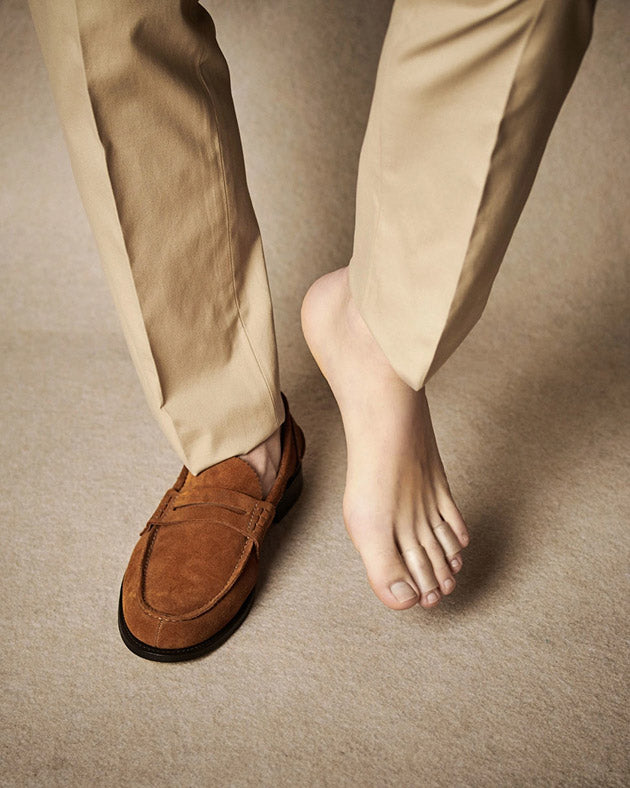
As you have lost sensation in your feet, walking without shoes, you may step on something sharp, cut your foot, and not realize it.🔹 Care for your nails regularly:
Neglected nails can cause ingrown nails or additional friction and irritation to your feet when wearing shoes. They can also make it difficult to spot small scratches near your fingertips.🔹 Wear good quality shoes:
People with diabetes do not have time for cheap or poorly designed shoes. If there is one type of clothing truly worth investing in... it's your shoes. Whether it's shoes you wear for exercise, shopping, or work, your feet need to be in the "right environment."
🔹 Improve your blood sugar levels:
The most important thing you can do to protect your feet from infection and, in severe cases, amputation, is to lower your blood sugar levels. Understanding your blood sugar limits as a person with type 1 or type 2 diabetes is the first step. At the same time, your diet, weight loss, and timely communication with your doctor about any concerns you have are your immediate priority.Shop the story by Christou1910
According to a review of 19 studies on the recurrence rates of foot ulcers (New England Journal of Medicine), it is estimated that about 40% of patients relapse within one year after ulcer healing, nearly 60% within three years, and 65% within five years. For this reason, scientists suggest that you consider your healed foot ulcer as not permanently cured but simply in "remission."🔵 Socks for Diabetic Feet:
Made from natural cotton enriched with thermoregulating yarns, Christou1910 diabetic socks wick away moisture and keep your feet warm in winter and cool in summer. Their special calf finish facilitates blood circulation, while their anatomical seamless knit protects against wounds and blisters. They fit the foot perfectly, offer a soft feel and excellent antibacterial and disinfectant action, thanks to the silver ions they contain in their fibers!
🔵 Anatomical silicone insoles:
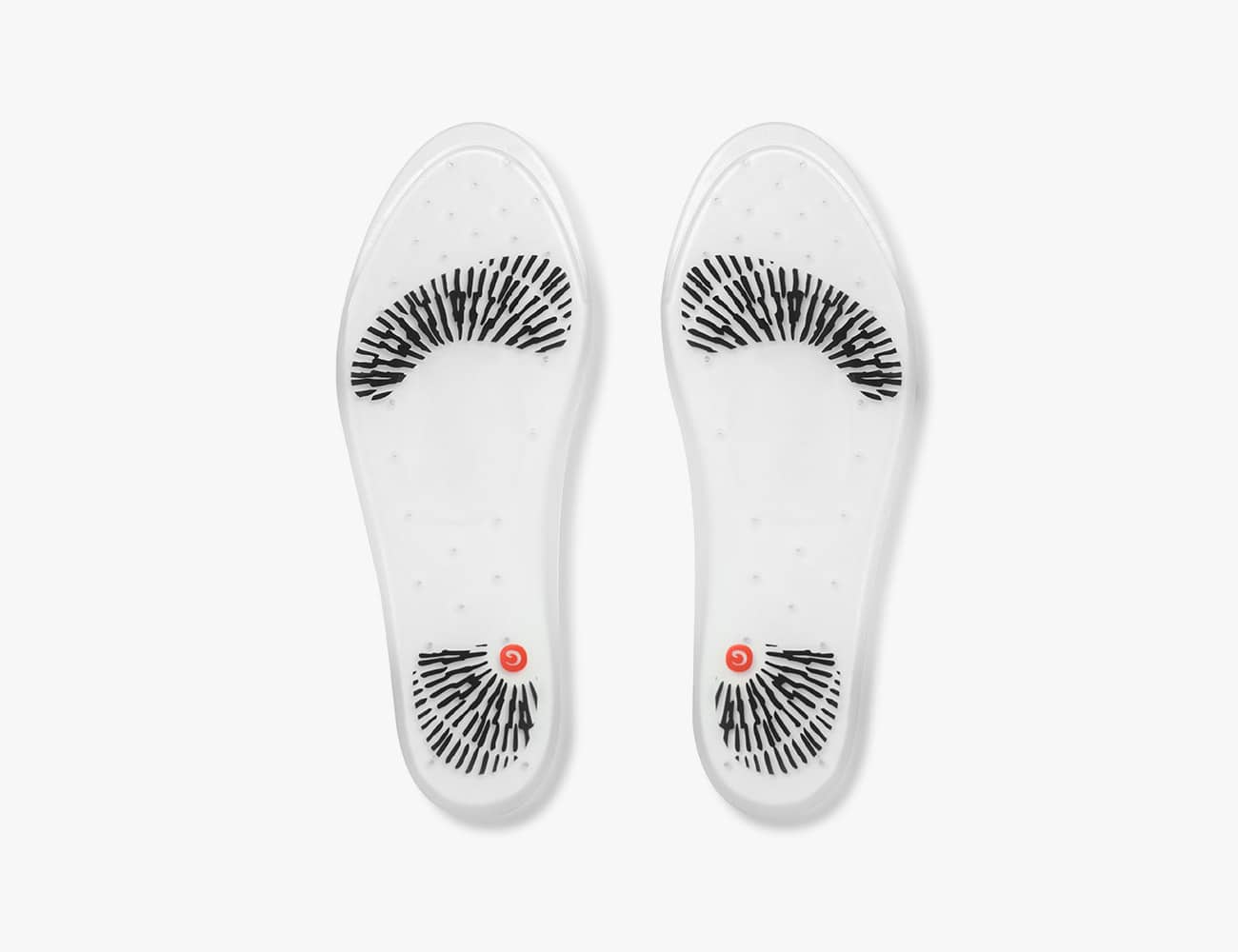
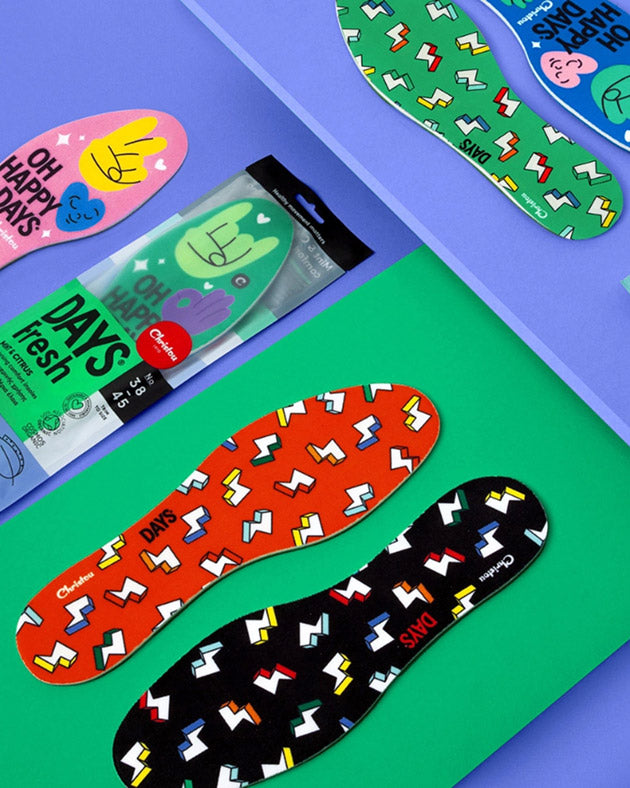
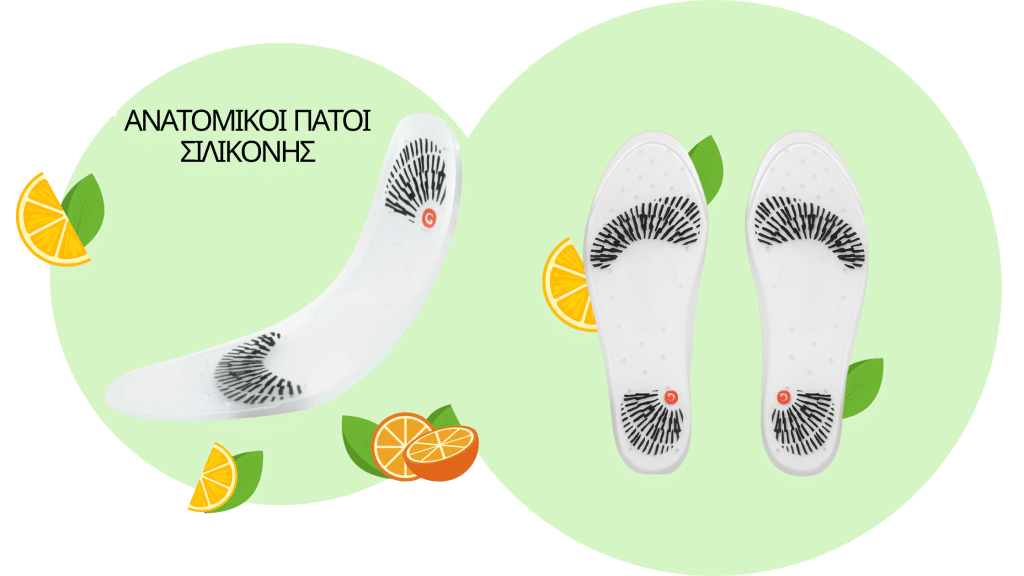
Friction irritation and blisters on the feet are two things every diabetic should avoid. In conjunction with diabetic socks, the special anatomical silicone insoles Christou1910 offer maximum protection against shocks and injuries. They have a durable structure and a hypoallergenic composition of 100% pure medical silicone. They help the sole "step" correctly and comfortably and enhance good blood circulation with every movement!
Anatomical silicone insoles
🔵 Protective toe tube with essential oils:
The toes are an area of the diabetic foot that requires special attention and care, as they can experience irritation, injuries, and wounds. The Christou1910 toe tube is an anatomically designed dressing, made of soft natural material impregnated with therapeutic organic essential oils with powerful healing properties. It fits the toes perfectly, protects against friction between the toes, against callus formation and onychomycosis, and regenerates the skin.
Learn more about the specialized comprehensive diabetic foot care package HERE