


The History of Dressing
Bandaging has been the primary and most enduring method of pain relief throughout the centuries. For thousands of years, holding an injured or painful spot on the body with a bandage has been the most direct and consistent practice to smooth out swelling and improve blood circulation, thereby allowing the body to find the strength to naturally repair the damage.
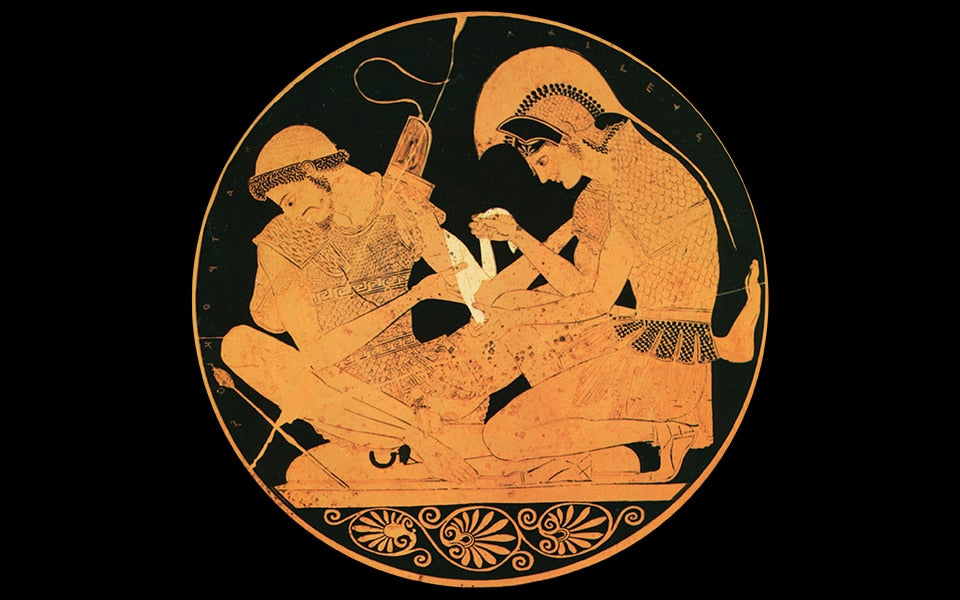
 [big] In antiquity, as early as the Homeric epics, we encounter references to the Sphendone, a type of gauze made of finely spun sheep's wool, with which wounds were bound. Indeed, in the red-figure kylix of Sosias, painted around 550 BC, now housed in the Altes Museum in Berlin, we characteristically see in its vase painting Achilles, after a battle in the Trojan War, helping the wounded Patroclus, who has turned his head away from pain, by bandaging his left hand with the Sphendone.[/big]
The history of wound healing is thus intertwined with the history of humanity! One of the oldest medical manuscripts known to man is a clay tablet dating from 2200 BC. This tablet describes, perhaps for the first time, three methods of treatment: washing wounds, creating early forms of splints, and bandaging.
The Egyptians were among the first peoples who, beyond the method of embalming and mummies, bound wounds with linen gauze, smearing them with animal fat, honey, and a type of plant fiber fluff, creating a protective layer against infections. They even dyed the wounds green, symbolizing life, while the copper contained in the dye prevented bacteria from growing.
[caption id="attachment_5177" align="alignnone" width="345"]
[big] In antiquity, as early as the Homeric epics, we encounter references to the Sphendone, a type of gauze made of finely spun sheep's wool, with which wounds were bound. Indeed, in the red-figure kylix of Sosias, painted around 550 BC, now housed in the Altes Museum in Berlin, we characteristically see in its vase painting Achilles, after a battle in the Trojan War, helping the wounded Patroclus, who has turned his head away from pain, by bandaging his left hand with the Sphendone.[/big]
The history of wound healing is thus intertwined with the history of humanity! One of the oldest medical manuscripts known to man is a clay tablet dating from 2200 BC. This tablet describes, perhaps for the first time, three methods of treatment: washing wounds, creating early forms of splints, and bandaging.
The Egyptians were among the first peoples who, beyond the method of embalming and mummies, bound wounds with linen gauze, smearing them with animal fat, honey, and a type of plant fiber fluff, creating a protective layer against infections. They even dyed the wounds green, symbolizing life, while the copper contained in the dye prevented bacteria from growing.
[caption id="attachment_5177" align="alignnone" width="345"]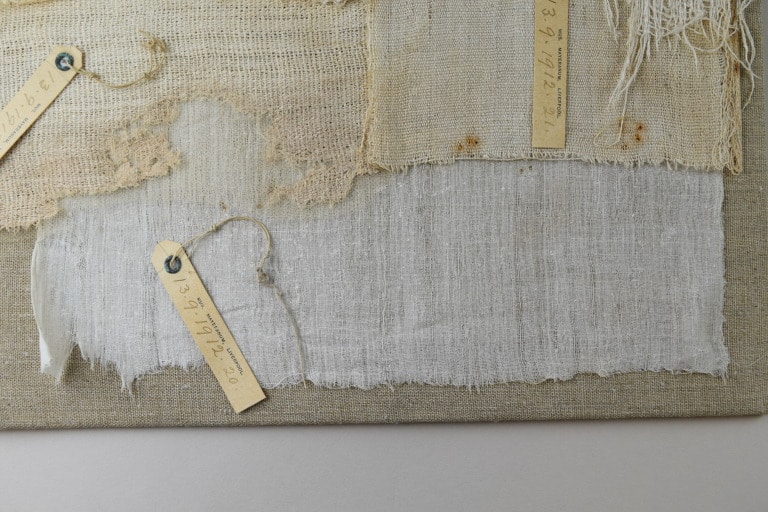 A piece of gauze from ancient Egypt[/caption]
[caption id="attachment_5179" align="alignnone" width="305"]
A piece of gauze from ancient Egypt[/caption]
[caption id="attachment_5179" align="alignnone" width="305"]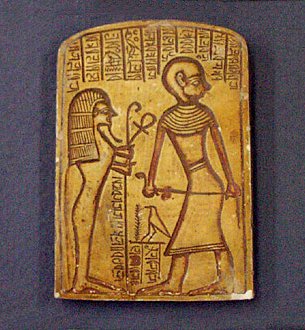 Tablet from ancient Egypt[/caption]
The sphendone, as the primary material for body bandaging, is later mentioned by the great physicians of antiquity, Hippocrates and Galen.
A broken shoulder or arm was treated by Galen (129-216 BC) in the 2nd century BC with a sling hanging from the patient's neck, a method that lasted until the 19th century AD! Generally, as a base for bandages, Galen preferred wool, cutting and sewing them, as appropriate, on the patient's body.
[caption id="attachment_5181" align="alignnone" width="220"]
Tablet from ancient Egypt[/caption]
The sphendone, as the primary material for body bandaging, is later mentioned by the great physicians of antiquity, Hippocrates and Galen.
A broken shoulder or arm was treated by Galen (129-216 BC) in the 2nd century BC with a sling hanging from the patient's neck, a method that lasted until the 19th century AD! Generally, as a base for bandages, Galen preferred wool, cutting and sewing them, as appropriate, on the patient's body.
[caption id="attachment_5181" align="alignnone" width="220"]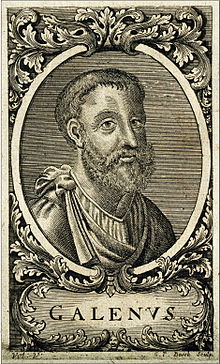 Galen[/caption]
In the 5th century BC, Hippocrates (460-377 BC) in ancient Greece emphasized the importance of cleanliness, washing wounds with boiled water or vinegar, while warriors, to avoid tetanus or gangrene, quickly bound their wounds with the sphendone, first cleaning them with clear water or wine.
[caption id="attachment_5206" align="alignnone" width="400"]
Galen[/caption]
In the 5th century BC, Hippocrates (460-377 BC) in ancient Greece emphasized the importance of cleanliness, washing wounds with boiled water or vinegar, while warriors, to avoid tetanus or gangrene, quickly bound their wounds with the sphendone, first cleaning them with clear water or wine.
[caption id="attachment_5206" align="alignnone" width="400"]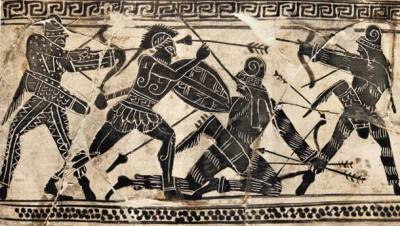 Wall painting of a battle[/caption]
Most importantly, however, Hippocrates thoroughly analyzed how to use bandaging on the legs and how to achieve compression using an original, improvised method, by placing a sponge inside the bandage! Hippocrates was also the first to treat leg ulcers with the compression method!
[caption id="attachment_4997" align="alignnone" width="220"]
Wall painting of a battle[/caption]
Most importantly, however, Hippocrates thoroughly analyzed how to use bandaging on the legs and how to achieve compression using an original, improvised method, by placing a sponge inside the bandage! Hippocrates was also the first to treat leg ulcers with the compression method!
[caption id="attachment_4997" align="alignnone" width="220"]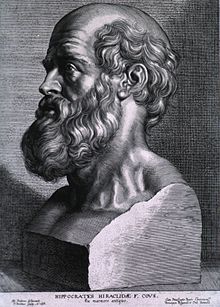 Hippocrates[/caption]
Since then, the method of bandaging has not undergone drastic changes, but has remained almost intact as a treatment method.
In the 11th century BC, Henry de Modeville (1260-1320), the French surgeon of the Middle Ages, confirmed that "compression removes bad substances and ulcers that penetrate the legs."
[caption id="attachment_5183" align="alignnone" width="211"]
Hippocrates[/caption]
Since then, the method of bandaging has not undergone drastic changes, but has remained almost intact as a treatment method.
In the 11th century BC, Henry de Modeville (1260-1320), the French surgeon of the Middle Ages, confirmed that "compression removes bad substances and ulcers that penetrate the legs."
[caption id="attachment_5183" align="alignnone" width="211"] Henry de Modeville[/caption]
[caption id="attachment_5185" align="alignnone" width="272"]
Henry de Modeville[/caption]
[caption id="attachment_5185" align="alignnone" width="272"]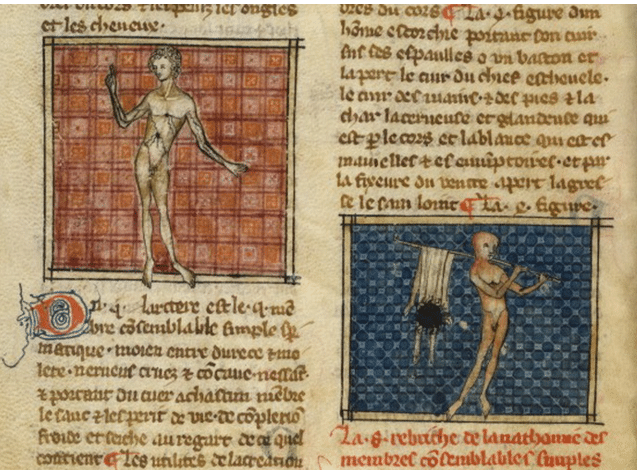 Anatomy in the Middle Ages[/caption]
Drawing on the wisdom of the great Persian physician of antiquity, Avicenna (980-1037 BC), who used bandaging for the dilation of vessels and swelling from ulcers, the great Italian surgeon and "father of embryology" Hieronymus Fabricius or Girolamo Fabrizio (1537-1619),
[caption id="attachment_5187" align="alignnone" width="234"]
Anatomy in the Middle Ages[/caption]
Drawing on the wisdom of the great Persian physician of antiquity, Avicenna (980-1037 BC), who used bandaging for the dilation of vessels and swelling from ulcers, the great Italian surgeon and "father of embryology" Hieronymus Fabricius or Girolamo Fabrizio (1537-1619),
[caption id="attachment_5187" align="alignnone" width="234"] Hieronymus Fabricius[/caption]
[caption id="attachment_5189" align="alignnone" width="230"]
Hieronymus Fabricius[/caption]
[caption id="attachment_5189" align="alignnone" width="230"]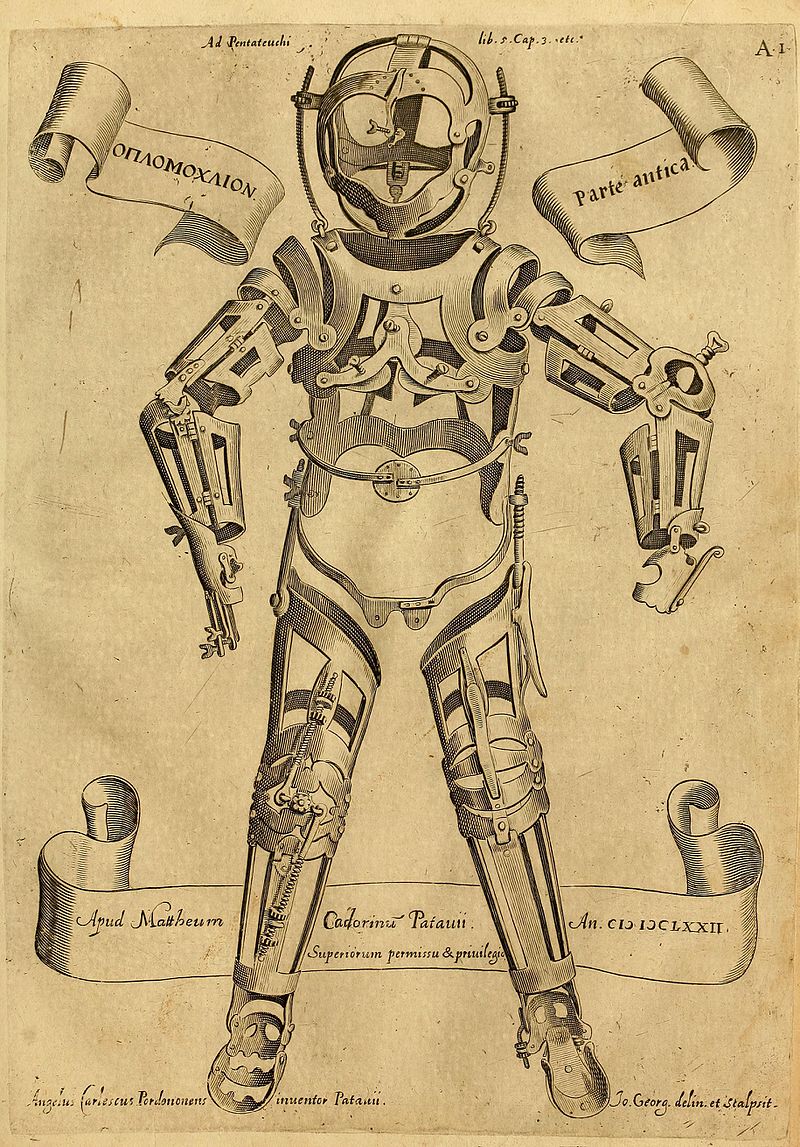 Fabricius' orthopedic exoskeleton[/caption]
first used elastic compression bandages made of dog leather and cords to treat varicose veins, which were replaced by linen fabric at the end of the 18th century.
The effectiveness of compression was also analyzed in 1824 by the English Baron, surgeon and anatomist Sir Astley Paston Cooper (1768-1841), who emphasized that compression helps arterial valves return to a robust, healthy state.
[caption id="attachment_5191" align="alignnone" width="250"]
Fabricius' orthopedic exoskeleton[/caption]
first used elastic compression bandages made of dog leather and cords to treat varicose veins, which were replaced by linen fabric at the end of the 18th century.
The effectiveness of compression was also analyzed in 1824 by the English Baron, surgeon and anatomist Sir Astley Paston Cooper (1768-1841), who emphasized that compression helps arterial valves return to a robust, healthy state.
[caption id="attachment_5191" align="alignnone" width="250"] Sir Astley Paston Cooper[/caption]
Bandaging with simultaneous compression was extended in 1826 by the French anatomist and surgeon, Alfred Armand Louis Marie Velpeau (1795-1867) for the treatment of acute phlebitis,
[caption id="attachment_5193" align="alignnone" width="251"]
Sir Astley Paston Cooper[/caption]
Bandaging with simultaneous compression was extended in 1826 by the French anatomist and surgeon, Alfred Armand Louis Marie Velpeau (1795-1867) for the treatment of acute phlebitis,
[caption id="attachment_5193" align="alignnone" width="251"]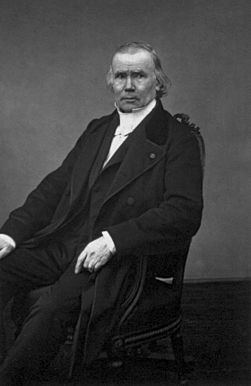 Alfred Armand Louis Marie Velpeau[/caption]
[caption id="attachment_5195" align="alignnone" width="301"]
Alfred Armand Louis Marie Velpeau[/caption]
[caption id="attachment_5195" align="alignnone" width="301"]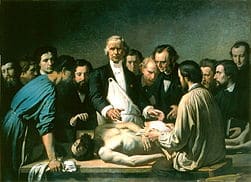 Alfred Armand Louis Marie Velpeau in an anatomy lesson[/caption]
while it was necessarily combined with intense movement for better results by Heinrich Fisher (1857-1928) in 1910, a surgeon who wrote a complete treatise on phlebitis.
[caption id="attachment_5197" align="alignnone" width="234"]
Alfred Armand Louis Marie Velpeau in an anatomy lesson[/caption]
while it was necessarily combined with intense movement for better results by Heinrich Fisher (1857-1928) in 1910, a surgeon who wrote a complete treatise on phlebitis.
[caption id="attachment_5197" align="alignnone" width="234"]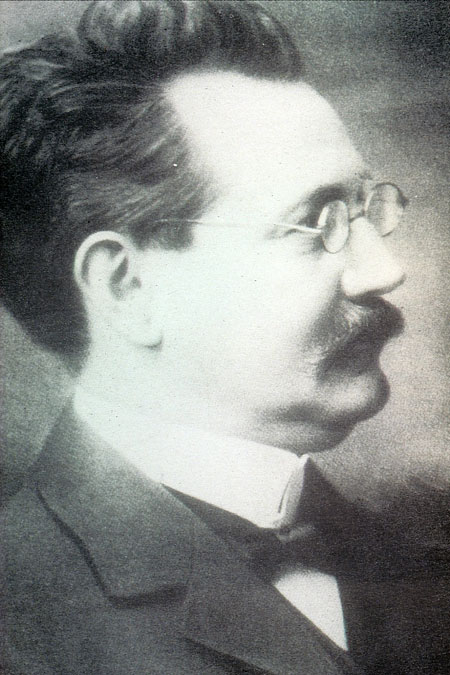 Heinrich Fisher[/caption]
Adhesive tape bandaging was first recommended in 1839 by Dickson Wright, while five years later, Muray and Clancy devised the first mechanical device for ligament compression.
Bandaging with the patented rubber compression material became the new dominant method in 1848 by William Brown, leading to the first seamless elastic compression stockings in 1904 and without additional materials, such as rubber, in 1917.
Heinrich Fisher[/caption]
Adhesive tape bandaging was first recommended in 1839 by Dickson Wright, while five years later, Muray and Clancy devised the first mechanical device for ligament compression.
Bandaging with the patented rubber compression material became the new dominant method in 1848 by William Brown, leading to the first seamless elastic compression stockings in 1904 and without additional materials, such as rubber, in 1917.
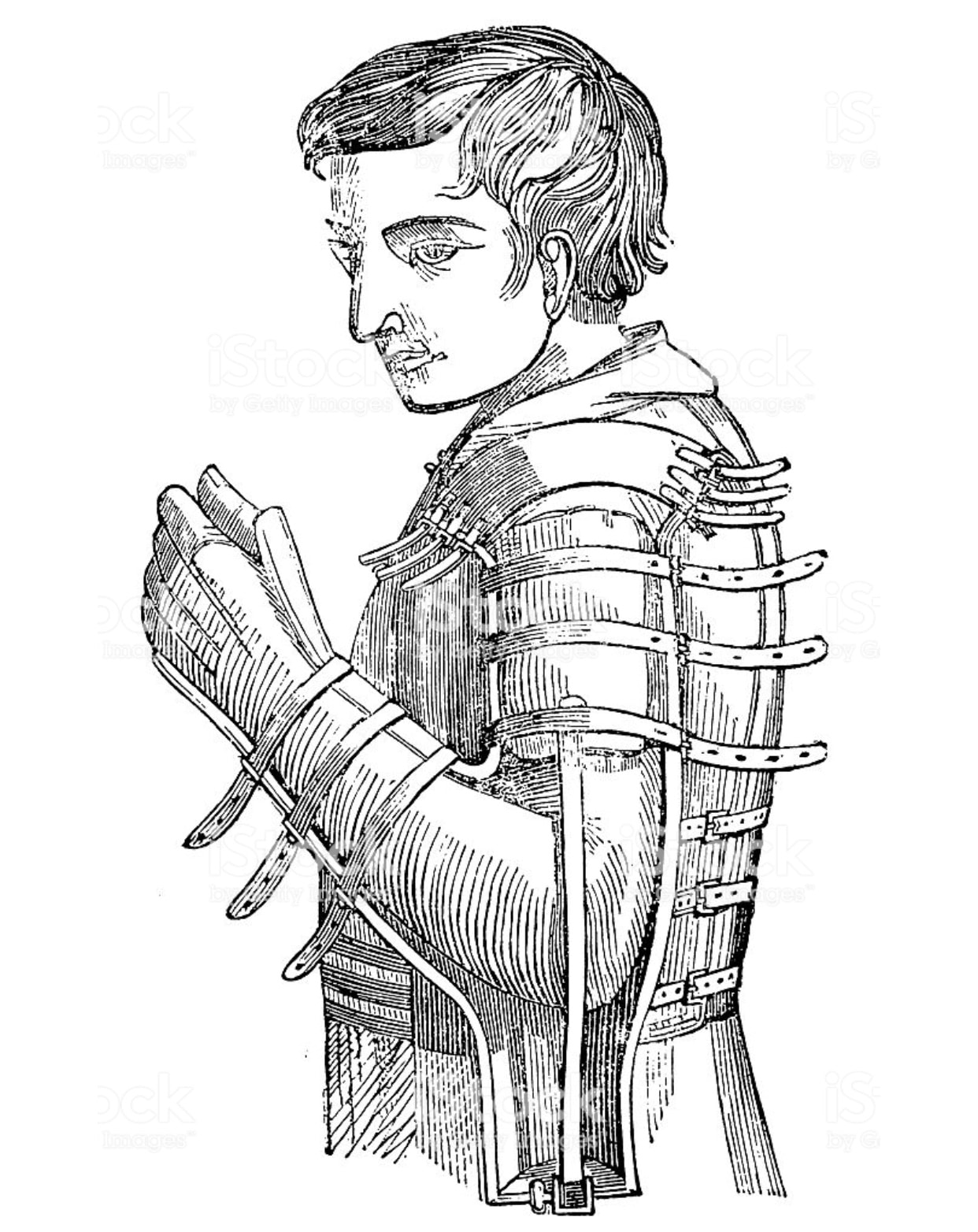
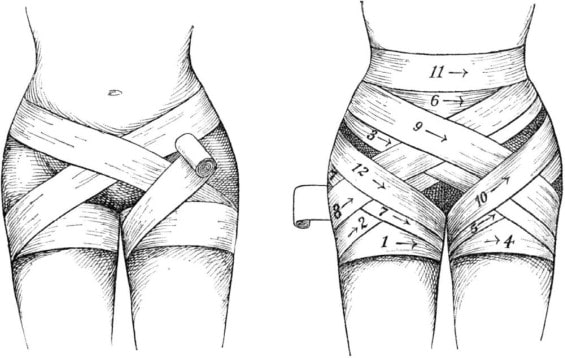 Illustration from the Red Cross manual[/caption]
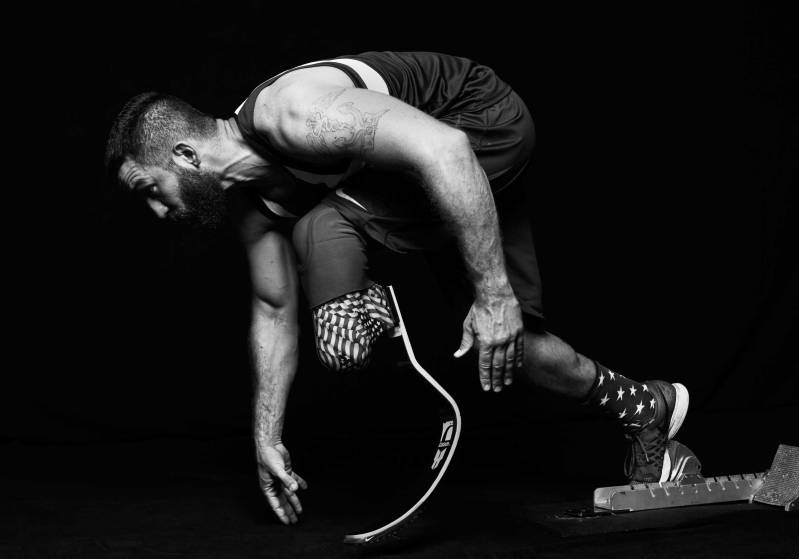 Improved blood and lymphatic circulation, thanks to bandaging, relieves the body and helps it recover, finding energy and strength naturally.
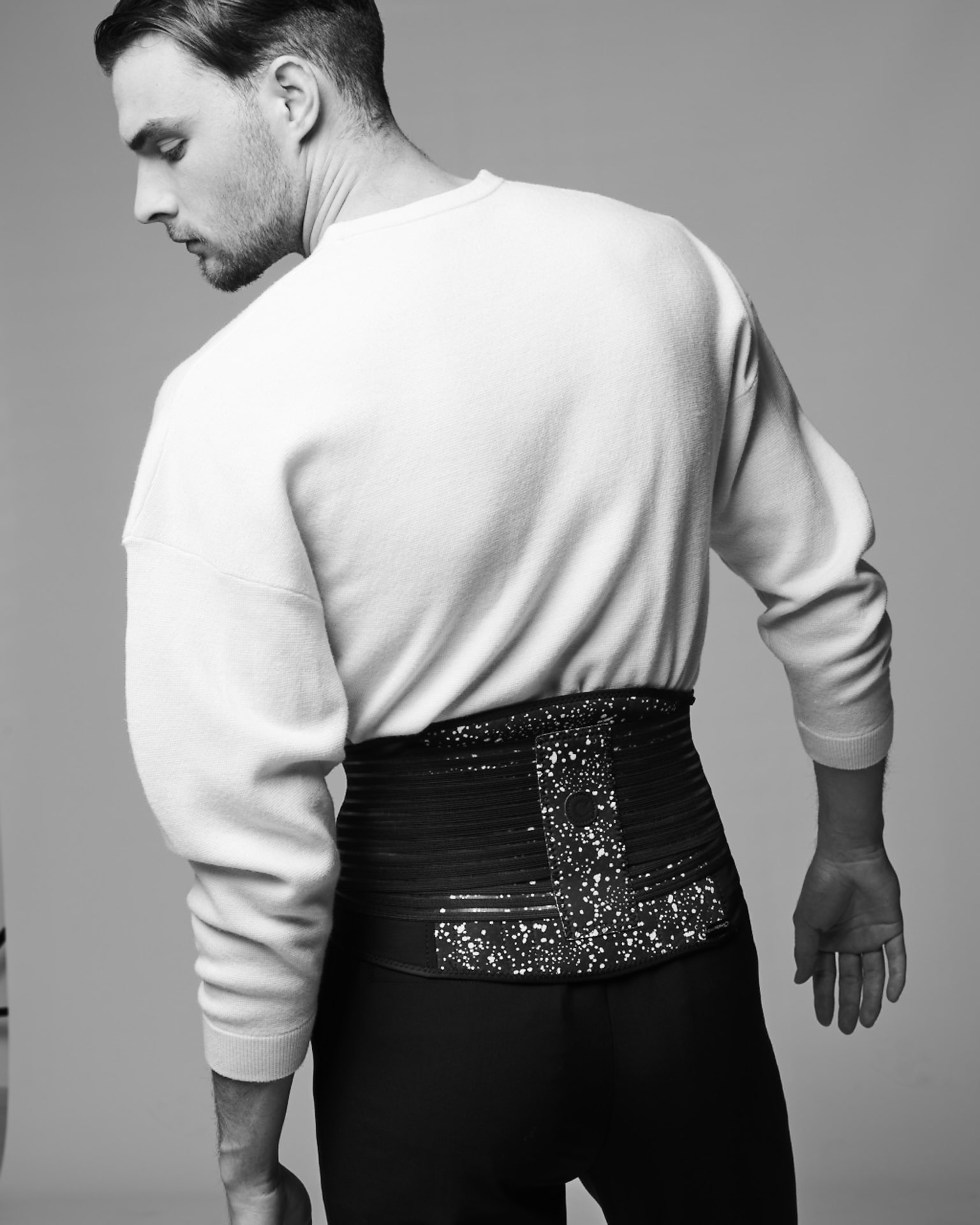

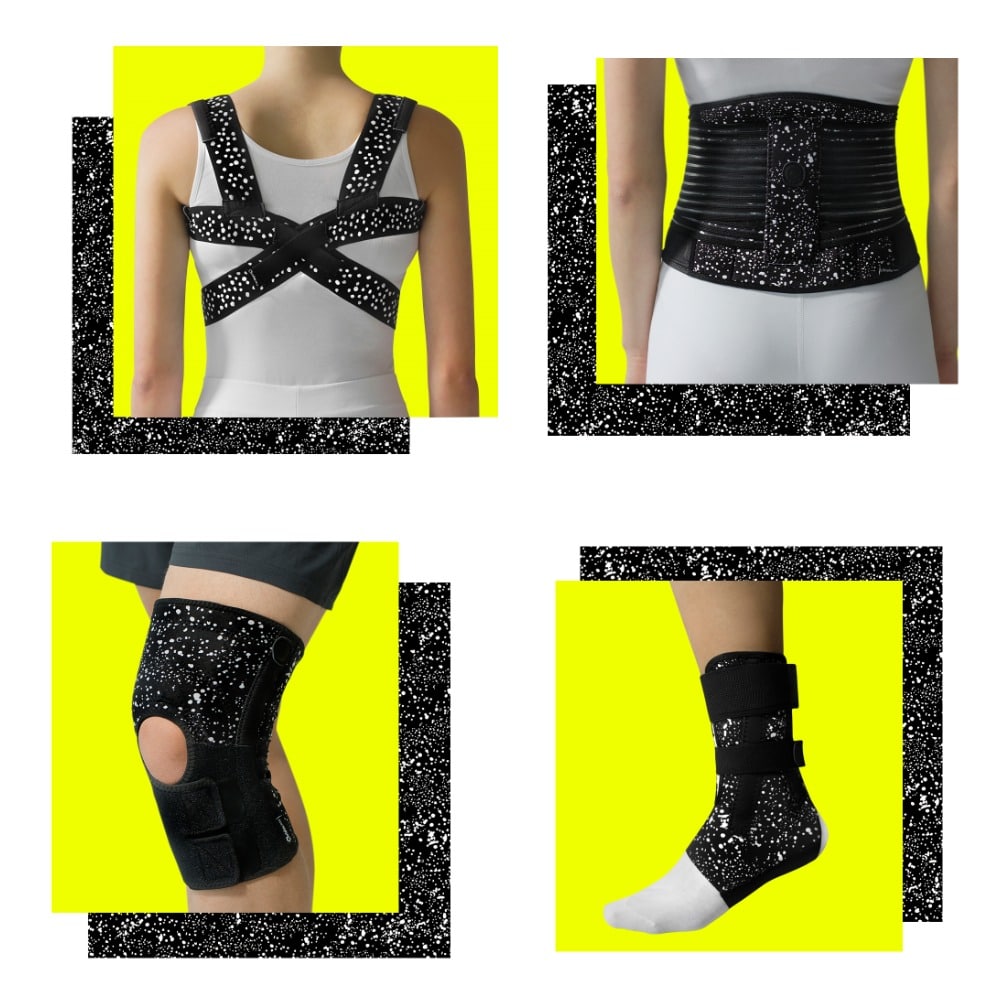
 For this reason, the complete series of bandages from Christou1910 has been designed in the most modern way, to facilitate blood circulation in the body, while also serving as protective health and style accessories! The unique print with oxygen molecules symbolizes their release in the body and the potential for dynamic movement!
The evolution of bandaging does not make vulnerability uncomfortable, accompanied by outdated bandages, but by a fresh and well-thought-out design that makes you feel safe and protected for both daily use and exercise. Bandaging activates the power of blood and restores well-being and good physical condition.
For this reason, the complete series of bandages from Christou1910 has been designed in the most modern way, to facilitate blood circulation in the body, while also serving as protective health and style accessories! The unique print with oxygen molecules symbolizes their release in the body and the potential for dynamic movement!
The evolution of bandaging does not make vulnerability uncomfortable, accompanied by outdated bandages, but by a fresh and well-thought-out design that makes you feel safe and protected for both daily use and exercise. Bandaging activates the power of blood and restores well-being and good physical condition.
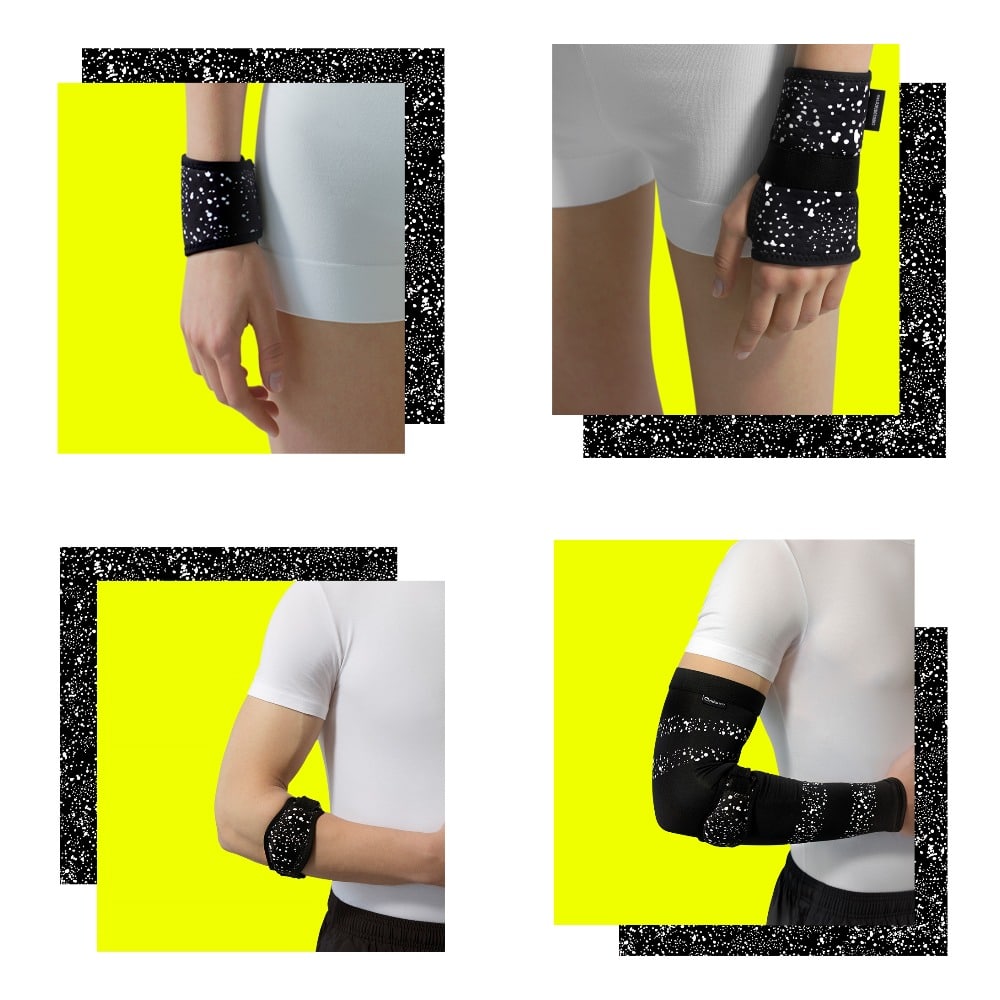 Whatever your need, you can choose the most essential and easy help, without the excessive use of painkillers, supporting your body naturally!
SHOP THE STORY
Shop the bandaging series at the Christou1910 E-SHOP by clicking here
PHYSICAL STORES
Find your favorite protective accessories #Christou1910 in updated Health Stores and Pharmacies (see the list here), choose the appropriate bandaging accessory and add it to your cart along with whatever helps your body and something that cares for your body externally!
Whatever your need, you can choose the most essential and easy help, without the excessive use of painkillers, supporting your body naturally!
SHOP THE STORY
Shop the bandaging series at the Christou1910 E-SHOP by clicking here
PHYSICAL STORES
Find your favorite protective accessories #Christou1910 in updated Health Stores and Pharmacies (see the list here), choose the appropriate bandaging accessory and add it to your cart along with whatever helps your body and something that cares for your body externally!

Bandaging from Antiquity to the 19th Century
[big] In antiquity, as early as the Homeric epics, we encounter references to the Sphendone, a type of gauze made of finely spun sheep's wool, with which wounds were bound. Indeed, in the red-figure kylix of Sosias, painted around 550 BC, now housed in the Altes Museum in Berlin, we characteristically see in its vase painting Achilles, after a battle in the Trojan War, helping the wounded Patroclus, who has turned his head away from pain, by bandaging his left hand with the Sphendone.[/big]
The history of wound healing is thus intertwined with the history of humanity! One of the oldest medical manuscripts known to man is a clay tablet dating from 2200 BC. This tablet describes, perhaps for the first time, three methods of treatment: washing wounds, creating early forms of splints, and bandaging.
The Egyptians were among the first peoples who, beyond the method of embalming and mummies, bound wounds with linen gauze, smearing them with animal fat, honey, and a type of plant fiber fluff, creating a protective layer against infections. They even dyed the wounds green, symbolizing life, while the copper contained in the dye prevented bacteria from growing.
[caption id="attachment_5177" align="alignnone" width="345"] A piece of gauze from ancient Egypt[/caption]
[caption id="attachment_5179" align="alignnone" width="305"] Tablet from ancient Egypt[/caption]
The sphendone, as the primary material for body bandaging, is later mentioned by the great physicians of antiquity, Hippocrates and Galen.
A broken shoulder or arm was treated by Galen (129-216 BC) in the 2nd century BC with a sling hanging from the patient's neck, a method that lasted until the 19th century AD! Generally, as a base for bandages, Galen preferred wool, cutting and sewing them, as appropriate, on the patient's body.
[caption id="attachment_5181" align="alignnone" width="220"] Galen[/caption]
In the 5th century BC, Hippocrates (460-377 BC) in ancient Greece emphasized the importance of cleanliness, washing wounds with boiled water or vinegar, while warriors, to avoid tetanus or gangrene, quickly bound their wounds with the sphendone, first cleaning them with clear water or wine.
[caption id="attachment_5206" align="alignnone" width="400"] Wall painting of a battle[/caption]
Most importantly, however, Hippocrates thoroughly analyzed how to use bandaging on the legs and how to achieve compression using an original, improvised method, by placing a sponge inside the bandage! Hippocrates was also the first to treat leg ulcers with the compression method!
[caption id="attachment_4997" align="alignnone" width="220"] Hippocrates[/caption]
Since then, the method of bandaging has not undergone drastic changes, but has remained almost intact as a treatment method.
In the 11th century BC, Henry de Modeville (1260-1320), the French surgeon of the Middle Ages, confirmed that "compression removes bad substances and ulcers that penetrate the legs."
[caption id="attachment_5183" align="alignnone" width="211"] Henry de Modeville[/caption]
[caption id="attachment_5185" align="alignnone" width="272"] Anatomy in the Middle Ages[/caption]
Drawing on the wisdom of the great Persian physician of antiquity, Avicenna (980-1037 BC), who used bandaging for the dilation of vessels and swelling from ulcers, the great Italian surgeon and "father of embryology" Hieronymus Fabricius or Girolamo Fabrizio (1537-1619),
[caption id="attachment_5187" align="alignnone" width="234"] Hieronymus Fabricius[/caption]
[caption id="attachment_5189" align="alignnone" width="230"] Fabricius' orthopedic exoskeleton[/caption]
first used elastic compression bandages made of dog leather and cords to treat varicose veins, which were replaced by linen fabric at the end of the 18th century.
The effectiveness of compression was also analyzed in 1824 by the English Baron, surgeon and anatomist Sir Astley Paston Cooper (1768-1841), who emphasized that compression helps arterial valves return to a robust, healthy state.
[caption id="attachment_5191" align="alignnone" width="250"] Sir Astley Paston Cooper[/caption]
Bandaging with simultaneous compression was extended in 1826 by the French anatomist and surgeon, Alfred Armand Louis Marie Velpeau (1795-1867) for the treatment of acute phlebitis,
[caption id="attachment_5193" align="alignnone" width="251"] Alfred Armand Louis Marie Velpeau[/caption]
[caption id="attachment_5195" align="alignnone" width="301"] Alfred Armand Louis Marie Velpeau in an anatomy lesson[/caption]
while it was necessarily combined with intense movement for better results by Heinrich Fisher (1857-1928) in 1910, a surgeon who wrote a complete treatise on phlebitis.
[caption id="attachment_5197" align="alignnone" width="234"] Heinrich Fisher[/caption]
Adhesive tape bandaging was first recommended in 1839 by Dickson Wright, while five years later, Muray and Clancy devised the first mechanical device for ligament compression.
Bandaging with the patented rubber compression material became the new dominant method in 1848 by William Brown, leading to the first seamless elastic compression stockings in 1904 and without additional materials, such as rubber, in 1917.
Types of Bandaging
From the 19th century onwards, bandaging is divided into three categories:- Retaining bandages, which keep the inner dressing of wounds in the correct position.
- Support bandages, which prevent deformation or alteration of the shape of a tissue mass due to swelling or relaxation.
- Compression bandages, primarily used to improve blood circulation, treat leg ulcers and varicose veins, thromboses, and post-operative recovery.
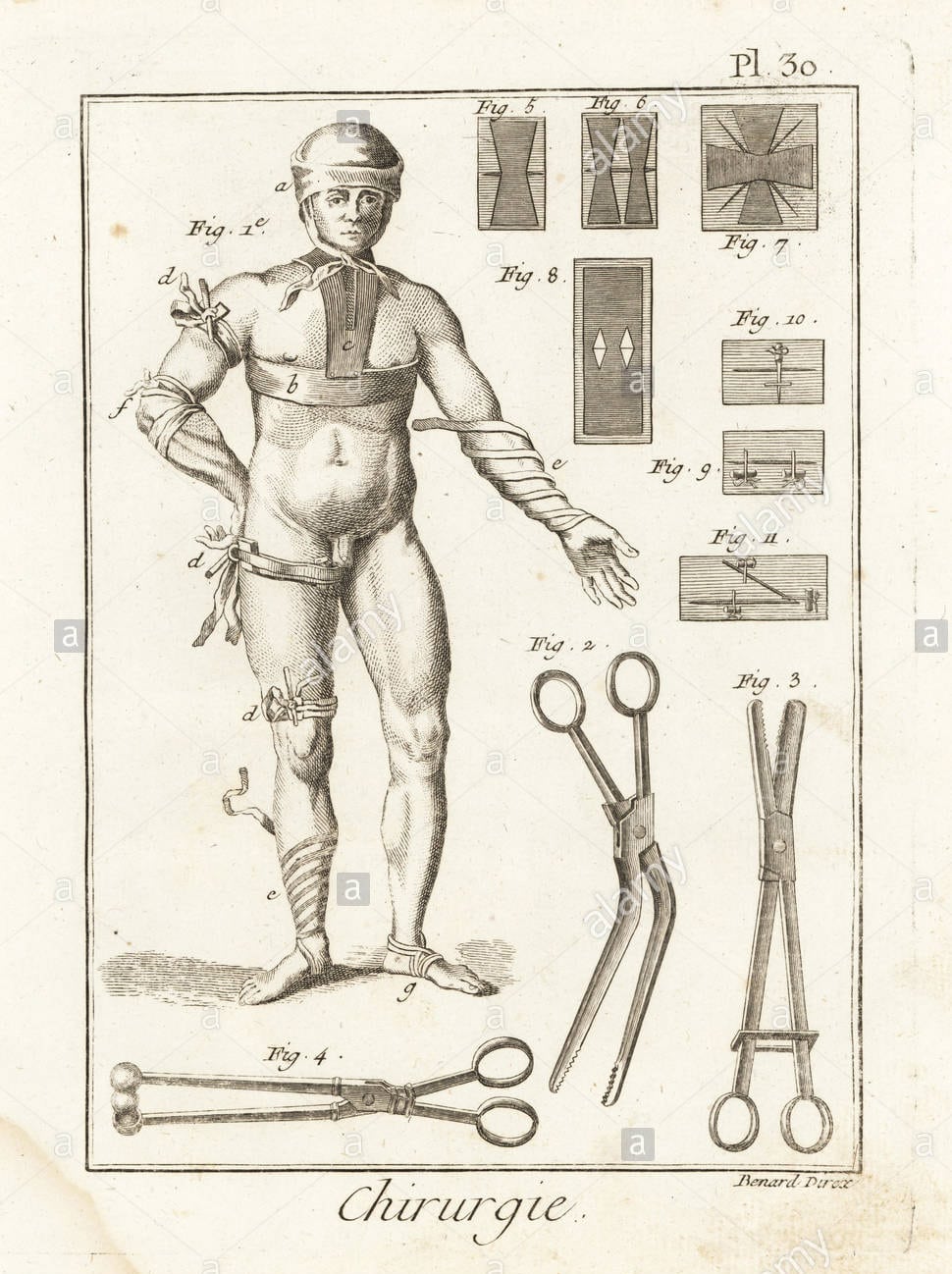
Illustration from the Red Cross manual[/caption]
Bandaging in Modern Times
Moving to today, beyond medical conditions and the problem of varicose veins and phlebitis or chronic sensitivity in certain parts of the body, the active body that exercises also has a special need for appropriate bandaging and compression. Often, causes such as insufficient warm-up and omission of stretches that facilitate muscle elasticity, incorrect technique, inappropriate sports equipment, exercise in a humid and cold environment, excessive muscle fatigue after prolonged exercise, or even a lack of nutrients in the athlete's body, such as potassium, magnesium, and sodium, cumulatively burden the body, reflecting in pain, muscle strains and injuries, or even acute injuries. Therefore, beyond therapeutic bandaging for wounds, we also have athletic bandaging for conservative treatment of such problems and muscle recovery after every demanding training, in order to achieve relaxation, stabilization, muscle facilitation, and protection.
Improved blood and lymphatic circulation, thanks to bandaging, relieves the body and helps it recover, finding energy and strength naturally.
The Christou 1910 Bandaging Series
For this reason, the complete series of bandages from Christou1910 has been designed in the most modern way, to facilitate blood circulation in the body, while also serving as protective health and style accessories! The unique print with oxygen molecules symbolizes their release in the body and the potential for dynamic movement!
The evolution of bandaging does not make vulnerability uncomfortable, accompanied by outdated bandages, but by a fresh and well-thought-out design that makes you feel safe and protected for both daily use and exercise. Bandaging activates the power of blood and restores well-being and good physical condition.
Whatever your need, you can choose the most essential and easy help, without the excessive use of painkillers, supporting your body naturally!
SHOP THE STORY
Shop the bandaging series at the Christou1910 E-SHOP by clicking here
PHYSICAL STORES
Find your favorite protective accessories #Christou1910 in updated Health Stores and Pharmacies (see the list here), choose the appropriate bandaging accessory and add it to your cart along with whatever helps your body and something that cares for your body externally!