

Straight backs! Children without scoliosis
Scoliosis requires our attention, especially when it affects children and adolescents. Its management is a challenge, however, with early diagnosis and appropriate treatment, it can be successfully managed in the vast majority of cases. Prevention methods and the actions a parent takes to ensure their child's proper back posture during their development play an important role. This requires particular patience, but the child's well-being is worth every effort.
What is scoliosis?
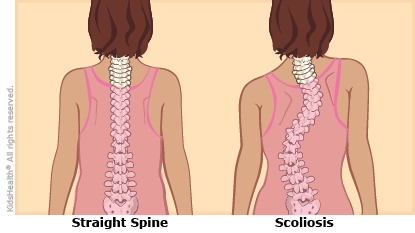
Scoliosis is a medical condition in which the spine curves sideways, forming an "S" or "C" shape, instead of remaining in a straight line when viewed from the front or back. This curvature can occur anywhere along the spine, but most often affects the upper thoracic or lower lumbar regions.
 There are various types of scoliosis, the most common being idiopathic scoliosis, which has no known cause. However, there is a connection with heredity, as it has been observed that children with a family history of scoliosis have a higher risk of developing it themselves. Other types of scoliosis include congenital (present at birth), neuromuscular (associated with conditions such as muscular dystrophy or cerebral palsy), and degenerative (associated with conditions such as osteoporosis).
Scoliosis is not predictable. It is more common in children and adolescents during their growth spurt. In addition to physical impact, scoliosis can affect a child's or adolescent's self-confidence due to an inferiority complex about their body image.
What you don't know about scoliosis
There are various types of scoliosis, the most common being idiopathic scoliosis, which has no known cause. However, there is a connection with heredity, as it has been observed that children with a family history of scoliosis have a higher risk of developing it themselves. Other types of scoliosis include congenital (present at birth), neuromuscular (associated with conditions such as muscular dystrophy or cerebral palsy), and degenerative (associated with conditions such as osteoporosis).
Scoliosis is not predictable. It is more common in children and adolescents during their growth spurt. In addition to physical impact, scoliosis can affect a child's or adolescent's self-confidence due to an inferiority complex about their body image.
What you don't know about scoliosis
 Signs and symptoms
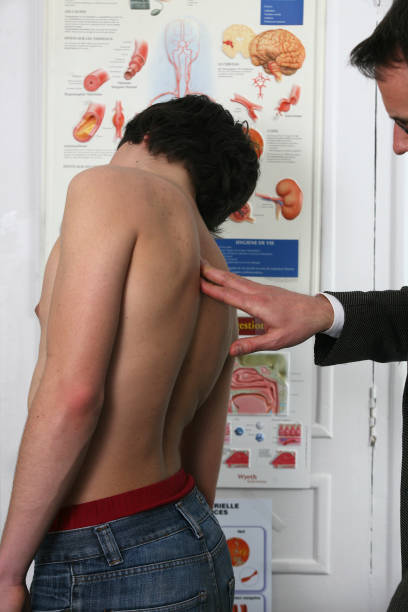
Scoliosis can manifest in various ways, and its severity can differ from person to person. Common signs and symptoms of scoliosis in children include:
Uneven shoulders: One shoulder blade may appear higher than the other when standing upright.
Uneven hips: The pelvis may show some tilting, either to the right or left.
Visible curvature: A significant curvature of the spine may be visible when the body bends forward.
Muscle imbalance: One side of the back may appear more muscular or developed than the other.
Pain or discomfort: Some children with scoliosis may experience back pain, although not all cases cause discomfort. It is often painless, especially in its early stages.
Changes in gait: Scoliosis can sometimes affect gait or running.
Signs and symptoms
Scoliosis can manifest in various ways, and its severity can differ from person to person. Common signs and symptoms of scoliosis in children include:
Uneven shoulders: One shoulder blade may appear higher than the other when standing upright.
Uneven hips: The pelvis may show some tilting, either to the right or left.
Visible curvature: A significant curvature of the spine may be visible when the body bends forward.
Muscle imbalance: One side of the back may appear more muscular or developed than the other.
Pain or discomfort: Some children with scoliosis may experience back pain, although not all cases cause discomfort. It is often painless, especially in its early stages.
Changes in gait: Scoliosis can sometimes affect gait or running.
 Diagnosis of scoliosis
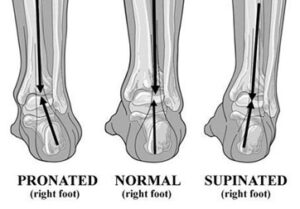
Scoliosis is often first detected during a school activity or a routine pediatric check-up. If a curvature of the spine is suspected, the doctor will clinically examine the patient and assess the degree of curvature. In addition, an X-ray will provide a detailed image of the spine.
Diagnosis of scoliosis
Scoliosis is often first detected during a school activity or a routine pediatric check-up. If a curvature of the spine is suspected, the doctor will clinically examine the patient and assess the degree of curvature. In addition, an X-ray will provide a detailed image of the spine.
 Treatment for childhood & adolescent scoliosis
The therapeutic approach for scoliosis in children and adolescents is determined by various factors, such as age, the degree of spinal curvature, and the underlying cause of the condition. Treatment options may include:
Treatment for childhood & adolescent scoliosis
The therapeutic approach for scoliosis in children and adolescents is determined by various factors, such as age, the degree of spinal curvature, and the underlying cause of the condition. Treatment options may include:
 Additional prevention tips for a straight back
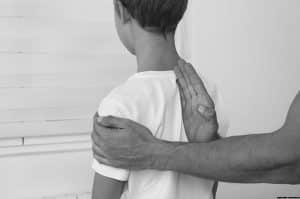
Regular check-ups by a pediatrician or orthopedist. Early diagnosis allows for immediate intervention in the early stages of scoliosis.
Encourage physical activity. Regular exercise and physical activities promote overall body health. Activities such as swimming and gymnastics can help maintain spinal health.
Balanced diet. Ensure children receive a balanced diet rich in calcium, vitamin D, and other nutrients essential for bone health, reducing the risk of spinal problems.
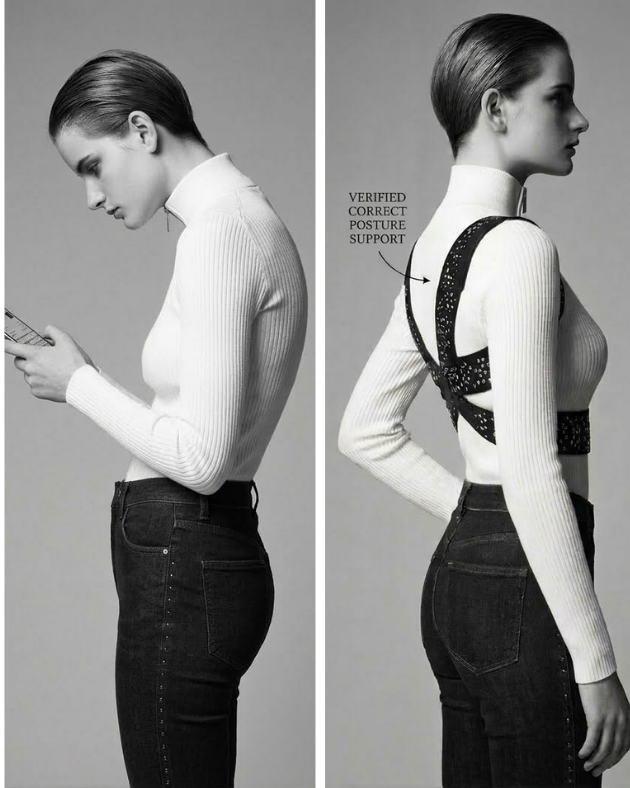
Avoid heavy backpacks. Encourage the use of both straps on backpacks for even weight distribution on the back and to avoid putting pressure on the spine. Make sure the weight is appropriate for the child's size and strength.
Back Strap for Children & Adolescents
SHOP NOW
Additional prevention tips for a straight back
Regular check-ups by a pediatrician or orthopedist. Early diagnosis allows for immediate intervention in the early stages of scoliosis.
Encourage physical activity. Regular exercise and physical activities promote overall body health. Activities such as swimming and gymnastics can help maintain spinal health.
Balanced diet. Ensure children receive a balanced diet rich in calcium, vitamin D, and other nutrients essential for bone health, reducing the risk of spinal problems.
Avoid heavy backpacks. Encourage the use of both straps on backpacks for even weight distribution on the back and to avoid putting pressure on the spine. Make sure the weight is appropriate for the child's size and strength.
Back Strap for Children & Adolescents
SHOP NOW
There are various types of scoliosis, the most common being idiopathic scoliosis, which has no known cause. However, there is a connection with heredity, as it has been observed that children with a family history of scoliosis have a higher risk of developing it themselves. Other types of scoliosis include congenital (present at birth), neuromuscular (associated with conditions such as muscular dystrophy or cerebral palsy), and degenerative (associated with conditions such as osteoporosis).
Scoliosis is not predictable. It is more common in children and adolescents during their growth spurt. In addition to physical impact, scoliosis can affect a child's or adolescent's self-confidence due to an inferiority complex about their body image.
What you don't know about scoliosis
- Scoliosis in children is more common than people think.
- Scoliosis can occur at any age, but it is most often found between 10 and 15 years of age.
- Adolescent idiopathic scoliosis is more prevalent in girls and is in fact more likely to be significantly more severe than in boys.
- Most cases of scoliosis in children are mild and do not require immediate intensive treatment.
- Only about 10% of diagnosed cases of scoliosis require intervention.
Signs and symptoms
Scoliosis can manifest in various ways, and its severity can differ from person to person. Common signs and symptoms of scoliosis in children include:
Uneven shoulders: One shoulder blade may appear higher than the other when standing upright.
Uneven hips: The pelvis may show some tilting, either to the right or left.
Visible curvature: A significant curvature of the spine may be visible when the body bends forward.
Muscle imbalance: One side of the back may appear more muscular or developed than the other.
Pain or discomfort: Some children with scoliosis may experience back pain, although not all cases cause discomfort. It is often painless, especially in its early stages.
Changes in gait: Scoliosis can sometimes affect gait or running.
Diagnosis of scoliosis
Scoliosis is often first detected during a school activity or a routine pediatric check-up. If a curvature of the spine is suspected, the doctor will clinically examine the patient and assess the degree of curvature. In addition, an X-ray will provide a detailed image of the spine.
Treatment for childhood & adolescent scoliosis
The therapeutic approach for scoliosis in children and adolescents is determined by various factors, such as age, the degree of spinal curvature, and the underlying cause of the condition. Treatment options may include:
- Physiotherapy and exercise
- Scoliosis brace
- Interventional techniques
Additional prevention tips for a straight back
Regular check-ups by a pediatrician or orthopedist. Early diagnosis allows for immediate intervention in the early stages of scoliosis.
Encourage physical activity. Regular exercise and physical activities promote overall body health. Activities such as swimming and gymnastics can help maintain spinal health.
Balanced diet. Ensure children receive a balanced diet rich in calcium, vitamin D, and other nutrients essential for bone health, reducing the risk of spinal problems.
Avoid heavy backpacks. Encourage the use of both straps on backpacks for even weight distribution on the back and to avoid putting pressure on the spine. Make sure the weight is appropriate for the child's size and strength.
Back Strap for Children & Adolescents
SHOP NOW


