




Children and Flat Feet: Unraveling the mysteries of their foot arches!
Flat feet is a common condition where the sole of the foot completely touches the ground and the arch is minimally to not at all visible. Although it can be observed in people of all ages, flat feet are particularly prevalent in children.
What is flat feet in children?
Flat feet in children are divided into two main categories:
Flexible flat feet: This form of flat feet is the most common type in children. In flexible flat feet, the arch of the foot disappears when the child places their entire foot on the ground and reappears when the child sits or stands on their tiptoes. Flexible flat feet respond to the function of a normal foot, as the muscles and joints work normally.
Most children are born with almost no arch in their feet. As they grow and walk, the soft tissues along the sole tighten, forming the arches of the feet. Children with flexible flat feet develop arches after the age of 5 or a little later. There are, of course, some children who never develop arches. Generally, about 85-90% of children outgrow flat feet as they grow older or develop a small foot arch that never causes problems.
Usually, flexible flat feet do not cause pain or discomfort during walking or activities. However, if flexible flat feet continue into adolescence, the teenager may feel pain in the lower part of their legs. In this case, the advice of an orthopedist is essential.
Rigid flat feet: Rigid flat feet are the more severe form of flat feet and are rare. In this case, the arch of the foot is absent when the child is standing or sitting. Almost always, this type of flat feet is accompanied by pain, stiffness, or other symptoms and is due to underlying anatomical problems in the foot that require medical intervention.
 Common symptoms of flat feet
Most often, a child with flat feet does not show symptoms beyond the recognizable appearance of the sole of the foot. In this case, the condition is considered asymptomatic. Children with symptomatic flat feet may experience one or more of the following symptoms:
Common symptoms of flat feet
Most often, a child with flat feet does not show symptoms beyond the recognizable appearance of the sole of the foot. In this case, the condition is considered asymptomatic. Children with symptomatic flat feet may experience one or more of the following symptoms:
 Treatment of flat feet in children
Depending on the cause of the flat feet and the symptoms presented, the doctor determines which treatment is most appropriate. Most often, treatments work best in combination, depending on the child's age. In many cases, flexible flat feet do not require special treatment as they often resolve on their own as the child grows and develops. However, if flat feet hinder the child's daily life or do not improve over time, there are various interventions that can help:
Monitoring of flat feet: Pediatricians often adopt a "watch and wait" approach to monitor the progress of flexible flat feet in children. This approach allows time for the child's musculoskeletal system to develop normally.
Stretching exercises: The doctor may recommend specific stretching exercises to improve the range of motion of the muscles in the area and reduce pressure on the joints.
Physiotherapy: Recommended for flexibility of the foot joints, to relieve possible symptoms and to promote normal development of the foot arch.
Footwear: Choosing the right shoes is important for everyone's foot health. Children with flat feet need specially designed shoes to provide proper arch and foot arch support.
Orthotic insoles: Orthotic insoles can provide additional arch support, offering comfort during walking without discomfort during walking, playing, or other daily activities.
Weight management: If obesity is a contributing factor to flat feet, maintaining a healthy weight through a balanced diet and regular physical activity helps reduce pressure on the feet and soles.
Surgery: In rare cases of rigid flat feet that do not respond to any other treatment, surgery may be considered to restore the anatomical damage in the affected area, as the child is at risk of developing arthritis and permanent joint changes.
Christou 1910 Orthotic Insoles : Benefits of their use
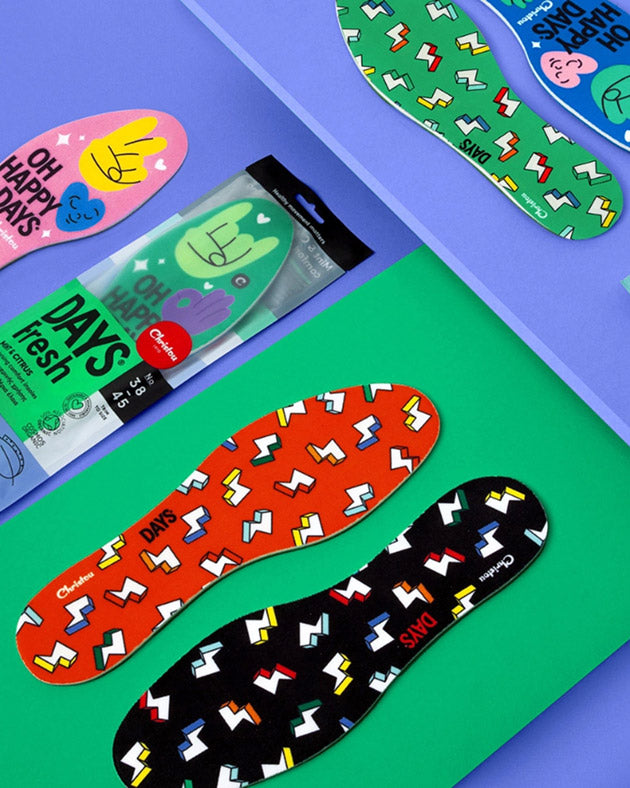
The DAYS Comfy orthotic insoles from Christou 1910 are specially designed to provide optimal support and comfort to children's foot arches. They help them walk correctly, run with stability and balanced strength in their soles without the risk of injury. Whatever activity they do, DAYS Comfy orthotic insoles hug every point of their sole, protect their heel from shocks, and provide incredible comfort with every movement.
Treatment of flat feet in children
Depending on the cause of the flat feet and the symptoms presented, the doctor determines which treatment is most appropriate. Most often, treatments work best in combination, depending on the child's age. In many cases, flexible flat feet do not require special treatment as they often resolve on their own as the child grows and develops. However, if flat feet hinder the child's daily life or do not improve over time, there are various interventions that can help:
Monitoring of flat feet: Pediatricians often adopt a "watch and wait" approach to monitor the progress of flexible flat feet in children. This approach allows time for the child's musculoskeletal system to develop normally.
Stretching exercises: The doctor may recommend specific stretching exercises to improve the range of motion of the muscles in the area and reduce pressure on the joints.
Physiotherapy: Recommended for flexibility of the foot joints, to relieve possible symptoms and to promote normal development of the foot arch.
Footwear: Choosing the right shoes is important for everyone's foot health. Children with flat feet need specially designed shoes to provide proper arch and foot arch support.
Orthotic insoles: Orthotic insoles can provide additional arch support, offering comfort during walking without discomfort during walking, playing, or other daily activities.
Weight management: If obesity is a contributing factor to flat feet, maintaining a healthy weight through a balanced diet and regular physical activity helps reduce pressure on the feet and soles.
Surgery: In rare cases of rigid flat feet that do not respond to any other treatment, surgery may be considered to restore the anatomical damage in the affected area, as the child is at risk of developing arthritis and permanent joint changes.
Christou 1910 Orthotic Insoles : Benefits of their use
The DAYS Comfy orthotic insoles from Christou 1910 are specially designed to provide optimal support and comfort to children's foot arches. They help them walk correctly, run with stability and balanced strength in their soles without the risk of injury. Whatever activity they do, DAYS Comfy orthotic insoles hug every point of their sole, protect their heel from shocks, and provide incredible comfort with every movement.
 More specifically, the benefits of using them in children's shoes on a daily basis are the following:
Common symptoms of flat feet
Most often, a child with flat feet does not show symptoms beyond the recognizable appearance of the sole of the foot. In this case, the condition is considered asymptomatic. Children with symptomatic flat feet may experience one or more of the following symptoms:
- Outward tilting of the heel
- Clumsiness when walking
- Difficulty moving the foot sideways or up and down
- Feeling of pain or tenderness anywhere from the sole to the knee
- Pain or difficulty walking with shoes
- Avoidance of physical activities
Treatment of flat feet in children
Depending on the cause of the flat feet and the symptoms presented, the doctor determines which treatment is most appropriate. Most often, treatments work best in combination, depending on the child's age. In many cases, flexible flat feet do not require special treatment as they often resolve on their own as the child grows and develops. However, if flat feet hinder the child's daily life or do not improve over time, there are various interventions that can help:
Monitoring of flat feet: Pediatricians often adopt a "watch and wait" approach to monitor the progress of flexible flat feet in children. This approach allows time for the child's musculoskeletal system to develop normally.
Stretching exercises: The doctor may recommend specific stretching exercises to improve the range of motion of the muscles in the area and reduce pressure on the joints.
Physiotherapy: Recommended for flexibility of the foot joints, to relieve possible symptoms and to promote normal development of the foot arch.
Footwear: Choosing the right shoes is important for everyone's foot health. Children with flat feet need specially designed shoes to provide proper arch and foot arch support.
Orthotic insoles: Orthotic insoles can provide additional arch support, offering comfort during walking without discomfort during walking, playing, or other daily activities.
Weight management: If obesity is a contributing factor to flat feet, maintaining a healthy weight through a balanced diet and regular physical activity helps reduce pressure on the feet and soles.
Surgery: In rare cases of rigid flat feet that do not respond to any other treatment, surgery may be considered to restore the anatomical damage in the affected area, as the child is at risk of developing arthritis and permanent joint changes.
Christou 1910 Orthotic Insoles : Benefits of their use
The DAYS Comfy orthotic insoles from Christou 1910 are specially designed to provide optimal support and comfort to children's foot arches. They help them walk correctly, run with stability and balanced strength in their soles without the risk of injury. Whatever activity they do, DAYS Comfy orthotic insoles hug every point of their sole, protect their heel from shocks, and provide incredible comfort with every movement.
More specifically, the benefits of using them in children's shoes on a daily basis are the following:
- Proper arch support, which helps relieve foot discomfort and promote healthy foot development.
- Comfort of movement from shock absorption due to the high-quality materials used in DAYS Comfy.
- Corrective properties during walking due to the proper distribution of pressure on the sole. This helps distribute weight evenly and prevent strain and discomfort.
- can benefit from arch support and sole protection in all aspects of their daily activities.


